What London’s cultural expansion says about a sector in crisis
Just weeks after a government watchdog warned that many of the UK's leading museums are financially fragile, the Victoria and Albert Museum is preparing to open a major new site in East London.
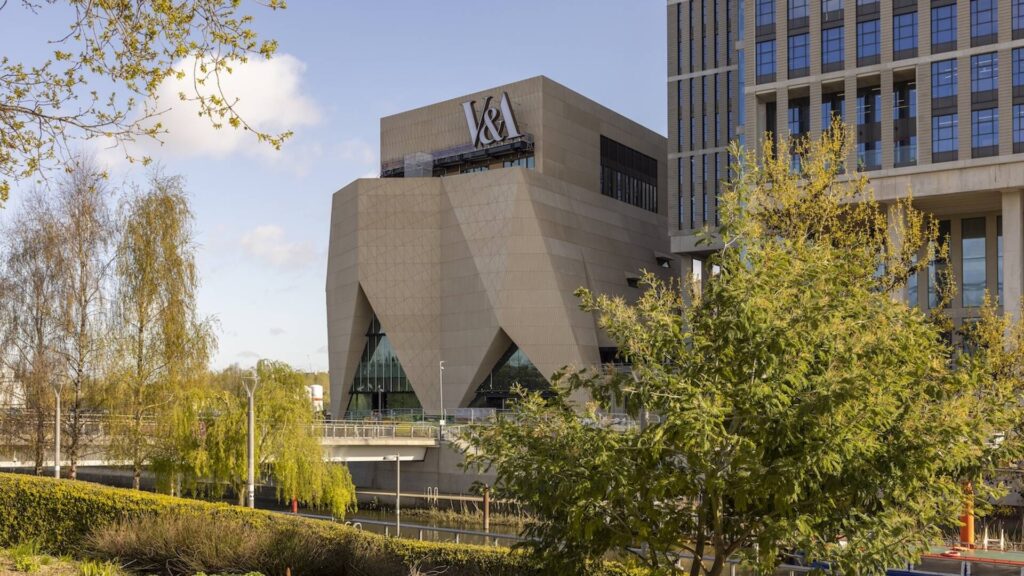
V&A East is set to open on April 18th as part of a major cultural redevelopment (Image Credit: Peter Kelleher Victoria & Albert Museum, London)
SHARE:
With the new V&A East opening on April 18th, the timing has raised a broader question about why cultural expansion is continuing while many institutions face financial pressure.
A report from the National Audit Office (NAO) into the “financial resilience” of state-funded museums has set out the scale of financial challenges facing the sector. It found that more than half of major institutions said they were in a worse financial position in 2025 than they had been three years earlier, despite significant efforts to generate their own income.
Those efforts, ranging from venue hire to retail and ticketed exhibitions, have limits. According to the NAO, such income streams are “riskier” and “can only go so far” in offsetting rising costs and declining public funding.
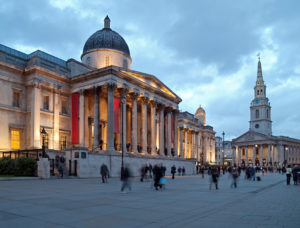
The National Gallery faces an £8.2m deficit and is cutting staff (Image credit: National Gallery)
When cutbacks meet expansion
The National Gallery is among the institutions facing acute financial pressure. The institution is facing a projected deficit of £8.2m and has begun restructuring, including a voluntary exit scheme for staff and the possibility of compulsory redundancies.
A representative from the gallery told City News that it had reached “a point where we must make difficult and painful decisions”, citing rising operational costs and commercial pressures.
Noel McClean, of the Prospect Union, warned that the situation was not unique. “That a major gallery is in such a dire financial position shows just how difficult things are in the sector,” he said, adding that funding levels were “nowhere near sufficient”.
The report indicates that many of these issues are structural rather than temporary. Visitor numbers remain below pre-pandemic levels, while costs, particularly for staffing, energy and maintenance, have risen sharply. Museums are increasingly reliant on self-generated income, which tends to fluctuate with the wider economy.
Why is it easier to build than to run?
And yet, on April 18th, the V&A will open its vast new outpost in Stratford. V&A East is the centrepiece of a wider cultural redevelopment, backed by millions in investment and hailed by supporters as a way to expand access, attract new audiences and cement London’s status as a global cultural hub.
To those working in cash-strapped museums, however, it illustrates a long-standing and frustrating reality: it is far easier to raise millions for a glittering new building than to secure the steady, unglamorous funding required to keep the lights on in the old ones.
Tony Butler, executive director of Derby Museums, highlighted this dynamic in the Museums Association journal, noting:
“It’s hardly a secret that many organisations use the ‘spill’ from capital programmes to support capacity that would have otherwise been maintained from unrestricted revenue funds” .
That distinction is already visible at the National Gallery, which has secured hundreds of millions of pounds in donations for future expansion even as it cuts staff to manage immediate financial shortfalls. This has led to a situation where some institutions are expanding their estates while reducing costs elsewhere.
Regeneration or gentrification?
There is also a more localised question about the impact of such projects. Stratford has undergone rapid transformation over the past decade, driven by the legacy of the 2012 Olympics and ongoing development across east London. New cultural institutions form a key part of that regeneration strategy.
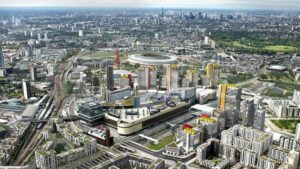
Regeneration or gentrification? The new high-rises shadowing Stratford’s cultural quarter. (Credit: Archant)
Supporters argue that projects like V&A East bring investment, jobs and educational opportunities to communities historically underserved by major cultural institutions. However, the relationship between culture-led regeneration and gentrification remains contested.
Cultural infrastructure can raise property values, attract higher-income residents and reshape local economies – often faster than existing communities can adapt. In that sense, new museums are not just cultural projects but economic actors. Some suggest the risk is that they serve visitors and incoming populations more than long-term residents.
Will free access survive?
The NAO report does not address this directly, but its findings add another layer to the debate. If existing institutions are already struggling to maintain free access and core services, the long-term sustainability of new ones becomes a legitimate concern.
There are broader implications for public access to culture. Financial strain is prompting difficult conversations about ticket pricing, programming and staffing levels. Some institutions are reducing exhibitions or considering higher charges, potentially eroding the principle of free entry that has defined UK national museums for decades.
At the same time, the government continues to rely on museums to deliver soft power, tourism revenue and educational value. In 2024-25 alone, Department for Culture, Media and Sport-sponsored museums attracted 42 million visitors and held collections valued at nearly £9bn.
The contradiction is clear: museums are expected to do more with less.
The opening of a major new flagship in Stratford will no doubt be celebrated as a sign of cultural ambition. But it also raises questions for policymakers about long-term sustainability. Is the UK building a sustainable cultural ecosystem, or simply expanding one that is already under strain?
As one National Gallery spokesperson put it:
“We must balance our artistic and educational mission with a new operating structure”.
For many in the sector, that balance is becoming harder to achieve.
Submitted Article
Headline
Short Headline
Standfirst
Published Article
HeadlineWhat London’s cultural expansion says about a sector in crisis
Short HeadlineLondon museums face funding contradiction
StandfirstJust weeks after a government watchdog warned that many of the UK's leading museums are financially fragile, the Victoria and Albert Museum is preparing to open a major new site in East London.
With the new V&A East opening on April 18th, the timing has raised a broader question about why cultural expansion is continuing while many institutions face financial pressure.
A report from the National Audit Office (NAO) into the “financial resilience” of state-funded museums has set out the scale of financial challenges facing the sector. It found that more than half of major institutions said they were in a worse financial position in 2025 than they had been three years earlier, despite significant efforts to generate their own income.
Those efforts, ranging from venue hire to retail and ticketed exhibitions, have limits. According to the NAO, such income streams are “riskier” and “can only go so far” in offsetting rising costs and declining public funding.
The National Gallery faces an £8.2m deficit and is cutting staff (Image credit: National Gallery)
When cutbacks meet expansion
The National Gallery is among the institutions facing acute financial pressure. The institution is facing a projected deficit of £8.2m and has begun restructuring, including a voluntary exit scheme for staff and the possibility of compulsory redundancies.
A representative from the gallery told City News that it had reached “a point where we must make difficult and painful decisions”, citing rising operational costs and commercial pressures.
Noel McClean, of the Prospect Union, warned that the situation was not unique. “That a major gallery is in such a dire financial position shows just how difficult things are in the sector,” he said, adding that funding levels were “nowhere near sufficient”.
The report indicates that many of these issues are structural rather than temporary. Visitor numbers remain below pre-pandemic levels, while costs, particularly for staffing, energy and maintenance, have risen sharply. Museums are increasingly reliant on self-generated income, which tends to fluctuate with the wider economy.
Why is it easier to build than to run?
And yet, on April 18th, the V&A will open its vast new outpost in Stratford. V&A East is the centrepiece of a wider cultural redevelopment, backed by millions in investment and hailed by supporters as a way to expand access, attract new audiences and cement London’s status as a global cultural hub.
To those working in cash-strapped museums, however, it illustrates a long-standing and frustrating reality: it is far easier to raise millions for a glittering new building than to secure the steady, unglamorous funding required to keep the lights on in the old ones.
Tony Butler, executive director of Derby Museums, highlighted this dynamic in the Museums Association journal, noting:
“It’s hardly a secret that many organisations use the ‘spill’ from capital programmes to support capacity that would have otherwise been maintained from unrestricted revenue funds” .
That distinction is already visible at the National Gallery, which has secured hundreds of millions of pounds in donations for future expansion even as it cuts staff to manage immediate financial shortfalls. This has led to a situation where some institutions are expanding their estates while reducing costs elsewhere.
Regeneration or gentrification?
There is also a more localised question about the impact of such projects. Stratford has undergone rapid transformation over the past decade, driven by the legacy of the 2012 Olympics and ongoing development across east London. New cultural institutions form a key part of that regeneration strategy.
Regeneration or gentrification? The new high-rises shadowing Stratford’s cultural quarter. (Credit: Archant)
Supporters argue that projects like V&A East bring investment, jobs and educational opportunities to communities historically underserved by major cultural institutions. However, the relationship between culture-led regeneration and gentrification remains contested.
Cultural infrastructure can raise property values, attract higher-income residents and reshape local economies – often faster than existing communities can adapt. In that sense, new museums are not just cultural projects but economic actors. Some suggest the risk is that they serve visitors and incoming populations more than long-term residents.
Will free access survive?
The NAO report does not address this directly, but its findings add another layer to the debate. If existing institutions are already struggling to maintain free access and core services, the long-term sustainability of new ones becomes a legitimate concern.
There are broader implications for public access to culture. Financial strain is prompting difficult conversations about ticket pricing, programming and staffing levels. Some institutions are reducing exhibitions or considering higher charges, potentially eroding the principle of free entry that has defined UK national museums for decades.
At the same time, the government continues to rely on museums to deliver soft power, tourism revenue and educational value. In 2024-25 alone, Department for Culture, Media and Sport-sponsored museums attracted 42 million visitors and held collections valued at nearly £9bn.
The contradiction is clear: museums are expected to do more with less.
The opening of a major new flagship in Stratford will no doubt be celebrated as a sign of cultural ambition. But it also raises questions for policymakers about long-term sustainability. Is the UK building a sustainable cultural ecosystem, or simply expanding one that is already under strain?
As one National Gallery spokesperson put it:
“We must balance our artistic and educational mission with a new operating structure”.
For many in the sector, that balance is becoming harder to achieve.
As the weather turns, City News has spoken to a long-term rough sleeper to see how those on the street feel about Andy Burnham’s plan to end homelessness and the upcoming winter.