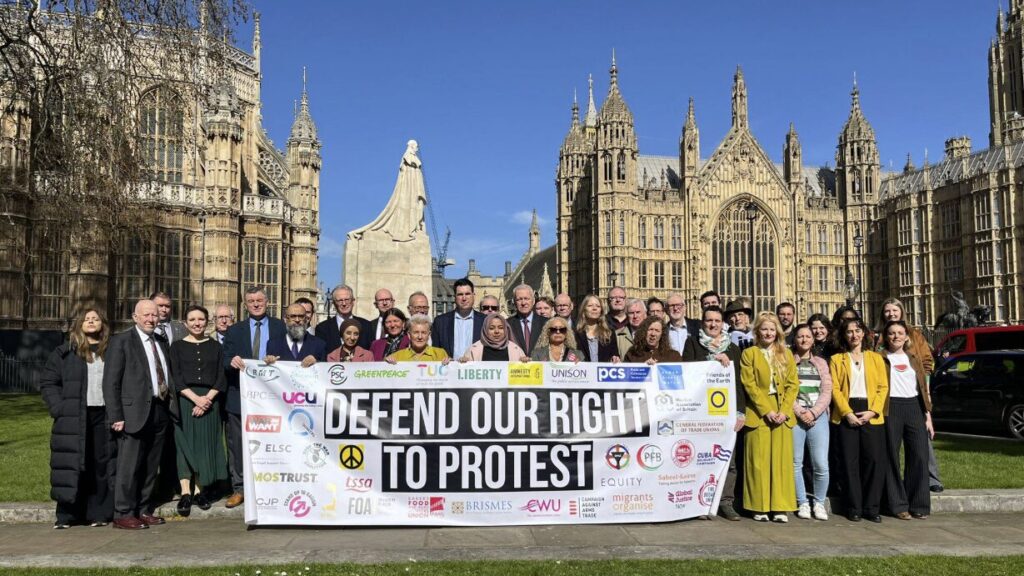
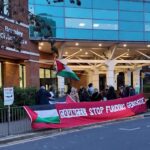
A coalition of activist groups including Unison, Greenpeace, and the Palestine Solidarity Campaign, rallied this week in opposition to government measures to limit protest rights.
Civil society organisations met in Westminster on Tuesday, with members seeking to discuss the issue with their local MPs, mobilising against government efforts to limit ‘repeat protests’.
Will McCallum, co-executive director of Greenpeace UK, believes “protest works because it is repetitive”.
In his view: “Police are already swimming in powers to shut down protests and lock activists away for years. The steady rise in protesters being arrested and served long prison sentences is proof of that.”
Stricter legislation
Provisions in the Crime and Policing Bill include powers to ban protests if they cause “serious disruption to the life of a community.”
For the groups lobbying against these powers, this is too broad of a measure.
Credit: AP
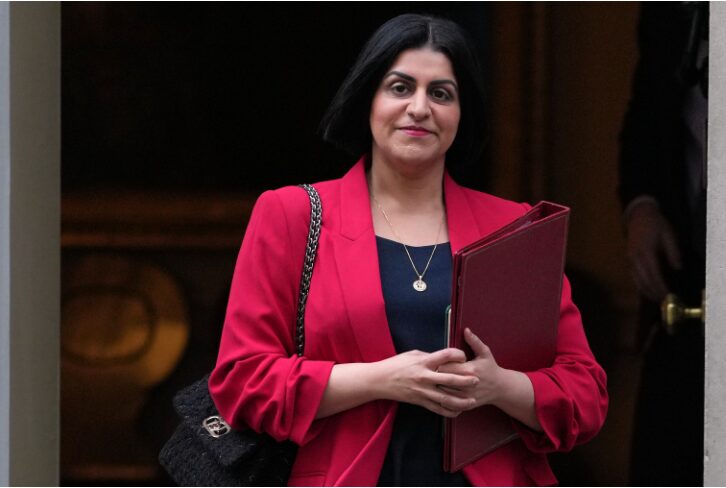
Home Secretary Shabana Mahmood justified the month-long ban on demonstrations relating to Al Quds Day by raising concerns of public disorder on either side of the protest.
Mahmood expected “to see the full force of the law applied to anyone spreading hatred and division” with reference to protesters deemed supportive of the Iranian regime.
Policing strategies
Graham Wettone, who worked in the Met for over thirty years and was on the front-line of riots in the 1980s, tells City News that public order policing has been transformed.
“Recordings of police actions at public protests are far more accessible than when I was policing… I think it’s made the police reluctant to police the way we did.”
Credit: AP
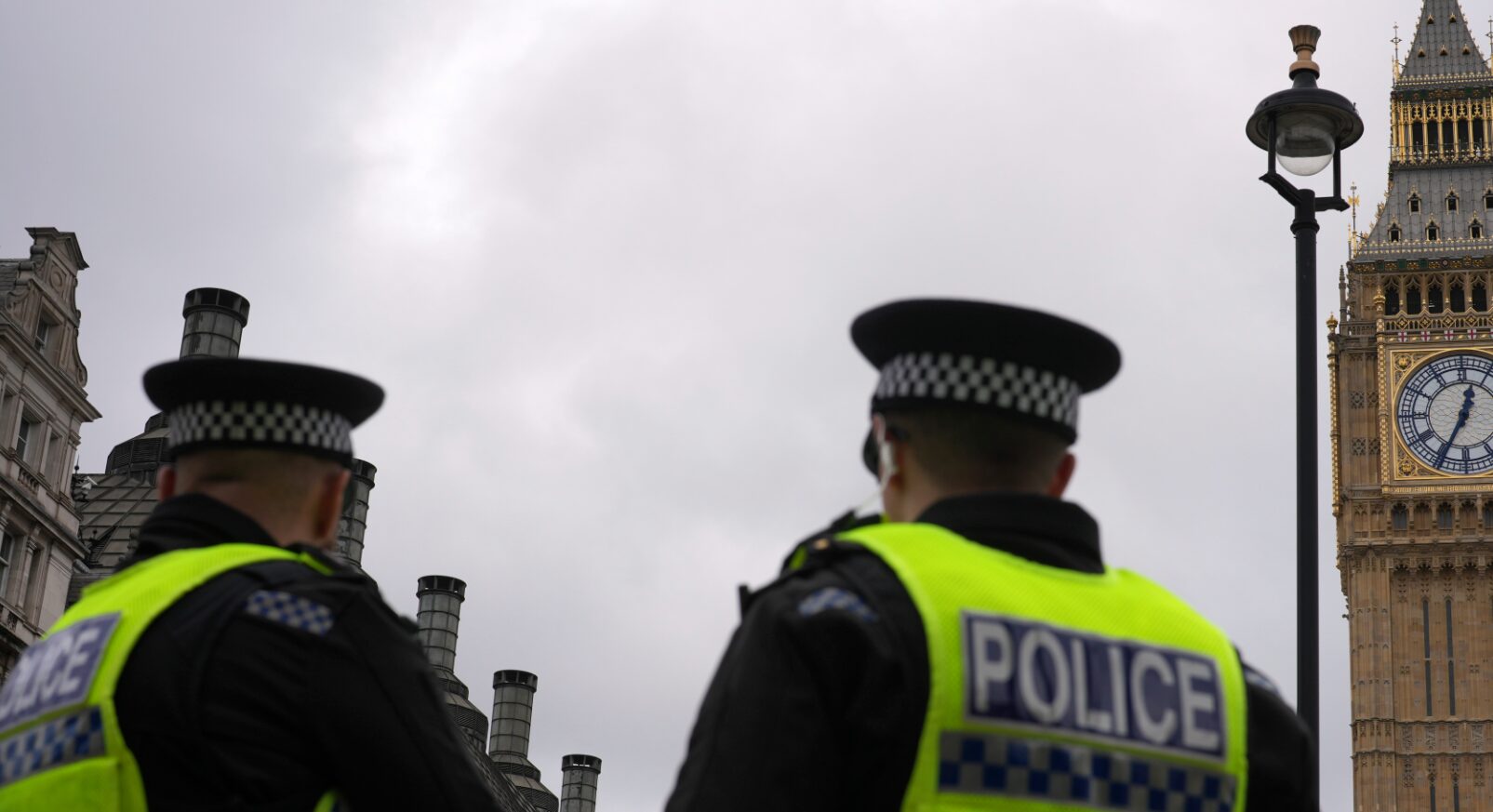
In dealing with the Al Quds Day demonstrations, police forces separated protesters and counter-protesters on either side of the Thames.
“We’ve used that before,” claims Wettone. “What the police cannot do is prohibit an assembly.”
“We need to be able to facilitate reasonable protest, freedom of expression et cetera, but I think the police do need some additional powers” Wetton says.
Static protests
Al Quds Day protesters avoided the restrictions by holding a static protest instead of marching from the Home Office to Downing Street as originally planned.
Police still made 12 arrests for support for a proscribed organisation and threatening or abusive behaviour.
“Death to the IDF” chants at the protest led by controversial musician Bob Vylan have reignited a police investigation.
According to the Met:
“Hateful chanting or waving of offensive flags may constitute an offence and where behaviour goes beyond lawful protest we will not hesitate to prosecute.”
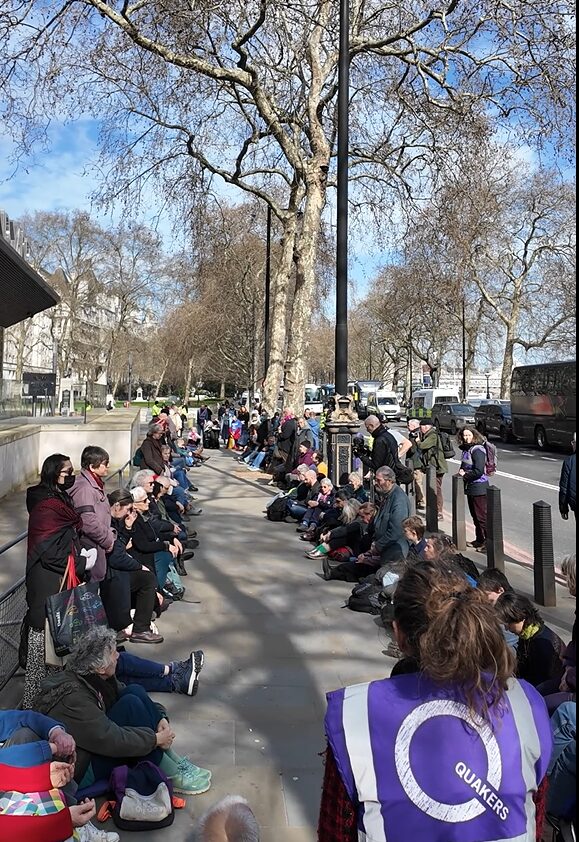
Quakers in Britain also took part in Tuesday’s lobby, holding a worship meeting outside New Scotland Yard after the Met raided Westminster Quaker Meeting House and made 15 arrests.
“We feel that it’s a civil liberties issue,” says Phil Laurie, a campaigner leading the meeting. “It’s our civil rights to prepare, and to protest.”
“We’re here to show that we’re not scared and we won’t stop doing it.”
The Quaker demonstration was also stationary, with members sitting in silence for an hour as Met officers watched from above.
Laurie is adamant restrictions on protests should be resisted.
“It takes a lot of bravery to go out and risk arrest, but people are standing up to the bans” he says.
Protests led by the same groups will persist in London for the rest of the month.
The Home Office said: “These measures will ensure that police can better balance the rights of protesters against the rights of others to go about their daily business without disruption or alarm.”
Submitted Article
Headline
Short Headline
Standfirst
Published Article
Headline‘It’s a civil liberties issue’: activists oppose protest clamp down
Short HeadlineActivists oppose protest clamp down
StandfirstCampaigners join forces to defend the right to protest
A coalition of activist groups including Unison, Greenpeace, and the Palestine Solidarity Campaign, rallied this week in opposition to government measures to limit protest rights.
Civil society organisations met in Westminster on Tuesday, with members seeking to discuss the issue with their local MPs, mobilising against government efforts to limit ‘repeat protests’.
Will McCallum, co-executive director of Greenpeace UK, believes “protest works because it is repetitive”.
In his view: “Police are already swimming in powers to shut down protests and lock activists away for years. The steady rise in protesters being arrested and served long prison sentences is proof of that.”
Stricter legislation
Provisions in the Crime and Policing Bill include powers to ban protests if they cause “serious disruption to the life of a community.”
For the groups lobbying against these powers, this is too broad of a measure.
Credit: AP
Home Secretary Shabana Mahmood justified the month-long ban on demonstrations relating to Al Quds Day by raising concerns of public disorder on either side of the protest.
Mahmood expected “to see the full force of the law applied to anyone spreading hatred and division” with reference to protesters deemed supportive of the Iranian regime.
Policing strategies
Graham Wettone, who worked in the Met for over thirty years and was on the front-line of riots in the 1980s, tells City News that public order policing has been transformed.
“Recordings of police actions at public protests are far more accessible than when I was policing… I think it’s made the police reluctant to police the way we did.”
Credit: AP
In dealing with the Al Quds Day demonstrations, police forces separated protesters and counter-protesters on either side of the Thames.
“We’ve used that before,” claims Wettone. “What the police cannot do is prohibit an assembly.”
“We need to be able to facilitate reasonable protest, freedom of expression et cetera, but I think the police do need some additional powers” Wetton says.
Static protests
Al Quds Day protesters avoided the restrictions by holding a static protest instead of marching from the Home Office to Downing Street as originally planned.
Police still made 12 arrests for support for a proscribed organisation and threatening or abusive behaviour.
“Death to the IDF” chants at the protest led by controversial musician Bob Vylan have reignited a police investigation.
According to the Met:
“Hateful chanting or waving of offensive flags may constitute an offence and where behaviour goes beyond lawful protest we will not hesitate to prosecute.”
Quakers in Britain also took part in Tuesday’s lobby, holding a worship meeting outside New Scotland Yard after the Met raided Westminster Quaker Meeting House and made 15 arrests.
“We feel that it’s a civil liberties issue,” says Phil Laurie, a campaigner leading the meeting. “It’s our civil rights to prepare, and to protest.”
“We’re here to show that we’re not scared and we won’t stop doing it.”
The Quaker demonstration was also stationary, with members sitting in silence for an hour as Met officers watched from above.
Laurie is adamant restrictions on protests should be resisted.
“It takes a lot of bravery to go out and risk arrest, but people are standing up to the bans” he says.
Protests led by the same groups will persist in London for the rest of the month.
The Home Office said: “These measures will ensure that police can better balance the rights of protesters against the rights of others to go about their daily business without disruption or alarm.”
A 2024 Freedom of Information request showed Bromley Council had £4.5 million invested in arms companies that year with £1.5 million reportedly linked to Israel.
Undercover officers raided three linked shops in Barking town centre, revealing how illicit tobacco is being hidden in walls, ceilings and nearby locations to evade detection.
More than 330,000 people across the UK sought support from the Stop It Now helpline in 2025 over concerns about their own or someone else’s online sexual behaviour towards children, according to new charity data. The anonymous service says contacts by phone, email and webchat rose significantly over the year.