Hay fever cases have trebled in the UK over the last 20 years, with London one of the worst affected areas.
A London professor has told City News that development across the capital is driving longer, and more intense pollen seasons – with climate change and pollution also leading causes.
Hay fever tends to peak between March and July, with tree pollen first to appear in the spring, followed by grass pollen during the summer.
But some studies have shown the pollen season is extending further.
Last month, London experienced higher than usual levels of pollen following a period of uncharacteristically warm weather across the capital.
What are the causes?
Professor George Du Toit, who works at London’s Allergy Centre of Excellence, explains that one of the main roots of the problem is the type of trees planted by urban planners.
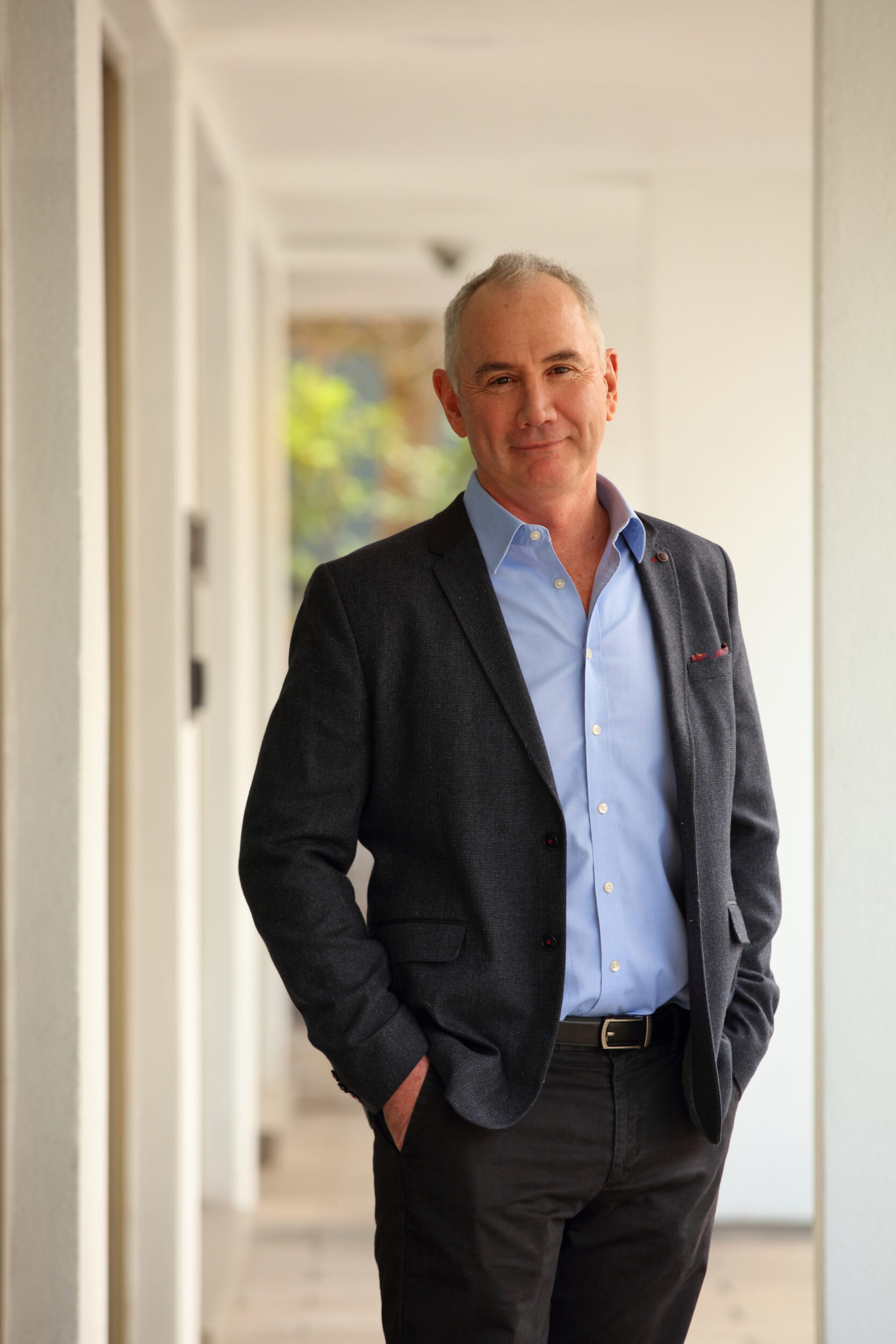
For over two decades, Professor Du Toit has helped patients with the treatment and management of allergies. CREDIT: AP
Professor Du Toit told City News:
“City planners have planted male trees that pollinate a lot, as opposed to female, fruit-bearing trees that are messy but pollinate less.”
The high presence of the Silver Birch tree, for example, which is a highly allergenic male species, is wreaking havoc on some Londoners.
Professor Du Toit highlights the “synergy between pollution and pollen.”
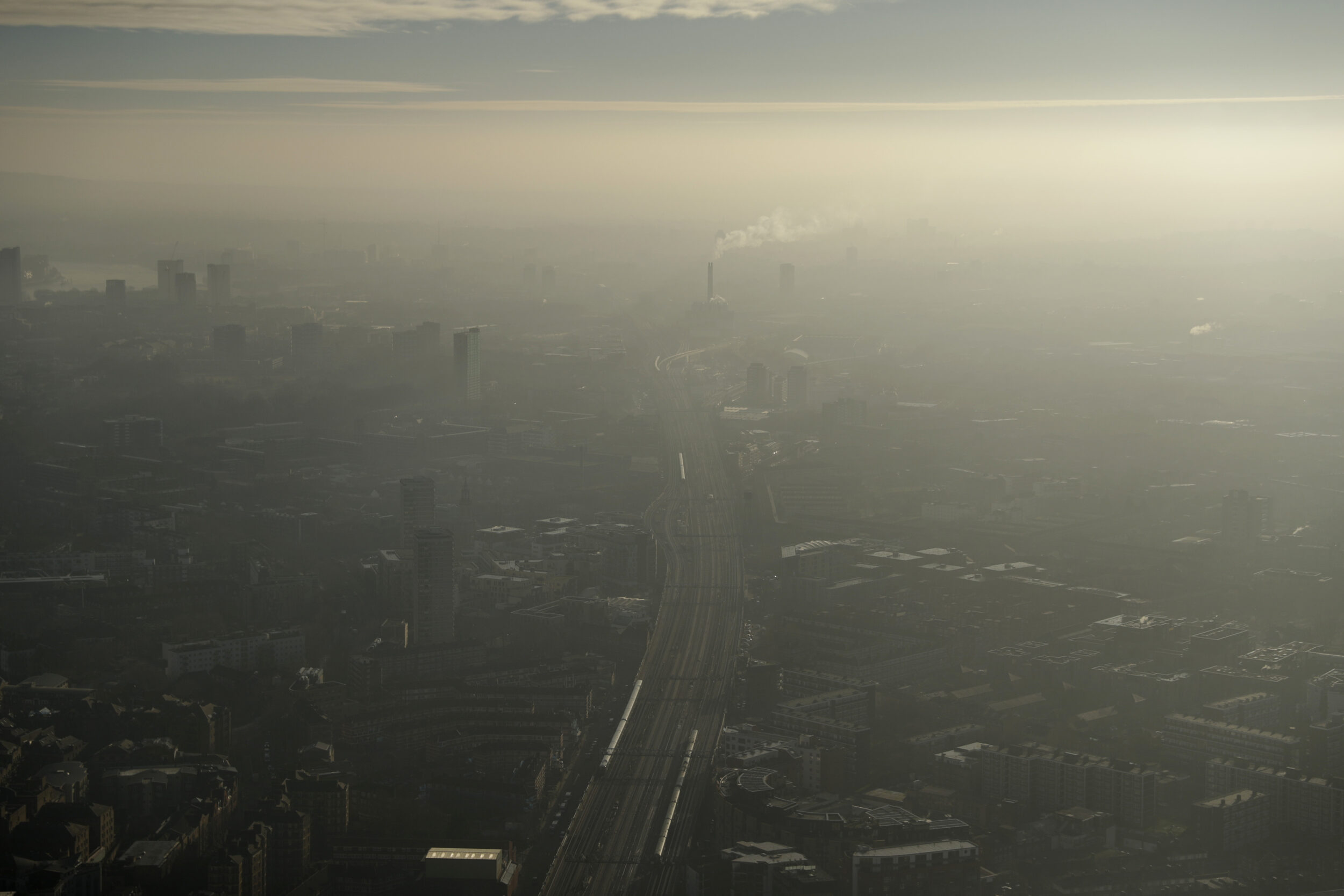
London is the 10th most polluted city in the world, but the situation has improved following the expansion of London’s ultra-low emission zones (ULEZ). Credit: AP
In isolation, pollution acts as an irritant for hay fever sufferers. Its relationship with climate change is also damaging to those with seasonal allergies.
Professor Du Toit describes the relationship between the ‘urban heat island effect’ and Londoners struggling with hay fever symptoms.
“Cities are warmer than the countryside and this encourages pollination… you get high-rise buildings that trap air and give rise to street canyons of heat.”
Professor Du Toit notes the impact of hay fever on sleep. “People are restricted because they have troublesome symptoms, they’re not sleeping well, they don’t want to be out and about as much as they otherwise could be… it has a large impact on quality of life and wellbeing.”
Additionally, a study from the Journal of Epidemiology and Community Health found high pollen levels caused a “statistically significant decline” in student exam results.
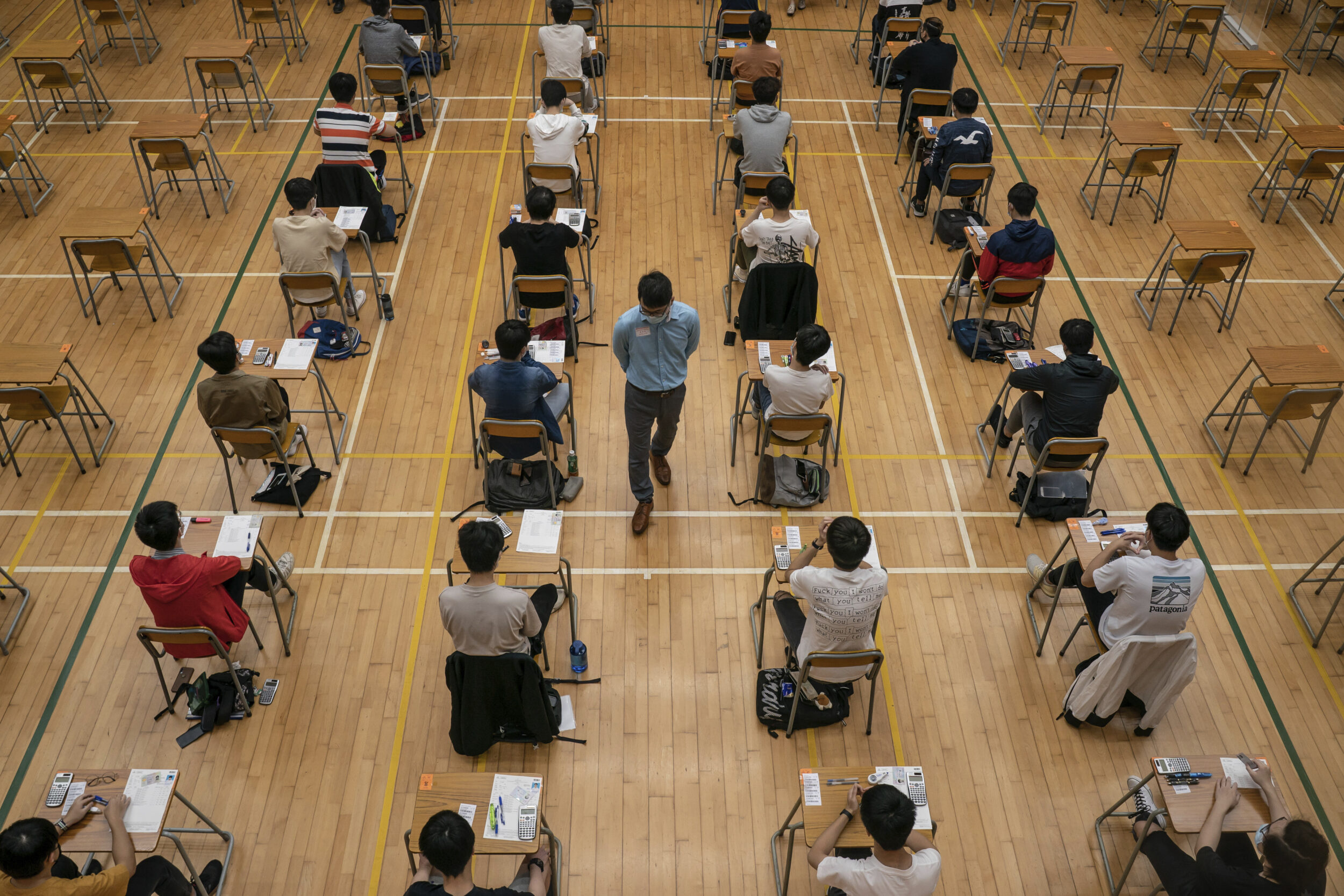
Studies have indicated a 40 per cent likelihood in dropping a grade for Hay Fever sufferers. CREDIT: AP.
It can also damage people’s relationship with food.
“You don’t appreciate food as much because your nose is blocked so it’s like eating with a head cold.”
Secondary allergies often develop alongside hay fever, leading to “people becoming fussier and fussier during the pollen season,” Professor Du Toit continues.
They predict that trees will become stressed due to an “increased severity and frequency of heat and drought”, leading to a reduction in pollen output.
HeadlineHas your hay fever taken a turn for the worse? London expert explains all
Short HeadlineHay fever frenzy in London
Standfirst2025 was the UK's warmest year on record, with rising temperatures contributing to longer and stronger pollen seasons.
Hay fever cases have trebled in the UK over the last 20 years, with London one of the worst affected areas.
A London professor has told City News that development across the capital is driving longer, and more intense pollen seasons – with climate change and pollution also leading causes.
Hay fever tends to peak between March and July, with tree pollen first to appear in the spring, followed by grass pollen during the summer.
But some studies have shown the pollen season is extending further.
Last month, London experienced higher than usual levels of pollen following a period of uncharacteristically warm weather across the capital.
What are the causes?
Professor George Du Toit, who works at London’s Allergy Centre of Excellence, explains that one of the main roots of the problem is the type of trees planted by urban planners.
For over two decades, Professor Du Toit has helped patients with the treatment and management of allergies. CREDIT: AP
Professor Du Toit told City News:
“City planners have planted male trees that pollinate a lot, as opposed to female, fruit-bearing trees that are messy but pollinate less.”
The high presence of the Silver Birch tree, for example, which is a highly allergenic male species, is wreaking havoc on some Londoners.
Professor Du Toit highlights the “synergy between pollution and pollen.”
London is the 10th most polluted city in the world, but the situation has improved following the expansion of London’s ultra-low emission zones (ULEZ). Credit: AP
In isolation, pollution acts as an irritant for hay fever sufferers. Its relationship with climate change is also damaging to those with seasonal allergies.
Professor Du Toit describes the relationship between the ‘urban heat island effect’ and Londoners struggling with hay fever symptoms.
“Cities are warmer than the countryside and this encourages pollination… you get high-rise buildings that trap air and give rise to street canyons of heat.”
Professor Du Toit notes the impact of hay fever on sleep. “People are restricted because they have troublesome symptoms, they’re not sleeping well, they don’t want to be out and about as much as they otherwise could be… it has a large impact on quality of life and wellbeing.”
Additionally, a study from the Journal of Epidemiology and Community Health found high pollen levels caused a “statistically significant decline” in student exam results.
Studies have indicated a 40 per cent likelihood in dropping a grade for Hay Fever sufferers. CREDIT: AP.
It can also damage people’s relationship with food.
“You don’t appreciate food as much because your nose is blocked so it’s like eating with a head cold.”
Secondary allergies often develop alongside hay fever, leading to “people becoming fussier and fussier during the pollen season,” Professor Du Toit continues.
They predict that trees will become stressed due to an “increased severity and frequency of heat and drought”, leading to a reduction in pollen output.
A 2024 Freedom of Information request showed Bromley Council had £4.5 million invested in arms companies that year with £1.5 million reportedly linked to Israel.
Undercover officers raided three linked shops in Barking town centre, revealing how illicit tobacco is being hidden in walls, ceilings and nearby locations to evade detection.
More than 330,000 people across the UK sought support from the Stop It Now helpline in 2025 over concerns about their own or someone else’s online sexual behaviour towards children, according to new charity data. The anonymous service says contacts by phone, email and webchat rose significantly over the year.