Seal of approval? Wildlife returns to the Thames, but health of river still uncertain
Seals and other wildlife are returning to the River Thames after decades of recovery efforts, but experts warn pollution and climate pressures continue to threaten the river’s long-term health.
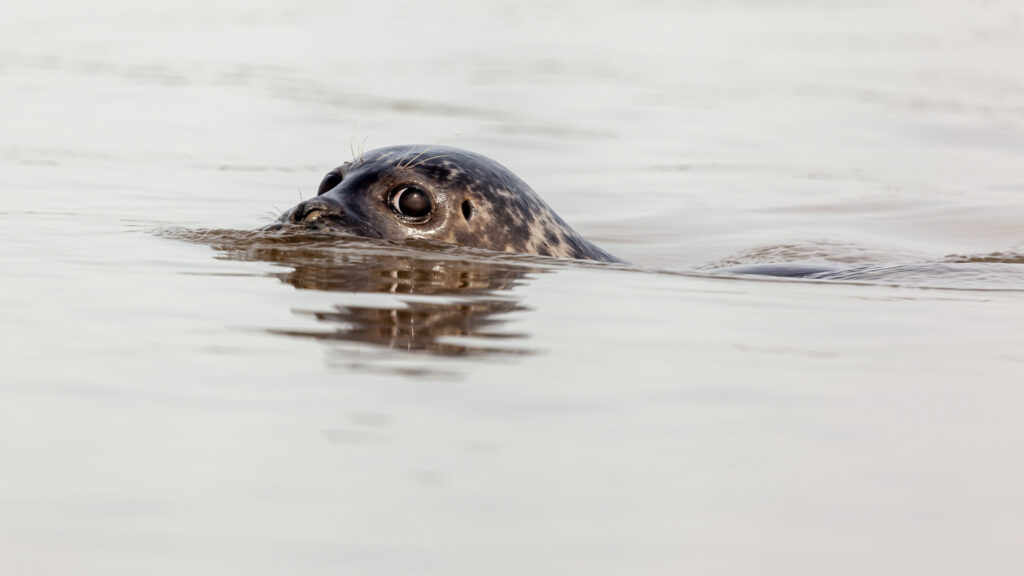
Seals have been spotted in central London as wildlife continues to return to the River Thames, signalling ongoing ecological recovery after decades of environmental decline.
The river now supports more than 100 species of fish, according to the Zoological Society of London (ZSL), while the Thames Estuary is home to around 3,000 harbour seals and 4,000 grey seals.
The resurgence follows sustained efforts to improve water quality after parts of the Thames were declared “biologically dead” in the 1950s due to industrial pollution.
However, experts warn that despite visible improvements,
A river showing signs of life
Recent seal sightings near Southwark have drawn attention from residents and conservation groups, with some appearing unusually close to central areas of the capital.
Jenny Morgan, from Southwark Nature Action, said such sightings were encouraging, though not entirely unexpected:
“there have been sightings before so I wasn’t surprised. Glad, however”
The return of species such as seals is widely seen as an indicator of improving biodiversity, supported by a gradual increase in fish populations and birdlife along the river.
ZSL said this recovery reflects decades of tighter environmental regulation, improved wastewater treatment and conservation efforts.
But it cautioned that progress should not be overstated.
“We still have a long way to go in terms of improving water quality and making space for nature”.
Pollution still a major threat
Despite improvements, sewage pollution continues to affect the Thames and other UK rivers.
According to the Environment Agency, Combined Sewer Overflows (CSOs) release untreated sewage into waterways during periods of heavy rainfall, when drainage systems are unable to cope with increased demand.
These discharges remain a significant source of pollution, particularly in urban areas.
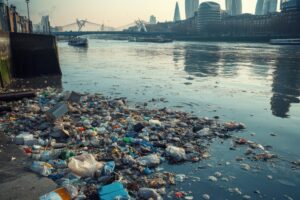
Pollution in the Thames, including visible litter, continues to threaten wildlife despite signs of recovery. Credit: Adobe Stock
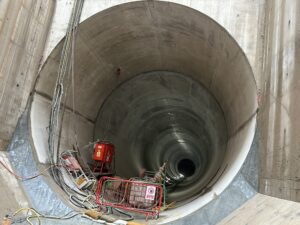
The Tideway Tunnel, a major infrastructure project running beneath London launched in 2016, is designed to reduce sewage spills into the Thames by up to 95% once fully operational.
The Thames Tideway Tunnel is part of a major effort to clean up the capital’s waterway. Credit: Wikimedia Commons
Environmental charity Thames21 told City News the river has seen improvements in some areas, including reductions in chemicals, heavy metals and oils, but added that water quality issues persist.
Climate change adds new strain
Experts say climate change is adding further strain on the river system.
Liz Gyekye, from Thames21, said both drought and flooding pose increasing risks.
“The river will really need to be resilient to cope with these changes”
Lower water levels during prolonged dry periods can concentrate pollutants, reducing water quality and affecting wildlife.
In contrast, heavier rainfall can overwhelm sewer systems, leading to more frequent discharges.
Rising temperatures are also expected to reduce oxygen levels in the water, placing additional stress on fish and other aquatic species, according to the Environment Agency.
A sponge city?
Campaigners are calling for changes to how rainfall and urban water systems are managed in cities like London.
Thames21 is among several organisations promoting a “sponge city” approach, which involves using green spaces, wetlands and permeable surfaces to absorb and slow rainwater before it enters drainage systems.
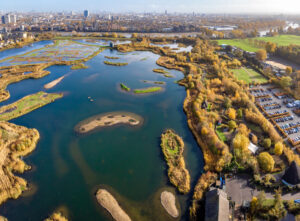
London wetlands play a key role in “sponge city” plans to reduce flooding and protect the Thames. Credit: Adobe Stock
They say this could help reduce flood risk, improve water quality and create new habitats for wildlife.
However, physical barriers along the Thames continue to limit ecological recovery.
Large sections of the river are bordered by concrete embankments, which restrict the development of natural habitats such as tidal marshes and shallow edges.
Anna Collingham, from Southwark Nature Action, said restoring more natural riverbanks would help support biodiversity.
“Our group tries to encourage the local authority where we work in Southwark to de-pave as much as possible to restore some functioning of a natural ecosystem”
A fragile recovery
While the return of wildlife is a visible sign of improvement, experts caution that it does not necessarily indicate a fully healthy river.
Wildlife is returning to the River Thames. A sign of progress, experts say, but not a guarantee of long-term health. Credit: Adobe Stock
They say continued action from government, water companies, conservation groups and local communities will be needed to secure long-term progress.
Liz Gyekye says protecting the river will require collective effort:
“It takes everybody to work together, the water companies, governments, river stakeholders, communities, to really work together to work on the solutions that are already there to maintain healthy river systems.”
The return of seals to central London may highlight how far the Thames has come, but its long-term future remains uncertain.
Submitted Article
Headline
Short Headline
Standfirst
Published Article
HeadlineSeal of approval? Wildlife returns to the Thames, but health of river still uncertain
Short HeadlineSeals back in the Thames as pollution concerns linger
StandfirstSeals and other wildlife are returning to the River Thames after decades of recovery efforts, but experts warn pollution and climate pressures continue to threaten the river’s long-term health.
Seals have been spotted in central London as wildlife continues to return to the River Thames, signalling ongoing ecological recovery after decades of environmental decline.
The river now supports more than 100 species of fish, according to the Zoological Society of London (ZSL), while the Thames Estuary is home to around 3,000 harbour seals and 4,000 grey seals.
The resurgence follows sustained efforts to improve water quality after parts of the Thames were declared “biologically dead” in the 1950s due to industrial pollution.
However, experts warn that despite visible improvements,
A river showing signs of life
Recent seal sightings near Southwark have drawn attention from residents and conservation groups, with some appearing unusually close to central areas of the capital.
Jenny Morgan, from Southwark Nature Action, said such sightings were encouraging, though not entirely unexpected:
“there have been sightings before so I wasn’t surprised. Glad, however”
The return of species such as seals is widely seen as an indicator of improving biodiversity, supported by a gradual increase in fish populations and birdlife along the river.
ZSL said this recovery reflects decades of tighter environmental regulation, improved wastewater treatment and conservation efforts.
But it cautioned that progress should not be overstated.
“We still have a long way to go in terms of improving water quality and making space for nature”.
Pollution still a major threat
Despite improvements, sewage pollution continues to affect the Thames and other UK rivers.
According to the Environment Agency, Combined Sewer Overflows (CSOs) release untreated sewage into waterways during periods of heavy rainfall, when drainage systems are unable to cope with increased demand.
These discharges remain a significant source of pollution, particularly in urban areas.
Pollution in the Thames, including visible litter, continues to threaten wildlife despite signs of recovery. Credit: Adobe Stock
The Tideway Tunnel, a major infrastructure project running beneath London launched in 2016, is designed to reduce sewage spills into the Thames by up to 95% once fully operational.
The Thames Tideway Tunnel is part of a major effort to clean up the capital’s waterway. Credit: Wikimedia Commons
Environmental charity Thames21 told City News the river has seen improvements in some areas, including reductions in chemicals, heavy metals and oils, but added that water quality issues persist.
Climate change adds new strain
Experts say climate change is adding further strain on the river system.
Liz Gyekye, from Thames21, said both drought and flooding pose increasing risks.
“The river will really need to be resilient to cope with these changes”
Lower water levels during prolonged dry periods can concentrate pollutants, reducing water quality and affecting wildlife.
In contrast, heavier rainfall can overwhelm sewer systems, leading to more frequent discharges.
Rising temperatures are also expected to reduce oxygen levels in the water, placing additional stress on fish and other aquatic species, according to the Environment Agency.
A sponge city?
Campaigners are calling for changes to how rainfall and urban water systems are managed in cities like London.
Thames21 is among several organisations promoting a “sponge city” approach, which involves using green spaces, wetlands and permeable surfaces to absorb and slow rainwater before it enters drainage systems.
London wetlands play a key role in “sponge city” plans to reduce flooding and protect the Thames. Credit: Adobe Stock
They say this could help reduce flood risk, improve water quality and create new habitats for wildlife.
However, physical barriers along the Thames continue to limit ecological recovery.
Large sections of the river are bordered by concrete embankments, which restrict the development of natural habitats such as tidal marshes and shallow edges.
Anna Collingham, from Southwark Nature Action, said restoring more natural riverbanks would help support biodiversity.
“Our group tries to encourage the local authority where we work in Southwark to de-pave as much as possible to restore some functioning of a natural ecosystem”
A fragile recovery
While the return of wildlife is a visible sign of improvement, experts caution that it does not necessarily indicate a fully healthy river.
Wildlife is returning to the River Thames. A sign of progress, experts say, but not a guarantee of long-term health. Credit: Adobe Stock
They say continued action from government, water companies, conservation groups and local communities will be needed to secure long-term progress.
Liz Gyekye says protecting the river will require collective effort:
“It takes everybody to work together, the water companies, governments, river stakeholders, communities, to really work together to work on the solutions that are already there to maintain healthy river systems.”
The return of seals to central London may highlight how far the Thames has come, but its long-term future remains uncertain.
A 2024 Freedom of Information request showed Bromley Council had £4.5 million invested in arms companies that year with £1.5 million reportedly linked to Israel.
Undercover officers raided three linked shops in Barking town centre, revealing how illicit tobacco is being hidden in walls, ceilings and nearby locations to evade detection.
More than 330,000 people across the UK sought support from the Stop It Now helpline in 2025 over concerns about their own or someone else’s online sexual behaviour towards children, according to new charity data. The anonymous service says contacts by phone, email and webchat rose significantly over the year.