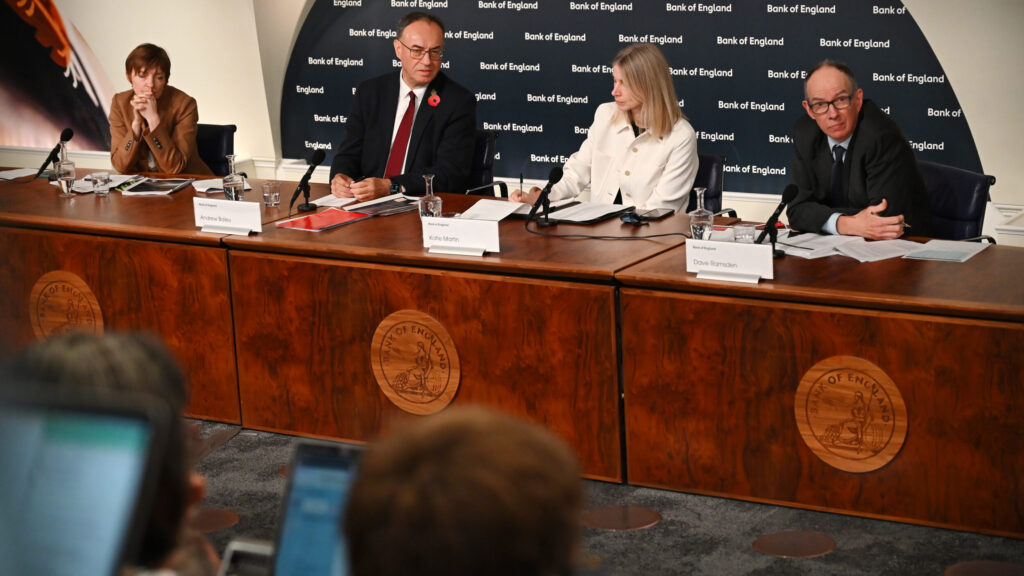
The Bank of England has raised interest rates to 4%, the first rise since 2023, meaning higher borrowing costs for many Londoners.
Rising fuel and energy costs due to the war between the US and Iran have pushed inflation to 3.5%, according to the Office for National Statistics, far higher than the Bank’s 2% target.
Bank of England Governor Andrew Bailey said: “There is now enough inflationary pressure in the pipeline caused by the rise in energy prices, that an increase in Bank rate is warranted.” The idea is that if borrowing costs more, we all spend a bit less, and prices stop rising so quickly.
If you’re buying in London, you’re likely borrowing more than most of the country, since homes here cost about double the UK average. The more you borrow, the more a rate rise costs you. The average two-year fixed mortgage was already 5.97% before Thursday’s decision.
People on tracker mortgages, which rise and fall with the Bank’s rate, will typically pay about £30 more a month, according to UK Finance. With bigger loans, many Londoners are likely to pay more.
For those renting, London rents already average around £2,338 a month per property, and landlords facing higher mortgage costs may pass these on.
For both buyers and renters, energy bills are also expected to climb, with Ofgem expected to raise its price cap by almost 25% to an average of £2,150 a year in January.
The “saving grace” for the savers among us: banks are likely to offer better returns. Susannah Streeter, chief investment strategist at Wealth Club, told PA: “For savers, a rate hike could see even more attractive deals land in the market, and it’s really worth shopping around.”
Londoners can expect inflation to keep rising, especially if the war continues. The Bank suggests it will peak at around 5% in spring 2027, with food prices forecast to rise by as much as 4.8%.
Mr Bailey said the rise “shouldn’t be seen as the first in an inevitable long sequence of hikes”, but warned that “unless the conflict in the Middle East is resolved, neither does it seem likely to be the last increase”.
Nicola, 62, from Wimbledon, says she “worries for those with no fixed-rate mortgage”, believing families will be the worst affected.
Politicians have also reacted to the decision. Chancellor John Healey, who announced a £100 energy payment for 20 million households in last week’s Budget, said on Thursday: “The Iran conflict is reaching deep into the pockets of families and businesses here at home.” Shadow chancellor Andrew Griffith said rising rates were “another headwind for hardworking families”.
For those already struggling in the capital, the rate rise is an unsettling addition.
Submitted Article
Headline
Short Headline
Standfirst
Published Article
HeadlineInterest rates rise to 4%: already expensive London, made more expensive
Short Headline
Standfirst
The Bank of England has raised interest rates to 4%, the first rise since 2023, meaning higher borrowing costs for many Londoners.
Rising fuel and energy costs due to the war between the US and Iran have pushed inflation to 3.5%, according to the Office for National Statistics, far higher than the Bank’s 2% target.
Bank of England Governor Andrew Bailey said: “There is now enough inflationary pressure in the pipeline caused by the rise in energy prices, that an increase in Bank rate is warranted.” The idea is that if borrowing costs more, we all spend a bit less, and prices stop rising so quickly.
If you’re buying in London, you’re likely borrowing more than most of the country, since homes here cost about double the UK average. The more you borrow, the more a rate rise costs you. The average two-year fixed mortgage was already 5.97% before Thursday’s decision.
People on tracker mortgages, which rise and fall with the Bank’s rate, will typically pay about £30 more a month, according to UK Finance. With bigger loans, many Londoners are likely to pay more.
For those renting, London rents already average around £2,338 a month per property, and landlords facing higher mortgage costs may pass these on.
For both buyers and renters, energy bills are also expected to climb, with Ofgem expected to raise its price cap by almost 25% to an average of £2,150 a year in January.
The “saving grace” for the savers among us: banks are likely to offer better returns. Susannah Streeter, chief investment strategist at Wealth Club, told PA: “For savers, a rate hike could see even more attractive deals land in the market, and it’s really worth shopping around.”
Londoners can expect inflation to keep rising, especially if the war continues. The Bank suggests it will peak at around 5% in spring 2027, with food prices forecast to rise by as much as 4.8%.
Mr Bailey said the rise “shouldn’t be seen as the first in an inevitable long sequence of hikes”, but warned that “unless the conflict in the Middle East is resolved, neither does it seem likely to be the last increase”.
Nicola, 62, from Wimbledon, says she “worries for those with no fixed-rate mortgage”, believing families will be the worst affected.
Politicians have also reacted to the decision. Chancellor John Healey, who announced a £100 energy payment for 20 million households in last week’s Budget, said on Thursday: “The Iran conflict is reaching deep into the pockets of families and businesses here at home.” Shadow chancellor Andrew Griffith said rising rates were “another headwind for hardworking families”.
For those already struggling in the capital, the rate rise is an unsettling addition.