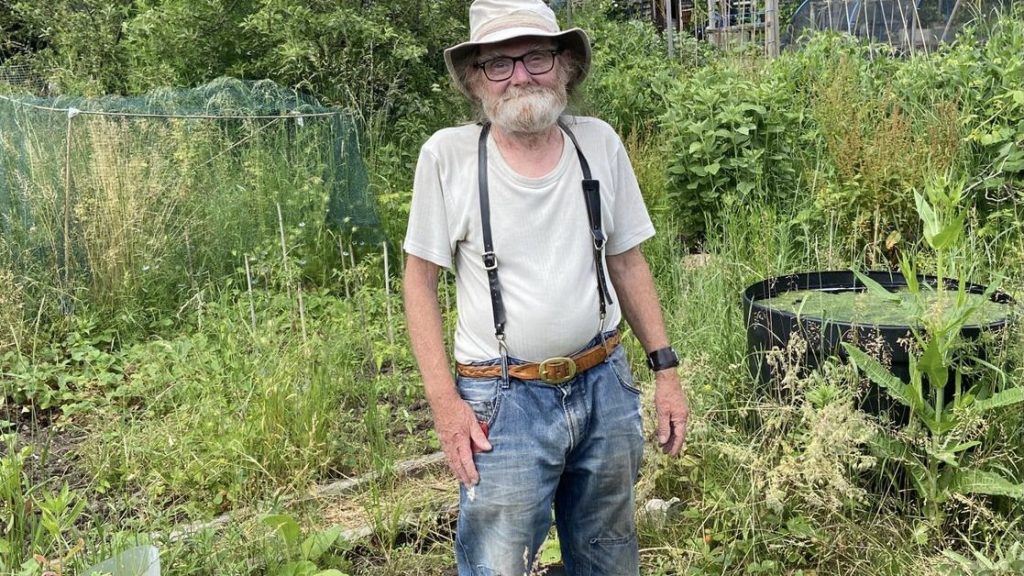
Allotment waiting lists are the highest they've ever been in London.
SHARE:
Allotments in London have allowed residents to channel their green fingers, get outdoors and get their hands dirty. But with the number of budding gardeners on the increase, waiting lists for London’s allotments have skyrocketed.
Before the coronavirus pandemic, nine out of 10 of the longest waiting lists for allotment spaces across the UK were in London. These numbers have increased and are now at the highest they’ve ever been.
But what is the reason for the increase and why are allotments so important to the Londoners that use them?
Reasons for the increase
For many, the pandemic has encouraged them to get connected with nature, especially as many people who live in London don’t have a large outdoor space or own a garden at all. Allotments were one of the few places open during London’s lockdowns, providing an escape from the indoors.
Due to the high demand, some council and private allotments have had to close their waiting lists down, meaning the true demand is likely to be much higher than it seems.
Martin Smith, Chair of One Tree Hill Allotment Society in South East London, told City News that allotments have always been popular and that even before lockdown he had to turn people away.
“At the beginning of last year, our waiting list was 20 years long. I had to turn 150 people away to cut it down, it was crazy! We now have a waiting list of 7-8 years.”
The benefits of allotments
There are many benefits to having an allotment too. Whether you’re a keen gardener or a complete beginner, the positives range from getting active in the outdoors, to meeting new people in the community, to growing and eating your own fruit and vegetables. Credit: One Tree Hill Allotment Society
Terry Dickinson is the London director for the National Allotment Society. He says there are many reasons why people should think about being part of one of the capital’s gardening communities: “it’s not about old men growing giant carrots. It’s about people meeting other people, socialising, enjoying themselves together, and getting out into the fresh air.”
Terry has described life in London’s allotments as “a lifesaver for many people” and can understand why the number of green-fingered Londoners is on the rise.
Unfortunately, it is a waiting game for those lucky enough to even have their name on a list for one of London’s allotments. It is hoped by many that the situation will encourage councils to increase the green space on offer.
Submitted Article
Headline
Short Headline
Standfirst
Published Article
HeadlineLondon’s allotments are in high demand following lockdown
Short HeadlineWaiting lists for London's allotments skyrocket
StandfirstGardening in allotments has many benefits, including the improvement of physical and mental wellbeing.
Allotments in London have allowed residents to channel their green fingers, get outdoors and get their hands dirty. But with the number of budding gardeners on the increase, waiting lists for London’s allotments have skyrocketed.
Before the coronavirus pandemic, nine out of 10 of the longest waiting lists for allotment spaces across the UK were in London. These numbers have increased and are now at the highest they’ve ever been.
But what is the reason for the increase and why are allotments so important to the Londoners that use them?
Reasons for the increase
For many, the pandemic has encouraged them to get connected with nature, especially as many people who live in London don’t have a large outdoor space or own a garden at all. Allotments were one of the few places open during London’s lockdowns, providing an escape from the indoors.
Due to the high demand, some council and private allotments have had to close their waiting lists down, meaning the true demand is likely to be much higher than it seems.
Martin Smith, Chair of One Tree Hill Allotment Society in South East London, told City News that allotments have always been popular and that even before lockdown he had to turn people away.
“At the beginning of last year, our waiting list was 20 years long. I had to turn 150 people away to cut it down, it was crazy! We now have a waiting list of 7-8 years.”
The benefits of allotments
There are many benefits to having an allotment too. Whether you’re a keen gardener or a complete beginner, the positives range from getting active in the outdoors, to meeting new people in the community, to growing and eating your own fruit and vegetables. Credit: One Tree Hill Allotment Society
Terry Dickinson is the London director for the National Allotment Society. He says there are many reasons why people should think about being part of one of the capital’s gardening communities: “it’s not about old men growing giant carrots. It’s about people meeting other people, socialising, enjoying themselves together, and getting out into the fresh air.”
Terry has described life in London’s allotments as “a lifesaver for many people” and can understand why the number of green-fingered Londoners is on the rise.
Unfortunately, it is a waiting game for those lucky enough to even have their name on a list for one of London’s allotments. It is hoped by many that the situation will encourage councils to increase the green space on offer.
Internationally renowned for transforming her life into confessional art, the exhibition offers an intimate and unapologetic glimpse into one of Britain’s most influential contemporary artists.
As e-bike riders weave through London’s busiest junctions, red lights are increasingly treated as optional. One software engineer says the problem may be baked into how hire firms charge users