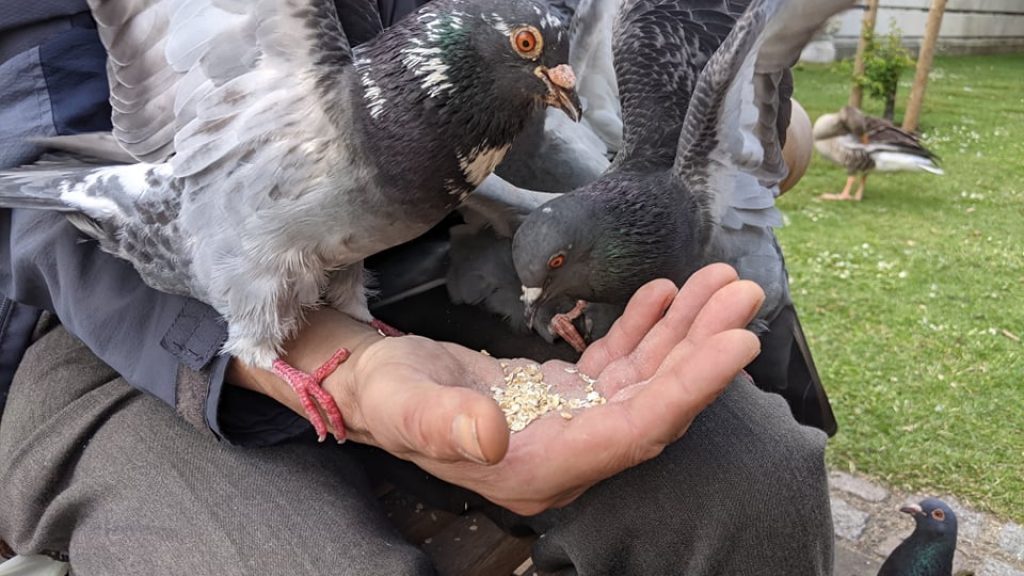
The Help Nature Thrive initiative aims to stop overfeeding in London’s parks, but experts say could deprive animals of food in times of scarcity.
The campaign was launched earlier this month and asked visitors not to feed birds in the capital’s green spaces.
Park goers should be “appreciating and observing wildlife in its natural habitat, rather than seeking an up close and personal experience”, a statement from The Royal Parks said. Citing the “harmful effect it can have on animals and their habitats”.
This summer we’re asking visitors to help us #KeepWildlifeWild by observing animals in their natural habitat instead of touching or feeding them. It’s all part of our campaign to #HelpNatureThrive. Find out more here: https://t.co/JPUfrYTff4
Video credit: @Astrid_Tontson pic.twitter.com/g8zzknpGwq— The Royal Parks (@theroyalparks) June 22, 2021
However, Paul Stancliffe from the British Trust for Ornithology said: “When the weather is really, really cold and food is hard to come by, then providing food can make a difference”.
“For some small birds during hard spells, putting bird food out may well be the difference between life and death for those species.”
But Peter Lawrence, biodiversity manager at the Royal Parks said current levels of bird feeding are harmful to the environment: “With such large numbers of visitors, just a small proportion of [park goers] feeding wildlife can impact water quality, which harms biodiversity and ultimately harms the birds themselves if the quality of their habitats is reduced.”
A national past-time
Paul Stancliffe says Discouraging feeding the birds is not just an ecological issue, but an emotional one: “It’s something we do as a nation, we’ve done it for almost as long as I remember, it’s almost an institution, taking your grandchildren to feed the ducks”.
Continuing to say: “mental health and wellbeing, access to nature is really important”.
Feeding the birds is particularly important to 80-year-old Gaye Edwards from Windsor, to whom it is a source of comfort: “My husband’s not very well at the moment so it gives me something to do, rather than concentrate on his problems. I just love seeing birds, they’re fascinating creatures”.