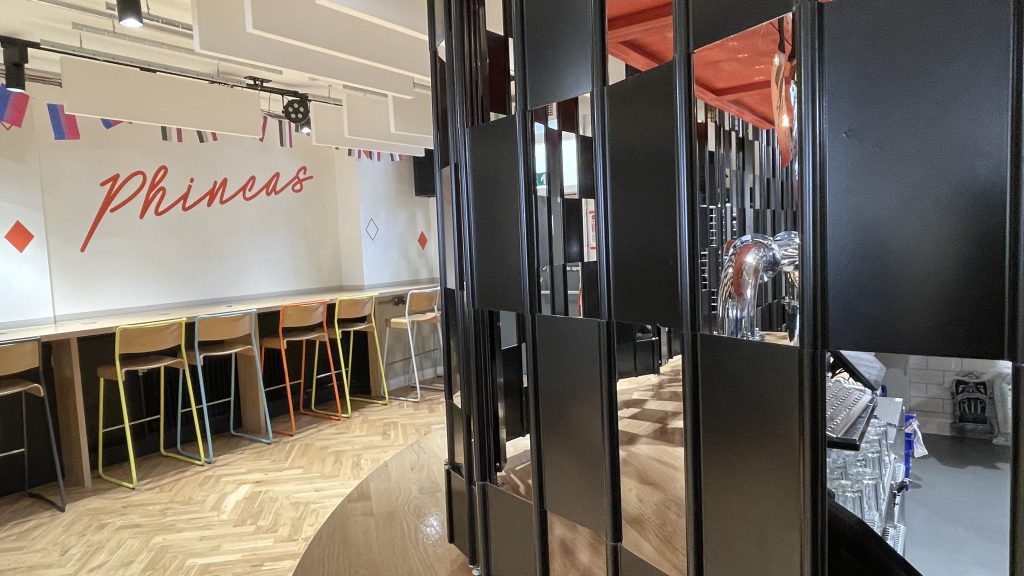
London University Closes Bars In Solidarity With Anti-Spiking Movement
In a show of support for London's Girls Night In Movement, clubs and societies have chosen to boycott clubs and bars. This has led to the two university bars shutting their doors in a show of solidarity.
Girls night out turned into a girls night in in London last night, in a bid to raise awareness of the rise in spiking incidents of late.
Many sports clubs and societies have joined the new movement. The University College London Netball society was one of the clubs that joined Wednesday night’s movement. UCL’s Hockey and Net Ball societies would usually unwind after a day’s training in university bar’s Phineas and The Loop, however last night was a much quieter night for the clubs.
Supraja Pulya from UCL’s Hockey Club has said the boycott of the university’s bars is a way of raising awareness about the threat spiking poses to girls on a night out and is a call for action for more to be done in terms of women’s safety when visiting bars and night clubs.
“It’s the first Wednesday that there’s not a social happening. We usually go to The Loop but everyone’s boycotting it to raise awareness about the fact that so many people are being spiked. There’s been quite an increase in the number of people being spiked and not enough is being done about it.”
UCL students and student union members are all standing together to support the Girls Night In Movement and call for more to be done to make nights out safer for girls across London.
University College London’s Activities and Engagement Officer, Ilyas Benmouna, views staff support of the students boycott as vital in getting more to be done to ensure females can go out safely in London.
Speaking on the movement, he said:
“We wanted to show support for the students and we wanted to join them in their movement by closing all the bars.”
“We want more things to happen, not just occur, not just a tokenistic gesture. We’ve opened a form on our website to tackle sexual violence. Campaigns to bring in outside companies to train our staff to help deal with situations where females may be spiked in bars and clubs. Ordering more drink covers etc.”
Wednesday night’s Girls Night In Movement was the first night in support of the movement in London. The aim of the movement is to bring light to the increase in spiking incidents in cities around England. The movement is a call for action to introduce better security measures to ensure better safety for females on nights out.
Submitted Article
Headline
Short Headline
Standfirst
Published Article
HeadlineLondon University Closes Bars In Solidarity With Anti-Spiking Movement
Short HeadlineLondon University Joins Girls Night In Movement
StandfirstIn a show of support for London's Girls Night In Movement, clubs and societies have chosen to boycott clubs and bars. This has led to the two university bars shutting their doors in a show of solidarity.
Girls night out turned into a girls night in in London last night, in a bid to raise awareness of the rise in spiking incidents of late.
Many sports clubs and societies have joined the new movement. The University College London Netball society was one of the clubs that joined Wednesday night’s movement. UCL’s Hockey and Net Ball societies would usually unwind after a day’s training in university bar’s Phineas and The Loop, however last night was a much quieter night for the clubs.
Supraja Pulya from UCL’s Hockey Club has said the boycott of the university’s bars is a way of raising awareness about the threat spiking poses to girls on a night out and is a call for action for more to be done in terms of women’s safety when visiting bars and night clubs.
“It’s the first Wednesday that there’s not a social happening. We usually go to The Loop but everyone’s boycotting it to raise awareness about the fact that so many people are being spiked. There’s been quite an increase in the number of people being spiked and not enough is being done about it.”
UCL students and student union members are all standing together to support the Girls Night In Movement and call for more to be done to make nights out safer for girls across London.
University College London’s Activities and Engagement Officer, Ilyas Benmouna, views staff support of the students boycott as vital in getting more to be done to ensure females can go out safely in London.
Speaking on the movement, he said:
“We wanted to show support for the students and we wanted to join them in their movement by closing all the bars.”
“We want more things to happen, not just occur, not just a tokenistic gesture. We’ve opened a form on our website to tackle sexual violence. Campaigns to bring in outside companies to train our staff to help deal with situations where females may be spiked in bars and clubs. Ordering more drink covers etc.”
Wednesday night’s Girls Night In Movement was the first night in support of the movement in London. The aim of the movement is to bring light to the increase in spiking incidents in cities around England. The movement is a call for action to introduce better security measures to ensure better safety for females on nights out.
Internationally renowned for transforming her life into confessional art, the exhibition offers an intimate and unapologetic glimpse into one of Britain’s most influential contemporary artists.
As e-bike riders weave through London’s busiest junctions, red lights are increasingly treated as optional. One software engineer says the problem may be baked into how hire firms charge users