Haringey: the borough with the worst mental health in London
Haringey in North London has been named the London borough with the highest rates of mental illness, as campaigners warn that men are still being held back by stigma and silence.
This November marks the beginning of Men’s Health Awareness Month. City News investigated the London Borough of Haringey to see if enough is being done for those suffering.
In Haringey, between 2020 and 2022, 41 residents in Haringey died by suicide, a rate of 5.2 per 100,000 people. According to the council’s 2024 Joint Strategic Needs Assessment (JSNA). Of those deaths, 30 were men.
The same report found that Haringey recorded the highest prevalence of serious mental illness across London at 1.37%, raising questions over whether enough is being done to reach men before they reach crisis point.
Psychotherapist Alec Enamorado, who works with male clients in Haringey, said many men struggle to be open when they first come to therapy.
“I’ve noticed a pattern of them introducing themselves with an issue that then becomes a completely different issue in the first session,” she said.
“They can be a shoulder to cry on, but never look for a shoulder to cry on.”
Enamorado believes that expectations of stoicism continue to prevent men from asking for help. “My sense is that they need to be perceived as solid, strong, as never needing anything from anyone,” she added.
While therapy remains underused, some men have found their own forms of coping in less formal settings. In gyms across Hackney and Haringey, exercise is increasingly seen as both a mental and physical outlet.
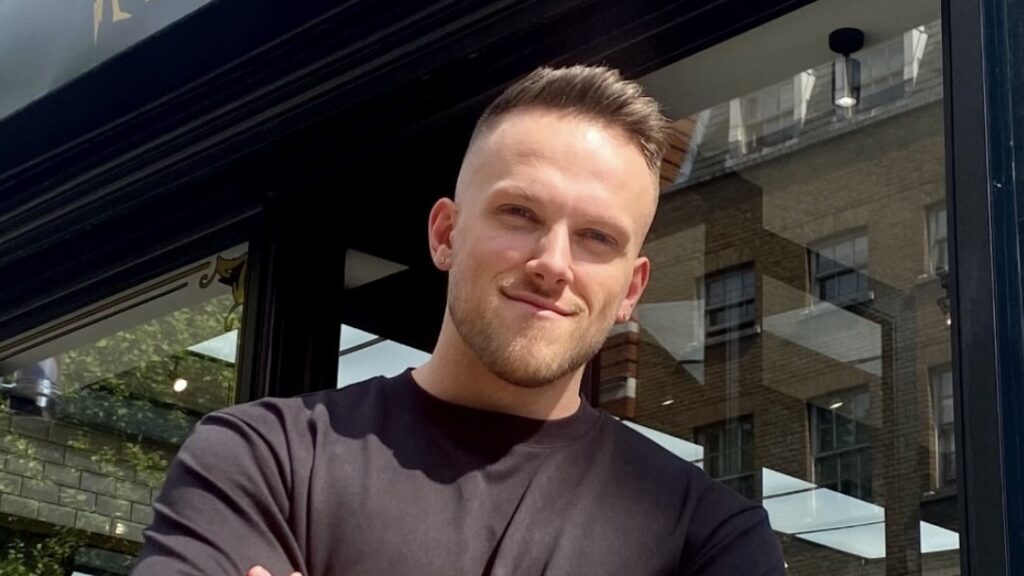
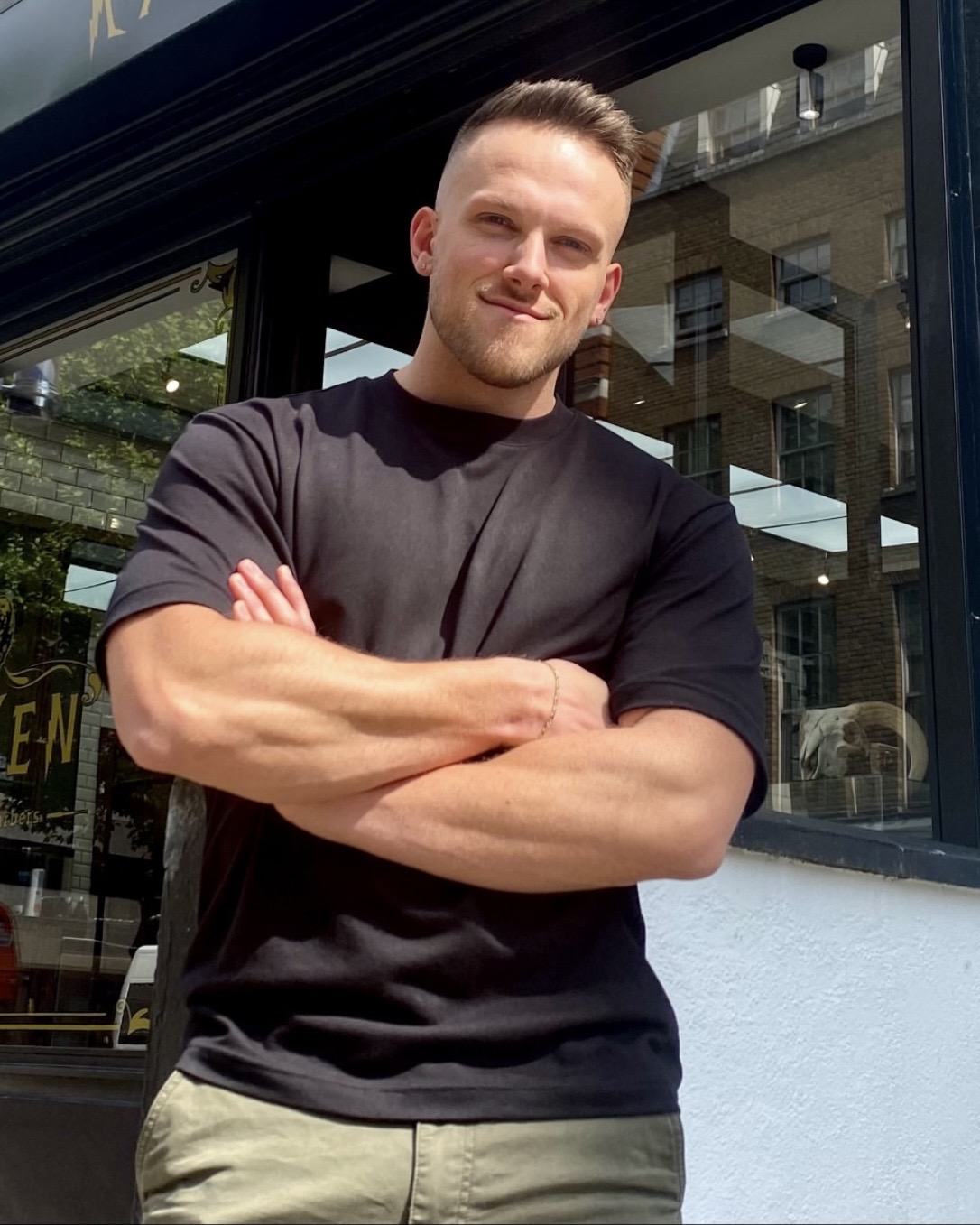
Chris Harrington at Barber Shop from his Instagram highlights.
Chris Harrington, a life coach and fitness influencer, said that fitness can offer a structure and sense of control for those struggling in silence.
“Once you have a strong body, you’re going to have a strong mindset,” he said. “It’s really simple to say but quite difficult to do… You need to use that pain and turn it into a bigger purpose in your life.”
But Harrington also warned that strength is often misunderstood. “They think, ‘we’re just men, we’re strong men,’ and that isn’t always the case,” he said.
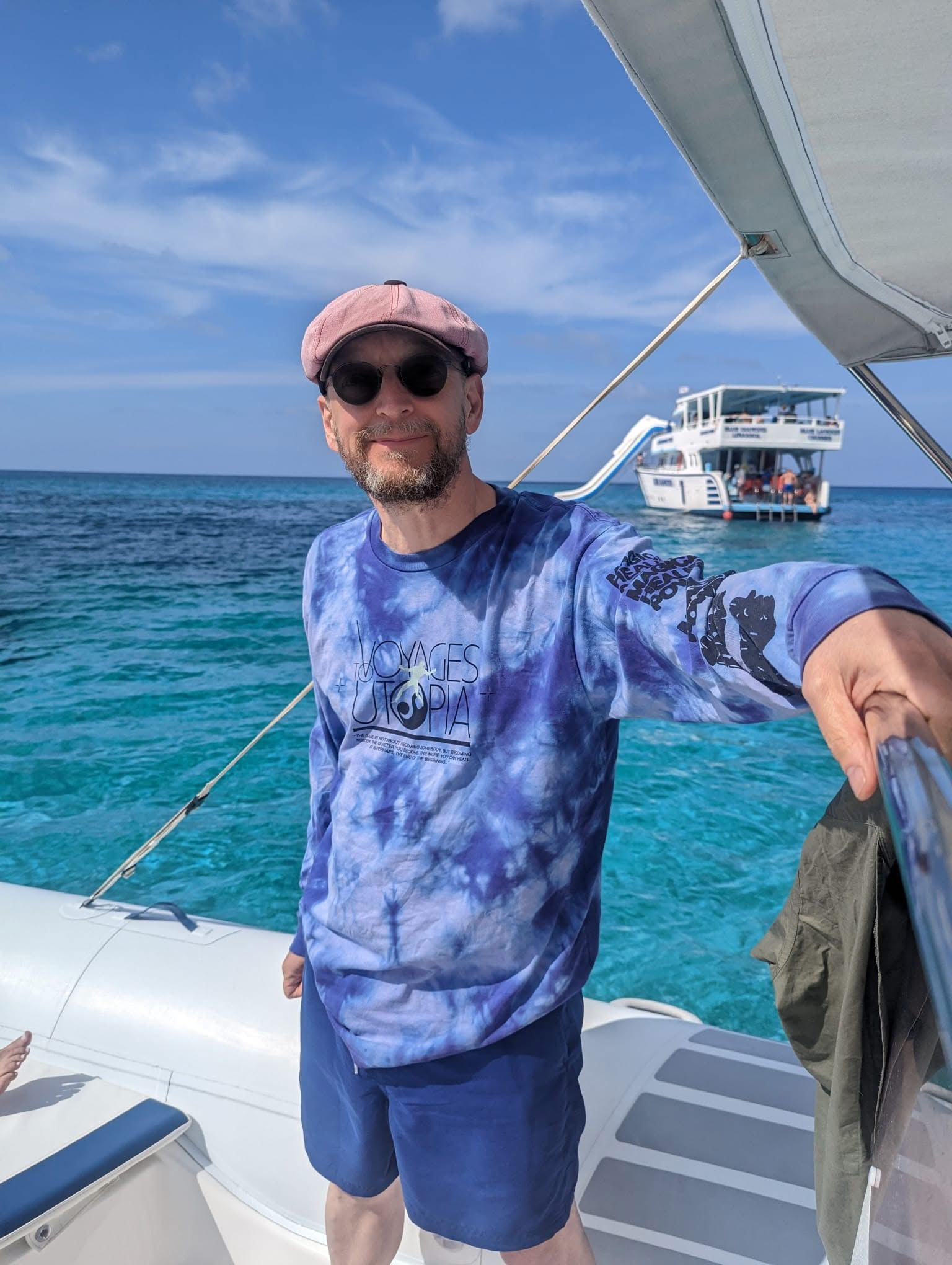
For some, illness has made opening up unavoidable. Allen Innes, a Haringey resident diagnosed with prostate cancer last year, said that confronting his diagnosis changed the way he thinks about masculinity.
“My treatment depletes you of testosterone, so effectively you are becoming less and less a traditional male,” he said. “Maybe that makes this easier, to have this enlightened experience. I’m not sure two years ago I would’ve been able to talk about any of these things.”
According to Bupa, around half of men experiencing mental health problems do not seek professional help, and nearly a third say they would not know where to go.
National charity Mind has also warned that “the nation’s mental health is getting worse” and urged for sustained funding for local services.
For anyone affected by these issues, help is available.
Call Samaritans for free on 116 123, or visit mind.org.uk for support.
Submitted Article
Headline
Short Headline
Standfirst
Published Article
HeadlineHaringey: the borough with the worst mental health in London
Short HeadlineHaringey's mental health crisis
StandfirstHaringey in North London has been named the London borough with the highest rates of mental illness, as campaigners warn that men are still being held back by stigma and silence.
This November marks the beginning of Men’s Health Awareness Month. City News investigated the London Borough of Haringey to see if enough is being done for those suffering.
In Haringey, between 2020 and 2022, 41 residents in Haringey died by suicide, a rate of 5.2 per 100,000 people. According to the council’s 2024 Joint Strategic Needs Assessment (JSNA). Of those deaths, 30 were men.
The same report found that Haringey recorded the highest prevalence of serious mental illness across London at 1.37%, raising questions over whether enough is being done to reach men before they reach crisis point.
Psychotherapist Alec Enamorado, who works with male clients in Haringey, said many men struggle to be open when they first come to therapy.
“I’ve noticed a pattern of them introducing themselves with an issue that then becomes a completely different issue in the first session,” she said.
“They can be a shoulder to cry on, but never look for a shoulder to cry on.”
Enamorado believes that expectations of stoicism continue to prevent men from asking for help. “My sense is that they need to be perceived as solid, strong, as never needing anything from anyone,” she added.
While therapy remains underused, some men have found their own forms of coping in less formal settings. In gyms across Hackney and Haringey, exercise is increasingly seen as both a mental and physical outlet.
Chris Harrington at Barber Shop from his Instagram highlights.
Chris Harrington, a life coach and fitness influencer, said that fitness can offer a structure and sense of control for those struggling in silence.
“Once you have a strong body, you’re going to have a strong mindset,” he said. “It’s really simple to say but quite difficult to do… You need to use that pain and turn it into a bigger purpose in your life.”
But Harrington also warned that strength is often misunderstood. “They think, ‘we’re just men, we’re strong men,’ and that isn’t always the case,” he said.
For some, illness has made opening up unavoidable. Allen Innes, a Haringey resident diagnosed with prostate cancer last year, said that confronting his diagnosis changed the way he thinks about masculinity.
“My treatment depletes you of testosterone, so effectively you are becoming less and less a traditional male,” he said. “Maybe that makes this easier, to have this enlightened experience. I’m not sure two years ago I would’ve been able to talk about any of these things.”
According to Bupa, around half of men experiencing mental health problems do not seek professional help, and nearly a third say they would not know where to go.
National charity Mind has also warned that “the nation’s mental health is getting worse” and urged for sustained funding for local services.
For anyone affected by these issues, help is available.
Call Samaritans for free on 116 123, or visit mind.org.uk for support.
Internationally renowned for transforming her life into confessional art, the exhibition offers an intimate and unapologetic glimpse into one of Britain’s most influential contemporary artists.
As e-bike riders weave through London’s busiest junctions, red lights are increasingly treated as optional. One software engineer says the problem may be baked into how hire firms charge users
Tower Hamlets residents are concerned that an application to use Victoria Park for 75 days during All Points East and LIDO festivals could disrupt their summers