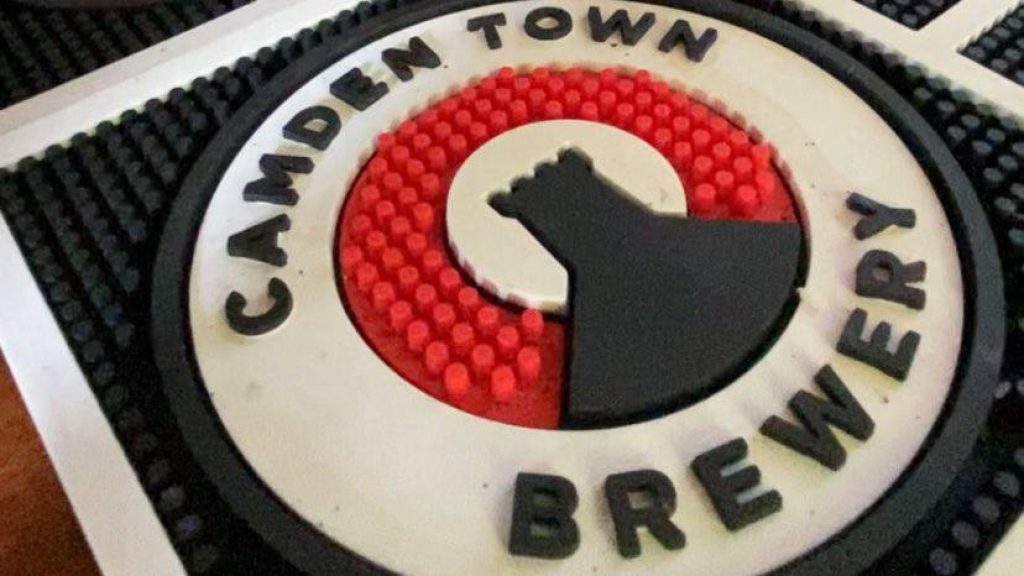
Camden Town are one of the main breweries in London affected by the increase in demand.
SHARE:
London’s small breweries are starting to feel the pressure as demand for local craft beers begins to outweigh supply.
Following the opening of outdoor hospitality venues on 12 April, and then indoor venues on 17 May, Londoners have begun to flock to pubs and bars in large numbers.
Hackney Brewery delivered a reported five tonnes of beer in one day to pubs and bars across London last week.
A shortage of Camden Hells larger forced some establishments to change suppliers away from Camden Town Brewery.
The shortage has left Camden Brewery beer taps empty.
Head brewer at Southey Brewing Co in south-east London, Charlotte Thackeray, told City News, “We aren’t able to keep up with the demand. We’ve had to invest in a new tank just to increase production.”
“People over the pandemic have wanted to explore new hobbies. They have more disposable income at the moment and want to treat themselves to something nice”, she added.
Increased demand
Over 42 million pints were sold in the UK across the bank holiday weekend.
Supermarket sales of lager were down 28% and sales of cider were down 41% from May 2020, as many headed to pubs.
The increase in demand has put strain on London’s larger production companies such as Camden Town Brewery, Brixton Brewery and Beavertown Brewery.
Despite the difficulties that larger brewers have faced, there could inadvertently be a positive impact on the smaller producers.
Smaller producers have taken advantage of the opportunity.
Ms Thackeray also said, “In the beginning we had a lot of spare beer so we invested in a canning machine. We were able to can a lot of our beer which we were able to keep selling locally”.
“It did really well for us because people were able to have our beer in their hands and we started to sell a bit of wholesale into bottle shops”.
Submitted Article
Headline
Short Headline
Standfirst
Published Article
HeadlineLondon breweries warn supply cannot keep up as craft beer demand soars
Short HeadlineLondon breweries warn supply cannot meet demand
StandfirstAs hospitality booms post-lockdown, more and more Londoners are turning to locally brewed lagers and ales.
London’s small breweries are starting to feel the pressure as demand for local craft beers begins to outweigh supply.
Following the opening of outdoor hospitality venues on 12 April, and then indoor venues on 17 May, Londoners have begun to flock to pubs and bars in large numbers.
Hackney Brewery delivered a reported five tonnes of beer in one day to pubs and bars across London last week.
A shortage of Camden Hells larger forced some establishments to change suppliers away from Camden Town Brewery.
The shortage has left Camden Brewery beer taps empty.
Head brewer at Southey Brewing Co in south-east London, Charlotte Thackeray, told City News, “We aren’t able to keep up with the demand. We’ve had to invest in a new tank just to increase production.”
“People over the pandemic have wanted to explore new hobbies. They have more disposable income at the moment and want to treat themselves to something nice”, she added.
Increased demand
Over 42 million pints were sold in the UK across the bank holiday weekend.
Supermarket sales of lager were down 28% and sales of cider were down 41% from May 2020, as many headed to pubs.
The increase in demand has put strain on London’s larger production companies such as Camden Town Brewery, Brixton Brewery and Beavertown Brewery.
Despite the difficulties that larger brewers have faced, there could inadvertently be a positive impact on the smaller producers.
Smaller producers have taken advantage of the opportunity.
Ms Thackeray also said, “In the beginning we had a lot of spare beer so we invested in a canning machine. We were able to can a lot of our beer which we were able to keep selling locally”.
“It did really well for us because people were able to have our beer in their hands and we started to sell a bit of wholesale into bottle shops”.
Locked out in London and need a locksmith? Quotes can vary sharply between firms, leaving customers unsure what a fair price looks like, especially late at night.