The cost of being locked out: London locksmith prices vary widely
Locked out in London and need a locksmith? Quotes can vary sharply between firms, leaving customers unsure what a fair price looks like, especially late at night.
Some customers say they have been charged significantly more by locksmiths than the price they were quoted.
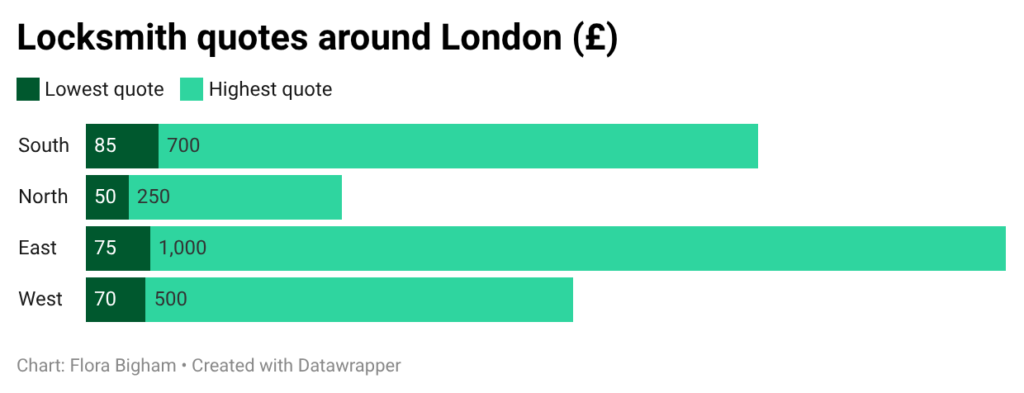
City News compared quotes across London, sampling locksmiths in North, South, East and West to see how prices varied.
Costs can legitimately differ depending on factors such as the type of lock and door, and whether the job is urgent or out of hours. But unclear quoting can leave customers unsure what they will pay.
City News contacted at least four locksmiths in each area, all within a seven-mile radius of the same address. We asked each company for a price to regain entry later that evening, at around 11pm. Each locksmith was given the same description of the lock and door.
Quotes varied widely. One locksmith quoted a £69 call-out fee, then suggested a replacement lock costing between £20 and £150 depending on security. Another said labour would be £85, but that a lock replacement could cost up to £700. One company quoted an all-inclusive price of £160, while another said it would cost £99 to attend at around 11pm, plus a £150 drilling fee and a new lock starting at £30.
City News also spoke to Annie* (name changed), who said she was charged more than £600 after leaving her keys inside her home.
She said the company’s website listed lock replacement at £95, but that “when the engineer arrived he said it was a high-security lock so it would cost £180. He then presented me with a bill at the end which had so many extra charges”.
Annie said she felt under pressure to pay. “As a young woman alone in the evening, I panicked and felt I had no other option than to pay and get back into my property,” she said.
City News contacted the company Annie used. It said its call-out fee is £49, but could not provide more detailed pricing without speaking to an engineer.
Annie provided an invoice which listed charges for drilling the lock to open the door, a high-security replacement lock with three keys, labour to fit and adjust the lock, and a £49 call-out fee. The invoice also added 20% VAT. City News checked the VAT number shown on the invoice and found it is valid, but registered to a different business name.
Price differences can be driven by factors including the type of door and lock, whether the work is out of hours, and whether the lock needs replacing. But consumer groups have raised concerns that unclear pricing can leave customers unsure what they will ultimately be charged.
City News asked Steffan George, managing director of the Master Locksmiths Association, about typical costs. “It’s virtually impossible to say because what’s an average lock, and what kind of lock is it?” he said.
He said a common complaint involves firms which advertise a low call-out price but then add fees once on site. He referred to these as “49ers”.
“We’ve seen some bills for over £3,000 for what is a relatively simple job,” George said.
He said the issue is not new. In 2012, the Master Locksmiths Association published a press release warning about “scam locksmith operations”, and George said similar complaints are still being raised today.
George said there is no single, straightforward fix. He said some rogue traders can pay for advertising so they appear at the top of search results, making it harder for customers to judge who is reputable.
He added that some other countries have introduced restrictions aimed at limiting this kind of practice, although he did not identify which systems work best. He also pointed to regulations introduced in Ireland within the past decade, but said their impact has been limited.
George said government-backed regulation in the UK has been discussed, but described it as “a marmite topic in the locksmith industry”.
The MLA has published indicative pricing guides, but George said the key is clear quoting before work starts. “It’s a case of being transparent,” he said. “The worst thing is the bait-and-switch, where a job is advertised as low cost and then ends up being charged at a phenomenally high price. It’s about consumer awareness.”
*the interviewee’s name has been changed.
Submitted Article
Headline
Short Headline
Standfirst
Published Article
HeadlineThe cost of being locked out: London locksmith prices vary widely
Short HeadlineLocked out in London, ripped off?
StandfirstLocked out in London and need a locksmith? Quotes can vary sharply between firms, leaving customers unsure what a fair price looks like, especially late at night.
Some customers say they have been charged significantly more by locksmiths than the price they were quoted.
City News compared quotes across London, sampling locksmiths in North, South, East and West to see how prices varied.
Costs can legitimately differ depending on factors such as the type of lock and door, and whether the job is urgent or out of hours. But unclear quoting can leave customers unsure what they will pay.
City News contacted at least four locksmiths in each area, all within a seven-mile radius of the same address. We asked each company for a price to regain entry later that evening, at around 11pm. Each locksmith was given the same description of the lock and door.
Quotes varied widely. One locksmith quoted a £69 call-out fee, then suggested a replacement lock costing between £20 and £150 depending on security. Another said labour would be £85, but that a lock replacement could cost up to £700. One company quoted an all-inclusive price of £160, while another said it would cost £99 to attend at around 11pm, plus a £150 drilling fee and a new lock starting at £30.
City News also spoke to Annie* (name changed), who said she was charged more than £600 after leaving her keys inside her home.
She said the company’s website listed lock replacement at £95, but that “when the engineer arrived he said it was a high-security lock so it would cost £180. He then presented me with a bill at the end which had so many extra charges”.
Annie said she felt under pressure to pay. “As a young woman alone in the evening, I panicked and felt I had no other option than to pay and get back into my property,” she said.
City News contacted the company Annie used. It said its call-out fee is £49, but could not provide more detailed pricing without speaking to an engineer.
Annie provided an invoice which listed charges for drilling the lock to open the door, a high-security replacement lock with three keys, labour to fit and adjust the lock, and a £49 call-out fee. The invoice also added 20% VAT. City News checked the VAT number shown on the invoice and found it is valid, but registered to a different business name.
Price differences can be driven by factors including the type of door and lock, whether the work is out of hours, and whether the lock needs replacing. But consumer groups have raised concerns that unclear pricing can leave customers unsure what they will ultimately be charged.
City News asked Steffan George, managing director of the Master Locksmiths Association, about typical costs. “It’s virtually impossible to say because what’s an average lock, and what kind of lock is it?” he said.
He said a common complaint involves firms which advertise a low call-out price but then add fees once on site. He referred to these as “49ers”.
“We’ve seen some bills for over £3,000 for what is a relatively simple job,” George said.
He said the issue is not new. In 2012, the Master Locksmiths Association published a press release warning about “scam locksmith operations”, and George said similar complaints are still being raised today.
George said there is no single, straightforward fix. He said some rogue traders can pay for advertising so they appear at the top of search results, making it harder for customers to judge who is reputable.
He added that some other countries have introduced restrictions aimed at limiting this kind of practice, although he did not identify which systems work best. He also pointed to regulations introduced in Ireland within the past decade, but said their impact has been limited.
George said government-backed regulation in the UK has been discussed, but described it as “a marmite topic in the locksmith industry”.
The MLA has published indicative pricing guides, but George said the key is clear quoting before work starts. “It’s a case of being transparent,” he said. “The worst thing is the bait-and-switch, where a job is advertised as low cost and then ends up being charged at a phenomenally high price. It’s about consumer awareness.”
A 2024 Freedom of Information request showed Bromley Council had £4.5 million invested in arms companies that year with £1.5 million reportedly linked to Israel.
Undercover officers raided three linked shops in Barking town centre, revealing how illicit tobacco is being hidden in walls, ceilings and nearby locations to evade detection.
More than 330,000 people across the UK sought support from the Stop It Now helpline in 2025 over concerns about their own or someone else’s online sexual behaviour towards children, according to new charity data. The anonymous service says contacts by phone, email and webchat rose significantly over the year.