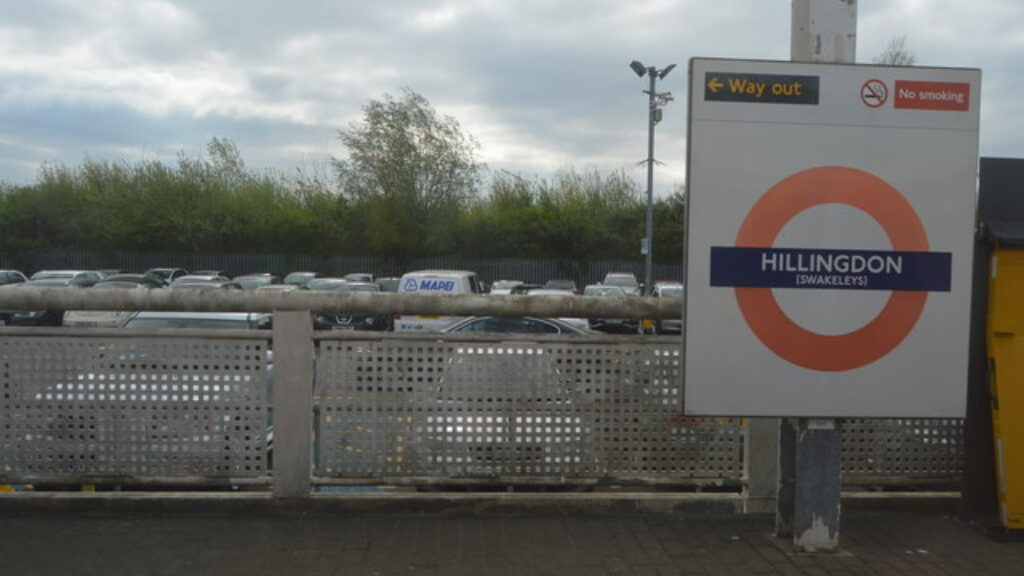
Asylum seekers evicted from hotels in Hillingdon are increasingly presenting as homeless, a council spokesperson has told City News.
“The council is seeing a significant increase in evictions of former asylum seekers from this accommodation, who then present to the council as homeless and requiring support,” a Hillingdon Council spokesperson said.
This comes as new government data released this morning revealed 30,657 people were living in asylum hotels across the UK at the end of last year – a decrease of 19 per cent from 2024.
According to the government, this decrease is “mainly due to fewer people in hotels”.
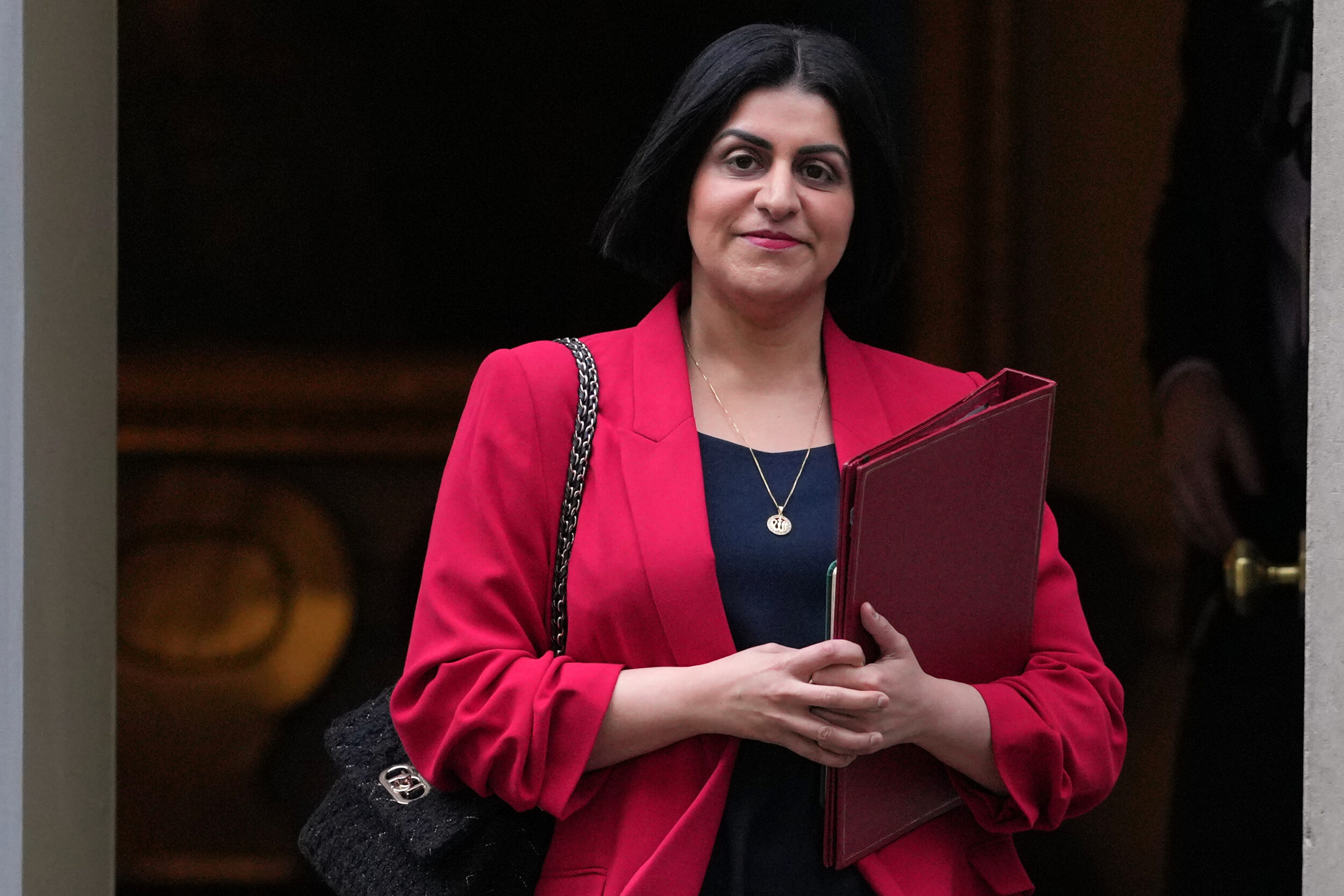
Home Secretary Shabana Mahmood has previously defended her overhaul of the asylum system (Credit: Kin Cheung)
Last November, Home Secretary Shabana Mahmood announced an overhaul of the UK’s immigration system, including moving asylum seekers out of hotels as part of the government’s plan to exiting all asylum hotels by the end of this Parliament.
According to the policy, some asylum seekers would instead be moved to large sites such as army barracks.
However, Hillingdon Council says this reduction in the use of hotels is causing pressures elsewhere.
Meanwhile, The Refugee Council claims: “The use of military sites as a solution to asylum hotels is not the answer, as these have already been proven to be more expensive than hotels and further isolate people seeking asylum from essential services.”
How does this compare to the rest of London?
Hillingdon Council’s spokesperson said the borough “has the highest number of asylum seekers housed in hotels or dispersed accommodation by the Home Office of any local authority in London – more than four and half times the London average.”
According to this morning’s data, 9,380 asylum seekers were living in hotels in London at the end of last year.
Of these individuals, 1,896 were living in Hillingdon.
This was closely followed by Hounslow and Croydon, where 1,466 and 1,069 asylum seekers were living respectively.
Asylum hotels have previously been a source of tension in Hillingdon. Last August, the Council said it was considering taking legal action against the government over asylum seekers being held in hotels in the borough.
This came after Epping Forest District Council won an injunction over the use of The Bell Hotel to house asylum seekers.
“The council has specific pressures relating to its status as a port authority – with Heathrow Airport within its boundaries – which has seen increasing demands to support former asylum-seeking families and Chagossian nationals, who are eligible for assistance,” Hillingdon Council’s spokesperson explained.
Heathrow Airport is on the outskirts of Hillingdon (Credit: Lewis Clarke)
Across the capital, the number of asylum seekers receiving governmental support has fallen by 9.67 per cent.
Support can take the form of accommodation, financial assistance, or both.
This morning’s data revealed the number of supported asylum seekers in the capital decreased from 18,127 in December 2024 to 16,378 at the end of last year.
London’s figures form part of a wider trend across the UK, with the overall number of supported asylum seekers falling by 4.16 per cent at the end of last year.
The Home Office was contacted for comment.
Submitted Article
Headline
Short Headline
Standfirst
Published Article
HeadlineEvicted asylum seekers now present as homeless, Hillingdon Council says
Short HeadlineEvicted asylum seekers present as homeless
StandfirstNew data shows 1,896 asylum seekers were living in hotels in Hillingdon at the end of December 2025
Asylum seekers evicted from hotels in Hillingdon are increasingly presenting as homeless, a council spokesperson has told City News.
“The council is seeing a significant increase in evictions of former asylum seekers from this accommodation, who then present to the council as homeless and requiring support,” a Hillingdon Council spokesperson said.
This comes as new government data released this morning revealed 30,657 people were living in asylum hotels across the UK at the end of last year – a decrease of 19 per cent from 2024.
According to the government, this decrease is “mainly due to fewer people in hotels”.
Home Secretary Shabana Mahmood has previously defended her overhaul of the asylum system (Credit: Kin Cheung)
Last November, Home Secretary Shabana Mahmood announced an overhaul of the UK’s immigration system, including moving asylum seekers out of hotels as part of the government’s plan to exiting all asylum hotels by the end of this Parliament.
According to the policy, some asylum seekers would instead be moved to large sites such as army barracks.
However, Hillingdon Council says this reduction in the use of hotels is causing pressures elsewhere.
Meanwhile, The Refugee Council claims: “The use of military sites as a solution to asylum hotels is not the answer, as these have already been proven to be more expensive than hotels and further isolate people seeking asylum from essential services.”
How does this compare to the rest of London?
Hillingdon Council’s spokesperson said the borough “has the highest number of asylum seekers housed in hotels or dispersed accommodation by the Home Office of any local authority in London – more than four and half times the London average.”
According to this morning’s data, 9,380 asylum seekers were living in hotels in London at the end of last year.
Of these individuals, 1,896 were living in Hillingdon.
This was closely followed by Hounslow and Croydon, where 1,466 and 1,069 asylum seekers were living respectively.
Asylum hotels have previously been a source of tension in Hillingdon. Last August, the Council said it was considering taking legal action against the government over asylum seekers being held in hotels in the borough.
This came after Epping Forest District Council won an injunction over the use of The Bell Hotel to house asylum seekers.
“The council has specific pressures relating to its status as a port authority – with Heathrow Airport within its boundaries – which has seen increasing demands to support former asylum-seeking families and Chagossian nationals, who are eligible for assistance,” Hillingdon Council’s spokesperson explained.
Heathrow Airport is on the outskirts of Hillingdon (Credit: Lewis Clarke)
Across the capital, the number of asylum seekers receiving governmental support has fallen by 9.67 per cent.
Support can take the form of accommodation, financial assistance, or both.
This morning’s data revealed the number of supported asylum seekers in the capital decreased from 18,127 in December 2024 to 16,378 at the end of last year.
London’s figures form part of a wider trend across the UK, with the overall number of supported asylum seekers falling by 4.16 per cent at the end of last year.
As the weather turns, City News has spoken to a long-term rough sleeper to see how those on the street feel about Andy Burnham’s plan to end homelessness and the upcoming winter.