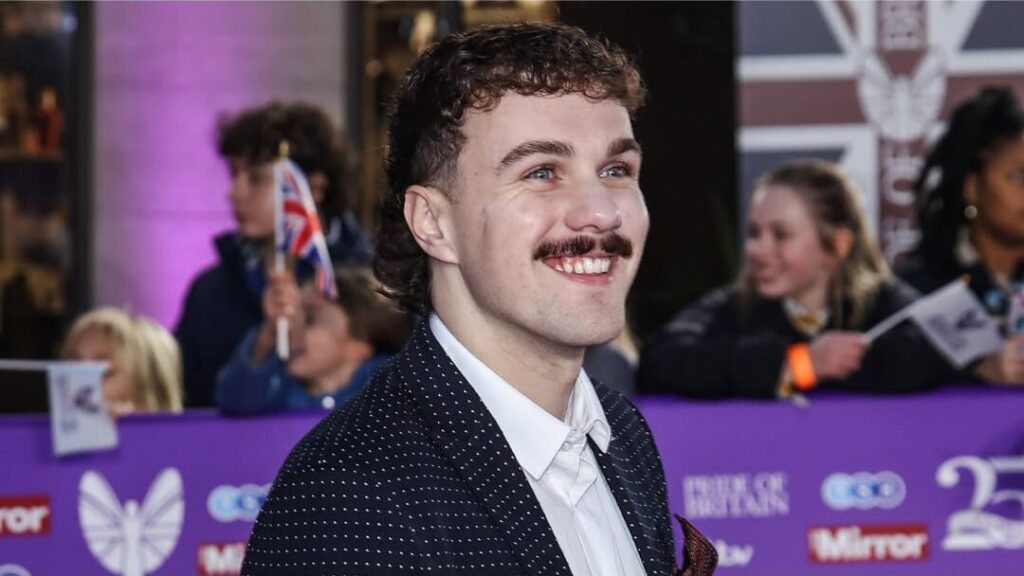
As care leaders gather to discuss the future of the sector, one trainer says the conversation needs to shift from protecting older people to building them up physically.
For Bailey Greetham, 22, that belief has been the driving force behind his work since he first stepped into a care home.
A Pandemic Idea that became a Mission
Greetham started his organisation, Be Great Fitness, at just 17 during the Covid-19 pandemic. While public messaging focused heavily on shielding older people, he felt something important was being overlooked.
“Everyone was talking about protecting older people, but very few were talking about strengthening them,” he says. “That never sat right with me.”
His intention was clear from the outset. He believed physical activity was not being delivered properly in the environments where residents were most vulnerable.
@_baileygreetham Ad Richard always impresses me! Richard recently has been risk of falls so it’s been inportant to build all of his mobility! Full body during our @Tanglewood Care Homes Holbeach meadows classes #carehome #carehomeactivities
♬ Stuff We Did (from ‘Up’) – Piano Version – your movie soundtrack
“Care homes felt like the place that needed it most,” he explains. “Not surface-level entertainment and not something to just tick a box on an activity planner. Structured, progressive exercise delivered seriously.”
Why Movement Matters in Care
Greetham argues that physical activity is essential to maintaining independence in later life and is too often treated as optional in care settings.
“Inactivity steals independence long before age does,” he says.
“Dignity is not just being treated kindly. It is being physically capable. It is standing up without assistance. It is walking to lunch independently. It has the strength to hold someone properly.”
NHS Backing
Adults aged 65 and over should aim to be physically active everyday, according to the NHS.
They encourage older adults to partake in tasks that develop their strength, balance and flexibility.
Sarah Price, Director of Public Health at NHS England, agrees that there needs to be a shift from “sickness to prevention”.
“Promoting and encouraging physical activity supports people to maintain good health and is one of the best ways to help stave off many illnesses not to mention reducing risk factors which lead to illness.”
As the NHS starts to prioritise community-centred care, physical activity is at the forefront.
Sarah adds: “It’s an opportunity to truly transform wellbeing, harnessing a holistic approach to healthcare with communities at the centre. ”
From Strength Training to Boxing
Bailey’s sessions focus on structured group exercise, including strength training, mobility work, balance drills, resistance bands and coordination exercises.
@_baileygreetham For this one, I had two foam rods and asked ninety-year-old Shirley a @Tanglewood Care Homesresident living with dementia to catch the rod that I drop to test her cognitive function and reaction times this can be done with all sorts of equipment and it’s really good for our generation #ad #begreatfitnessxtanglewood #carehome #carehomeactivities
“Boxing is usually the crowd favourite,” he says. “The second the gloves go on, you see a shift in posture. Shoulders back. Chin up. A bit of competitiveness appears. It feels serious. Older adults do not want to be patronised. When it feels real, they engage properly.”
Changing Perceptions in the Sector
“Exercise is still too often viewed as entertainment rather than intervention,” he says.
He also points to a “culture of overprotection”, where fear of risk can lead to residents becoming physically deconditioned.
With sector leaders meeting today, he hopes discussions will move beyond general well-being towards prevention.
“If we expect high standards in nutrition and clinical care, we should expect high standards in physical activity delivery too, he says”
He adds that embedding structured exercise into care plans, rather than offering occasional sessions, could make a lasting difference.