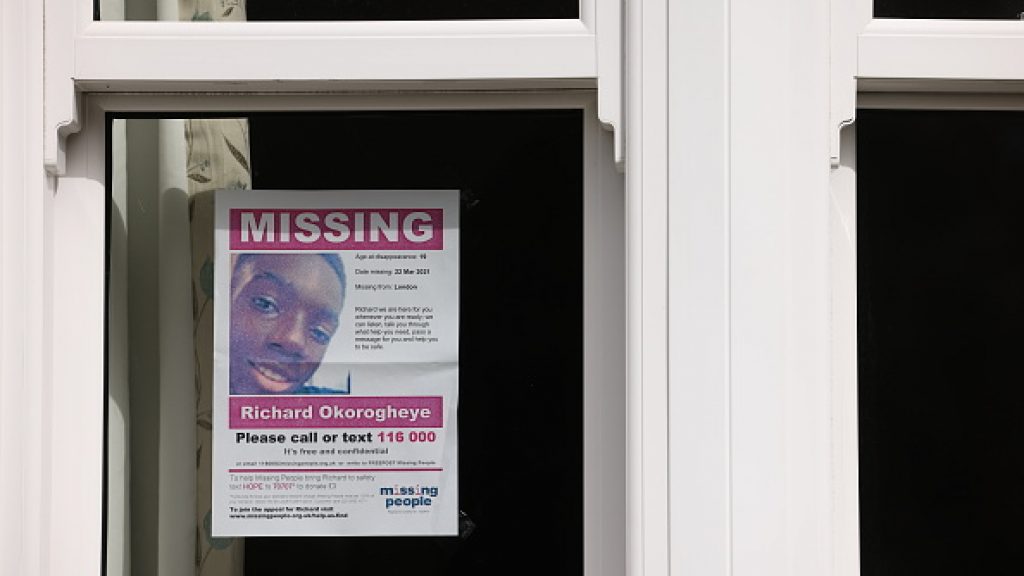
Richard Okorogheye went missing from his family home on 22 March
SHARE:
Two officers from the Metropolitan police have been served misconduct notices for failing to pass on information in relation to the disapperance of 19-year-old Richard Okorogheye.
The student went missing from his family home on 22 March and his body was found over a week later in Epping forest, Essex.
His mother, Ms Joel, reported his disappearance to Police on 23 March and later made complaints about how the police handled the reports of her son’s disappearance.
Richard had been living with sickle cell disease and been forced to shield during the pandemic.
The Independent Office for Police Conduct (IOPC) began investigating Ms Joel’s complaints in April.
In a statement they said that they would look at “whether the police responded appropriately to the concerns raised that Richard was missing.”
They also said they would “consider whether Richard’s or his mother’s ethnicity played a part in the way the initial reports of his disappearance were handled.”
A spokesperson from the IOPC on Friday said “We can confirm that we have served misconduct notices on two members of Metropolitan Police Service staff”.
What do the misconduct notices mean?
The IOPC has noted “The serving of misconduct notices does not mean that disciplinary proceedings will follow”.
They said that the notices had been given out because there was “an indication that they may have failed to pass on new and relevant information relating to Richard Okorogheye to the team responsible for conducting missing person assessments.”
In an interview with the Independent, Ms Joel said she believed her reports about her son’s disappearance were not taken seriously by Police.
Submitted Article
Headline
Short Headline
Standfirst
Published Article
HeadlineMisconduct notices served to police in Richard Okorogheye case
Short HeadlineRichard Okorogheye officers given misconduct notice
StandfirstMr Okorogheye's mother made complaints against two of the police officers looking into her son's disappearance
Two officers from the Metropolitan police have been served misconduct notices for failing to pass on information in relation to the disapperance of 19-year-old Richard Okorogheye.
The student went missing from his family home on 22 March and his body was found over a week later in Epping forest, Essex.
His mother, Ms Joel, reported his disappearance to Police on 23 March and later made complaints about how the police handled the reports of her son’s disappearance.
Richard had been living with sickle cell disease and been forced to shield during the pandemic.
The Independent Office for Police Conduct (IOPC) began investigating Ms Joel’s complaints in April.
In a statement they said that they would look at “whether the police responded appropriately to the concerns raised that Richard was missing.”
They also said they would “consider whether Richard’s or his mother’s ethnicity played a part in the way the initial reports of his disappearance were handled.”
A spokesperson from the IOPC on Friday said “We can confirm that we have served misconduct notices on two members of Metropolitan Police Service staff”.
What do the misconduct notices mean?
The IOPC has noted “The serving of misconduct notices does not mean that disciplinary proceedings will follow”.
They said that the notices had been given out because there was “an indication that they may have failed to pass on new and relevant information relating to Richard Okorogheye to the team responsible for conducting missing person assessments.”
In an interview with the Independent, Ms Joel said she believed her reports about her son’s disappearance were not taken seriously by Police.
A 2024 Freedom of Information request showed Bromley Council had £4.5 million invested in arms companies that year with £1.5 million reportedly linked to Israel.
Undercover officers raided three linked shops in Barking town centre, revealing how illicit tobacco is being hidden in walls, ceilings and nearby locations to evade detection.
More than 330,000 people across the UK sought support from the Stop It Now helpline in 2025 over concerns about their own or someone else’s online sexual behaviour towards children, according to new charity data. The anonymous service says contacts by phone, email and webchat rose significantly over the year.