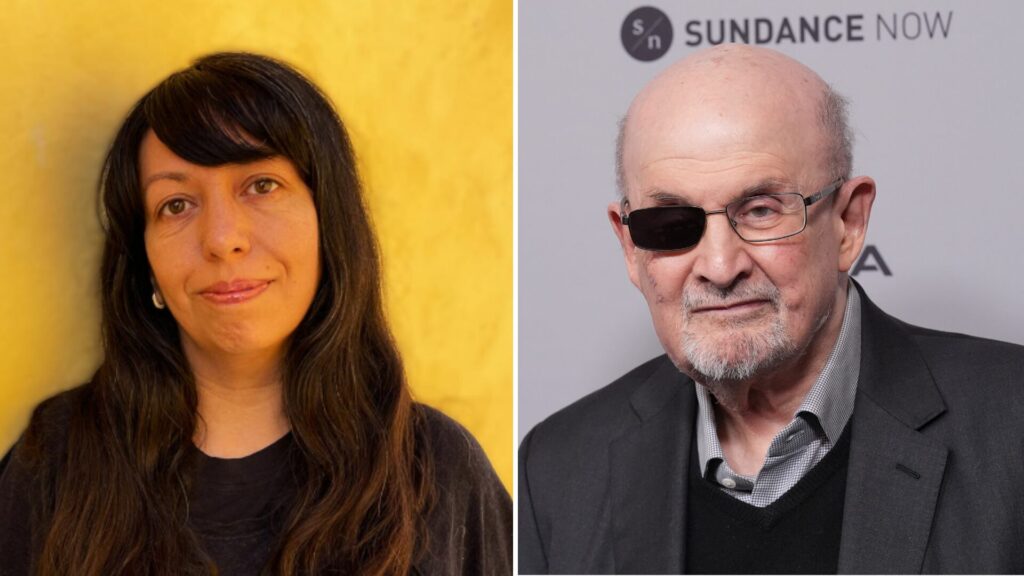
Devyani Saltzman and Salman Rushdie: the letter expressed ‘profound disappointment and alarm’ at Saltzman’s departure from the Barbican (Paul Saltzman; AP Photo/Chris Pizzello)
SHARE:
The Barbican Centre is facing a growing cultural backlash after more than 170 artists, writers and creative figures – including Salman Rushdie – signed an open letter demanding transparency over the sudden departure of its Director for Arts and Participation, Devyani Saltzman.
Saltzman, who joined the institution in February 2024, will leave in May after just over a year in post. The Barbican has said her role no longer exists due to “organisational change” but has declined further comment, describing the matter as confidential.
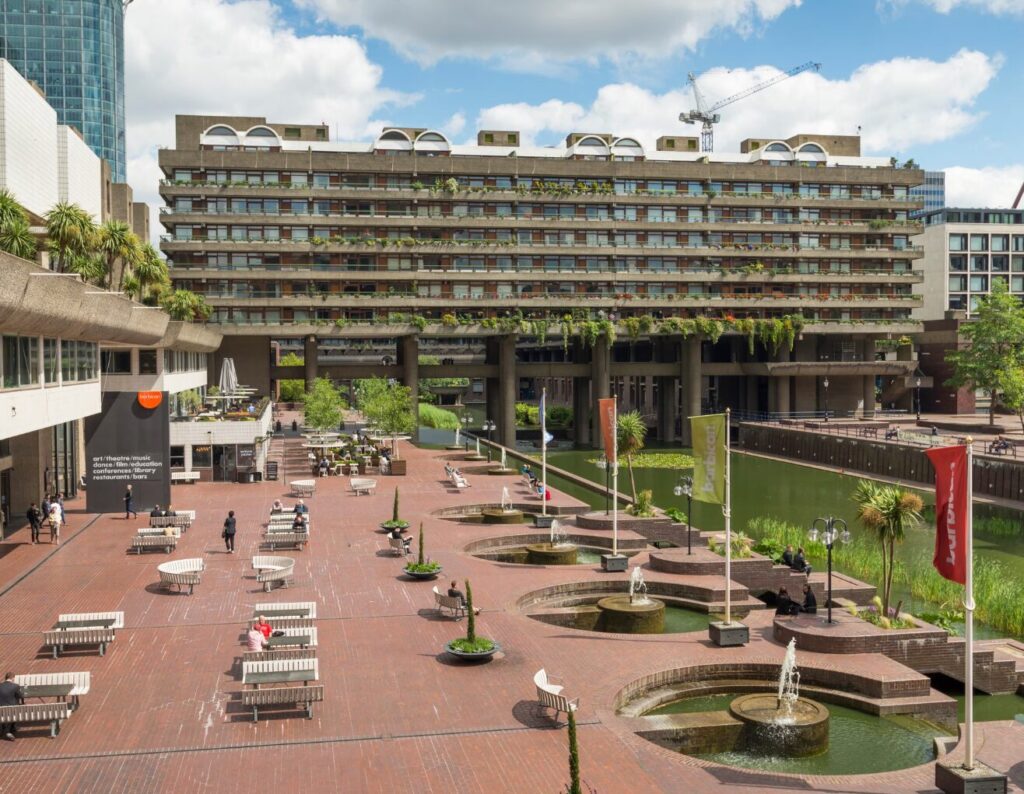
The Barbican Centre, which is facing renewed scrutiny over leadership and diversity as it prepares for a major redevelopment. (Universal Images Group/Getty Images)
A letter of “profound disappointment and alarm”
The letter, authored by a group describing themselves as “global majority creative and cultural leaders and allies”, expresses “profound disappointment and alarm” at the decision. Signatories include artists Jasleen Kaur, John Akomfrah and Isaac Julien; writers Pankaj Mishra and Kiran Desai; musician Nitin Sawhney; and composer Anoushka Shankar.
They argue that removing one of the few South Asian women to hold a senior artistic leadership role at the Barbican “raises serious questions about the institution’s commitment to sustaining global majority leadership at the highest levels”.
The signatories are calling on the Barbican’s board and its principal funder, the City of London Corporation, to explain the process behind the decision, publish up-to-date diversity data on senior leadership, commission an independent review into how senior appointments and exits are handled, and ensure future recruitment is developed in partnership with racially minoritised communities.
A difficult history on race
The letter lands amid longstanding tensions over race at the Barbican. In 2021, staff described the institution as “institutionally racist”, prompting the resignation of its managing director at the time. The Barbican subsequently committed to an anti-racist programme of change.
Saltzman had been appointed under a restructured leadership model and became a prominent public face of the organisation, speaking about the need for London’s cultural institutions to better reflect the city’s diversity. Her departure, the letter says, sends “a troubling message” to artists and audiences who saw her appointment as a rare sign of progress.
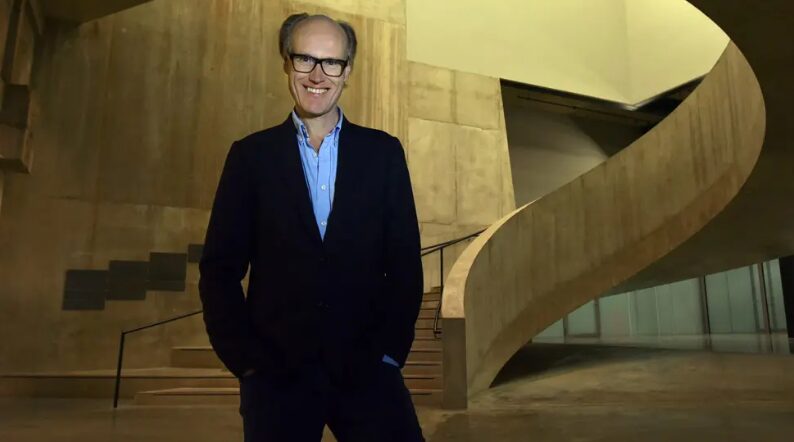
Will Gompertz at the Barbican Centre, London. (BBC)
Turbulence at the top
Her exit is the latest in a series of senior departures. Will Gompertz — formerly the BBC’s Arts Editor — left after two years to join Sir John Soane’s Museum. A former chief executive also departed in 2024.
The current chief executive, Abigail Pogson, is overseeing a major renewal project expected to cost £451m, including a planned 12-month closure from 2028.
Opened in 1982, the Barbican Centre now attracts more than 1.5 million visitors annually. With redevelopment on the horizon and questions mounting over leadership and diversity, the controversy risks becoming a defining moment for one of London’s flagship cultural institutions.
Submitted Article
Headline
Short Headline
Standfirst
Published Article
HeadlineSalman Rushdie among 170 signatories demanding answers over Barbican arts chief’s exit
Short HeadlineSalman Rushdie among 170 urging answers on Barbican Centre Chief’s Exit
StandfirstDeparture of Devyani Saltzman sparks open letter warning institution's commitment to diverse leadership is under question
The Barbican Centre is facing a growing cultural backlash after more than 170 artists, writers and creative figures – including Salman Rushdie – signed an open letter demanding transparency over the sudden departure of its Director for Arts and Participation, Devyani Saltzman.
Saltzman, who joined the institution in February 2024, will leave in May after just over a year in post. The Barbican has said her role no longer exists due to “organisational change” but has declined further comment, describing the matter as confidential.
The Barbican Centre, which is facing renewed scrutiny over leadership and diversity as it prepares for a major redevelopment. (Universal Images Group/Getty Images)
A letter of “profound disappointment and alarm”
The letter, authored by a group describing themselves as “global majority creative and cultural leaders and allies”, expresses “profound disappointment and alarm” at the decision. Signatories include artists Jasleen Kaur, John Akomfrah and Isaac Julien; writers Pankaj Mishra and Kiran Desai; musician Nitin Sawhney; and composer Anoushka Shankar.
They argue that removing one of the few South Asian women to hold a senior artistic leadership role at the Barbican “raises serious questions about the institution’s commitment to sustaining global majority leadership at the highest levels”.
The signatories are calling on the Barbican’s board and its principal funder, the City of London Corporation, to explain the process behind the decision, publish up-to-date diversity data on senior leadership, commission an independent review into how senior appointments and exits are handled, and ensure future recruitment is developed in partnership with racially minoritised communities.
A difficult history on race
The letter lands amid longstanding tensions over race at the Barbican. In 2021, staff described the institution as “institutionally racist”, prompting the resignation of its managing director at the time. The Barbican subsequently committed to an anti-racist programme of change.
Saltzman had been appointed under a restructured leadership model and became a prominent public face of the organisation, speaking about the need for London’s cultural institutions to better reflect the city’s diversity. Her departure, the letter says, sends “a troubling message” to artists and audiences who saw her appointment as a rare sign of progress.
Will Gompertz at the Barbican Centre, London. (BBC)
Turbulence at the top
Her exit is the latest in a series of senior departures. Will Gompertz — formerly the BBC’s Arts Editor — left after two years to join Sir John Soane’s Museum. A former chief executive also departed in 2024.
The current chief executive, Abigail Pogson, is overseeing a major renewal project expected to cost £451m, including a planned 12-month closure from 2028.
Opened in 1982, the Barbican Centre now attracts more than 1.5 million visitors annually. With redevelopment on the horizon and questions mounting over leadership and diversity, the controversy risks becoming a defining moment for one of London’s flagship cultural institutions.
To mark the launch of HBO Max, iconic movie sets land in London for a two-day immersive experience, letting visitors wander through worlds from Friends, Harry Potter, The White Lotus and Superman.
In a rare, candid interview, Blake Fielder-Civil opens up about the relationship that gripped a generation - and why he refuses to carry the guilt alone.
While awards season usually draws celebrities to Los Angeles, several A-listers have instead been spotted working on film and TV sets across the capital.