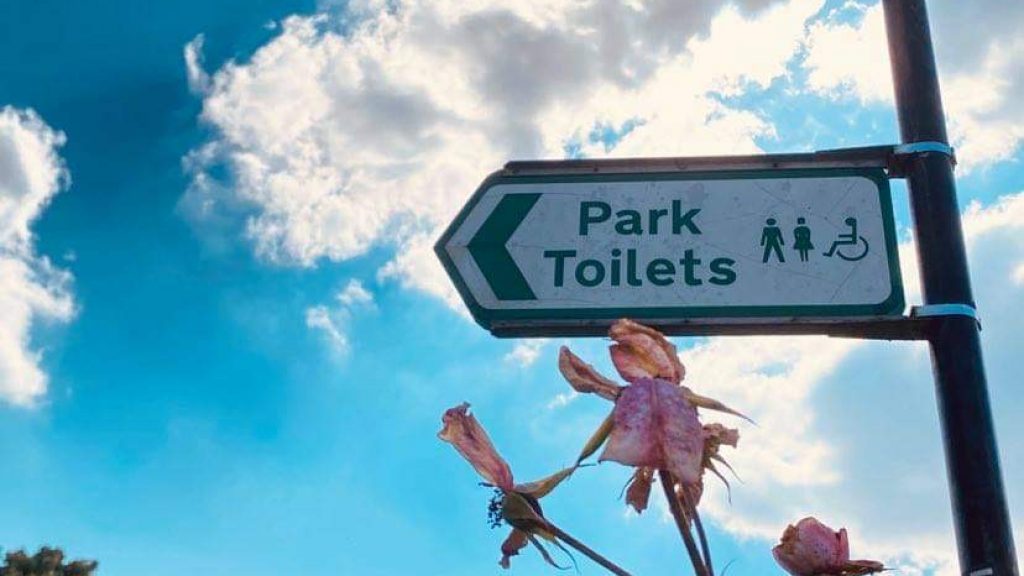
Exclusive data highlights inequalities in London’s public toilets
A freedom of information request containing data from several London boroughs has highlighted a lack of facilities for women and for those with disabilities.
New data has revealed inequalities in council-run public toilets
SHARE:
Exclusive City News data reveals that there are inequalities in the provision of public toilets in some London boroughs. This has caused anger in some parts of the capital due to the increased need for public spaces during the pandemic.
Responses to freedom of information requests revealed there are 1360 cubicles or urinals in 315 locations across the capital.
The data does not include ‘community scheme’ public toilets, whereby companies collaborate with councils to open their toilets for free public use, focussing only on toilets run by the councils themselves.
Gender disparity
The data found that men are able to use 65% of public toilets in London, whilst women are only able to use 57% of the capital’s facilities.
Lambeth is London’s worst-performing borough, with women only able to access two out of every three toilets available to men.
Lezlie Lowe, the author of No Place to Go, highlighted some of the problems. She said that “the environment is built for men, (and) that’s a form of sexism”, but “because it’s toilets no one wants to talk about it”.
“Cities are supposed to be for everybody and we need to change the way that the built environment serves different people”.
The British Toilet Association (BTA) says that less than half the number of public toilets compared to 10 years ago.
In addition, the BTA warns that 50% of women are suffering from toilet-related anxieties, particularly those with hidden bladder conditions.
INNOVO, a company that provides weak bladder treatment services to women, surveyed 2000 women across Britain aged 35 – 65. They found that 39% of the women struggled to access a public toilet since the easing of lockdown.
This concern is reflected on social media too, with an average of 100 tweets a day mentioning closed toilets in the UK. Google search data around incontinence has spiked since the lifting of lockdown.
Inaccessible toilets
The data also showed that over 8-in-10 public toilets are inaccessible to the disabled.
Camden and Barking & Dagenham councils provide the fewest accessible toilets, with zero and two respectively.
Lambeth and Greenwich are among the boroughs providing the most public toilets in total (with 165 and 119). But, only 5% and 6% respectively have disabled access.
Warren Kiwan, a spokesperson for Scope, a disability equality charity in the UK, said he was “surprised” by the figures:
“I thought they would be better by now… if you can’t get into or use an accessible loo, you can’t go places… it makes it very difficult to go out and about for more than a couple of hours.”
Around 14% of Londoners have a disability. Sara Sparrow is one of them, as well as being a special educational needs teacher.
“I think it’s a sign that most of society is geared towards able-bodied people. I think the people who are making the decisions at the councils show ignorance of the needs of disabled people.
“I’ve been told ‘just plan ahead’ but for lot’s of issues you can’t”.
A statement from the Ministry for Housing, Community and Local Government read:
“There needs to be a public service provision for everyone in our community and we expect councils to ensure adequate provision of public toilets.”
Lambeth Council has been contacted for comment but is yet to respond.
Submitted Article
Headline
Short Headline
Standfirst
Published Article
HeadlineExclusive data highlights inequalities in London’s public toilets
Short HeadlineExclusive: Inequalities in London’s public toilets
StandfirstA freedom of information request containing data from several London boroughs has highlighted a lack of facilities for women and for those with disabilities.
Exclusive City News data reveals that there are inequalities in the provision of public toilets in some London boroughs. This has caused anger in some parts of the capital due to the increased need for public spaces during the pandemic.
Responses to freedom of information requests revealed there are 1360 cubicles or urinals in 315 locations across the capital.
The data does not include ‘community scheme’ public toilets, whereby companies collaborate with councils to open their toilets for free public use, focussing only on toilets run by the councils themselves.
Gender disparity
The data found that men are able to use 65% of public toilets in London, whilst women are only able to use 57% of the capital’s facilities.
Lambeth is London’s worst-performing borough, with women only able to access two out of every three toilets available to men.
Lezlie Lowe, the author of No Place to Go, highlighted some of the problems. She said that “the environment is built for men, (and) that’s a form of sexism”, but “because it’s toilets no one wants to talk about it”.
“Cities are supposed to be for everybody and we need to change the way that the built environment serves different people”.
The British Toilet Association (BTA) says that less than half the number of public toilets compared to 10 years ago.
In addition, the BTA warns that 50% of women are suffering from toilet-related anxieties, particularly those with hidden bladder conditions.
INNOVO, a company that provides weak bladder treatment services to women, surveyed 2000 women across Britain aged 35 – 65. They found that 39% of the women struggled to access a public toilet since the easing of lockdown.
This concern is reflected on social media too, with an average of 100 tweets a day mentioning closed toilets in the UK. Google search data around incontinence has spiked since the lifting of lockdown.
Inaccessible toilets
The data also showed that over 8-in-10 public toilets are inaccessible to the disabled.
Camden and Barking & Dagenham councils provide the fewest accessible toilets, with zero and two respectively.
Lambeth and Greenwich are among the boroughs providing the most public toilets in total (with 165 and 119). But, only 5% and 6% respectively have disabled access.
Warren Kiwan, a spokesperson for Scope, a disability equality charity in the UK, said he was “surprised” by the figures:
“I thought they would be better by now… if you can’t get into or use an accessible loo, you can’t go places… it makes it very difficult to go out and about for more than a couple of hours.”
Around 14% of Londoners have a disability. Sara Sparrow is one of them, as well as being a special educational needs teacher.
“I think it’s a sign that most of society is geared towards able-bodied people. I think the people who are making the decisions at the councils show ignorance of the needs of disabled people.
“I’ve been told ‘just plan ahead’ but for lot’s of issues you can’t”.
A statement from the Ministry for Housing, Community and Local Government read:
“There needs to be a public service provision for everyone in our community and we expect councils to ensure adequate provision of public toilets.”
Lambeth Council has been contacted for comment but is yet to respond.
The unique Lambeth mural, created and maintained by bereaved volunteers for the past five years, is being made a permanent tribute to honour the lives lost during the pandemic.
A 2024 Freedom of Information request showed Bromley Council had £4.5 million invested in arms companies that year with £1.5 million reportedly linked to Israel.
Undercover officers raided three linked shops in Barking town centre, revealing how illicit tobacco is being hidden in walls, ceilings and nearby locations to evade detection.
More than 330,000 people across the UK sought support from the Stop It Now helpline in 2025 over concerns about their own or someone else’s online sexual behaviour towards children, according to new charity data. The anonymous service says contacts by phone, email and webchat rose significantly over the year.