Helen Couchman spent her younger years on a sheep farm in Wales. Each morning she would wait to be taken to school, and she would draw the hills ahead of her while she did so. Ever since, art has been what she considers a part of her—a lifestyle.
“As a child it really appealed to me,” she recalls. “It was imaginary, it was colourful, it was exciting. For me, it was a little bit of escapism. It’s always been— and still is—a place to think about things”.
Helen would later move to London in 1991 to study Fine Art at Sir John Cass, and then complete a masters in Critical Fine Art Practice at Central Martins.
Despite finding a Brick Lane studio to work in very soon after her studies, rising rent prices meant she eventually lost the creative space—a stumble in her career she struggled with at first, but later saw as a blessing.
“I felt like it was a real threat to how I could continue. But looking back, I realised what happened was it made me very creative about where I worked and how I worked, and it was probably quite instrumental in having me work abroad as much as I have”.
Helen often spends long stretches of time in one place and produces pieces that reflect the environment she is in. She considers travelling an opportunity to broaden her understanding of the world, and channels this into her art.
One of her most recognised pieces of work was her first book titled ‘WORKERS’, which is a collection of portraits of workers on the Beijing Olympic complex.
“Beijing was changing very rapidly, and I just thought the people who might not be recognised or recorded in this might be the working force.
“So I went to the Olympic Stadium while it was in construction and asked the workers there if I could take their portrait, and ask them to sign their name and where they came from. The idea was to make a sort of autograph of these people and make them present in the situation”.
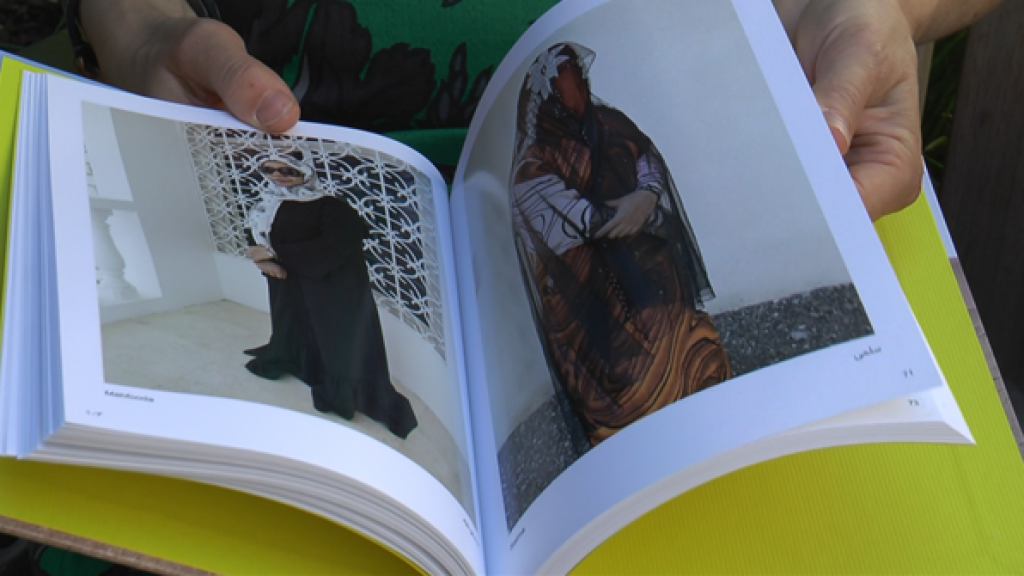
Fast-changing landscapes and changes in community are subjects Helen frequently explores in her work, as well as investigating fashion and its relationship with individual identity.
When looking back on her career and her younger self, Helen instantly thinks of courage, and how essential it has been in her career.
“I would say to myself to have more courage, and trust your instincts. You have the passion for something and should not be swerved by institutional decisions made on your behalf.
[Working as an artist] is really a challenge and there were certainly moments where I didn’t regret doing it, but it was definitely threatened because of the practicalities of living.
“The reality is it’s actually down to you, and you need to have courage”.
Submitted Article
Headline
Short Headline
Standfirst
Published Article
HeadlineWelsh-born artist says art is “all about courage”
Short HeadlineWelsh-born artist says art is "about courage"
StandfirstLosing her art studio pushed Helen Couchman to travel the world and broaden her creativity, including publishing her first book
Helen Couchman spent her younger years on a sheep farm in Wales. Each morning she would wait to be taken to school, and she would draw the hills ahead of her while she did so. Ever since, art has been what she considers a part of her—a lifestyle.
“As a child it really appealed to me,” she recalls. “It was imaginary, it was colourful, it was exciting. For me, it was a little bit of escapism. It’s always been— and still is—a place to think about things”.
Helen would later move to London in 1991 to study Fine Art at Sir John Cass, and then complete a masters in Critical Fine Art Practice at Central Martins.
Despite finding a Brick Lane studio to work in very soon after her studies, rising rent prices meant she eventually lost the creative space—a stumble in her career she struggled with at first, but later saw as a blessing.
“I felt like it was a real threat to how I could continue. But looking back, I realised what happened was it made me very creative about where I worked and how I worked, and it was probably quite instrumental in having me work abroad as much as I have”.
Helen often spends long stretches of time in one place and produces pieces that reflect the environment she is in. She considers travelling an opportunity to broaden her understanding of the world, and channels this into her art.
One of her most recognised pieces of work was her first book titled ‘WORKERS’, which is a collection of portraits of workers on the Beijing Olympic complex.
“Beijing was changing very rapidly, and I just thought the people who might not be recognised or recorded in this might be the working force.
“So I went to the Olympic Stadium while it was in construction and asked the workers there if I could take their portrait, and ask them to sign their name and where they came from. The idea was to make a sort of autograph of these people and make them present in the situation”.
Fast-changing landscapes and changes in community are subjects Helen frequently explores in her work, as well as investigating fashion and its relationship with individual identity.
When looking back on her career and her younger self, Helen instantly thinks of courage, and how essential it has been in her career.
“I would say to myself to have more courage, and trust your instincts. You have the passion for something and should not be swerved by institutional decisions made on your behalf.
[Working as an artist] is really a challenge and there were certainly moments where I didn’t regret doing it, but it was definitely threatened because of the practicalities of living.
“The reality is it’s actually down to you, and you need to have courage”.
As the weather turns, City News has spoken to a long-term rough sleeper to see how those on the street feel about Andy Burnham’s plan to end homelessness and the upcoming winter.