The hospital has a specialist cancer care centre and a urgent care unit.
SHARE:
Bus journeys to a Northwood hospital could become 70% more expensive than others, due to changes in the national fare cap.
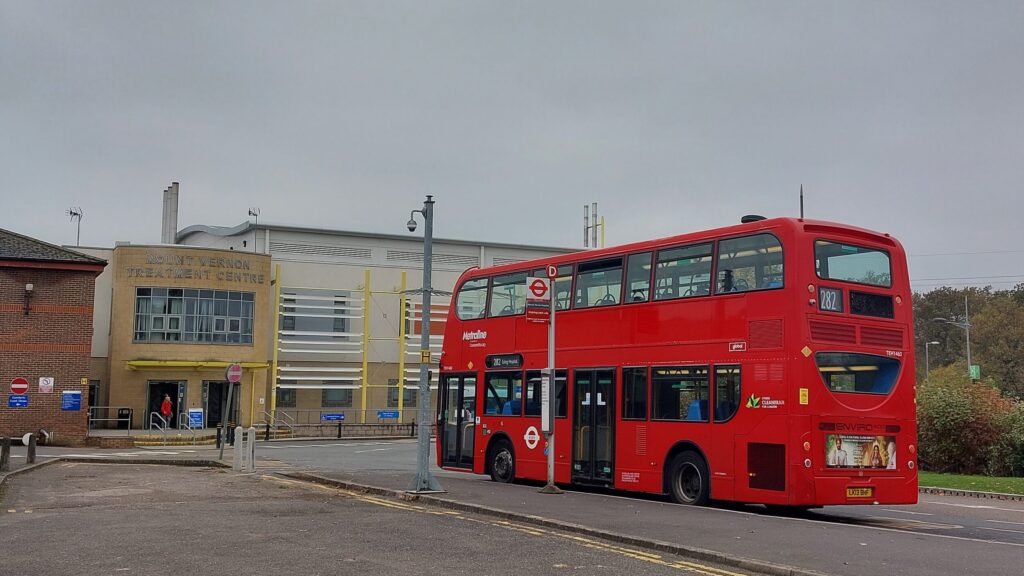
Mount Vernon Hospital, a specialist cancer care centre, is served by both Transport for London (TfL) buses and routes operated by other companies.
While a single TfL journey will remain at £1.75, an increase in the national fare cap to £3 will mean these other routes will become more expensive.
Patients, staff and visitors would pay a different amount for near-identical journeys, even if starting from the same location.
‘Local buses are a lifeline for those that use public transport to reach the hospital. This change will be an added worry for those that need to make multiple trips to the hospital at a very challenging time.’
Rosemary, retired Cancer Administration Officer at Mount Vernon Cancer Care Centre
For example, the TfL 331 and the Red Eagle R1/R2 stop in the same places in Harefield, but the latter will cost passengers more to ride. Passengers on the 328 service from Abbots Langley, north of Watford, will also see their fares increase.
National cap rises from £2
In a pre-Budget speech, Prime Minister Sir Keir Starmer announced £151m of funding to extend the cap beyond December, when it was due to expire.
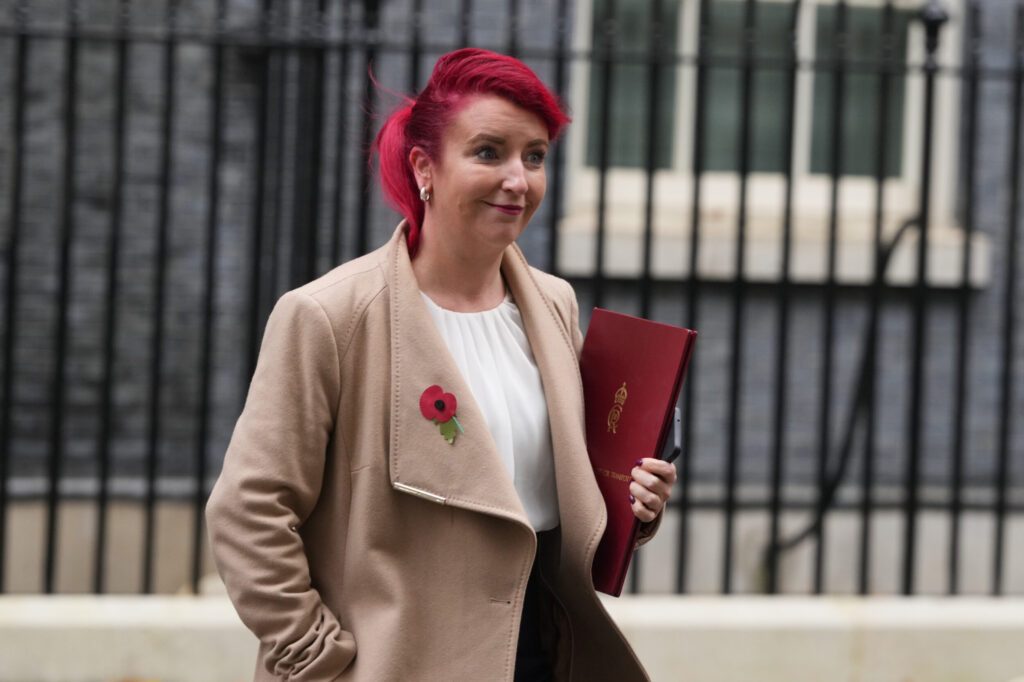
Louise Haigh, Secretary of State for Transport, said: “The fare cap will help millions access better opportunities and promote greater use by passengers.”
Louise Haigh said the Government was avoiding a “cliff-edge” in the fare cap scheme. (Kirsty Wigglesworth/AP Photo)
Silviya Barrett, from the Campaign for Better Transport, was “pleased” to see a cap remain in place. But she added that: “Taking the bus should never be a financial burden and while we welcome efforts to keep bus fares affordable, this is a significant increase that could be costly to many.”
However, the head of a trade union representing travel and transport employees called the cap hike a “mistake”.
‘This decision will hit hardest on those struggling the most, the very opposite of what Labour stands for.’
Maryam Eslamdoust, General Secretary of the Transport Salaried Staffs’ Association
The new cap will come into effect on 1 January 2025, and will last for the duration of the year.
Submitted Article
Headline
Short Headline
Standfirst
Published Article
HeadlineBuses to Mount Vernon Hospital impacted by rise in national cap
Short HeadlineBus cap rise impacts London cancer care centre
StandfirstFares on non-TfL services in London will increase to £3 next year.
Bus journeys to a Northwood hospital could become 70% more expensive than others, due to changes in the national fare cap.
Mount Vernon Hospital, a specialist cancer care centre, is served by both Transport for London (TfL) buses and routes operated by other companies.
While a single TfL journey will remain at £1.75, an increase in the national fare cap to £3 will mean these other routes will become more expensive.
Patients, staff and visitors would pay a different amount for near-identical journeys, even if starting from the same location.
‘Local buses are a lifeline for those that use public transport to reach the hospital. This change will be an added worry for those that need to make multiple trips to the hospital at a very challenging time.’
Rosemary, retired Cancer Administration Officer at Mount Vernon Cancer Care Centre
For example, the TfL 331 and the Red Eagle R1/R2 stop in the same places in Harefield, but the latter will cost passengers more to ride. Passengers on the 328 service from Abbots Langley, north of Watford, will also see their fares increase.
National cap rises from £2
In a pre-Budget speech, Prime Minister Sir Keir Starmer announced £151m of funding to extend the cap beyond December, when it was due to expire.
Louise Haigh, Secretary of State for Transport, said: “The fare cap will help millions access better opportunities and promote greater use by passengers.”
Louise Haigh said the Government was avoiding a “cliff-edge” in the fare cap scheme. (Kirsty Wigglesworth/AP Photo)
Silviya Barrett, from the Campaign for Better Transport, was “pleased” to see a cap remain in place. But she added that: “Taking the bus should never be a financial burden and while we welcome efforts to keep bus fares affordable, this is a significant increase that could be costly to many.”
However, the head of a trade union representing travel and transport employees called the cap hike a “mistake”.
‘This decision will hit hardest on those struggling the most, the very opposite of what Labour stands for.’
Maryam Eslamdoust, General Secretary of the Transport Salaried Staffs’ Association
The new cap will come into effect on 1 January 2025, and will last for the duration of the year.
A 39-year-old cyclist was killed in South East London after a collision with a lorry. A "ghost bike" has been placed near the site of the collision to warn future riders.
A 2024 Freedom of Information request showed Bromley Council had £4.5 million invested in arms companies that year with £1.5 million reportedly linked to Israel.
Undercover officers raided three linked shops in Barking town centre, revealing how illicit tobacco is being hidden in walls, ceilings and nearby locations to evade detection.
More than 330,000 people across the UK sought support from the Stop It Now helpline in 2025 over concerns about their own or someone else’s online sexual behaviour towards children, according to new charity data. The anonymous service says contacts by phone, email and webchat rose significantly over the year.