From ‘The Holiday’ to Social Media: How Home Swapping is Redefining Travel
Rising costs and the influence of social media are leading more people to exchange homes as an alternative to traditional travel accommodation. This growing trend is supported by online communities and platforms and is fundamentally reshaping how people travel.
A growing number of people are turning to home swapping. A trend amplified by social media, and in part fuelled by the concept seen in 2006 romantic comedy, ‘The Holiday’.
Posts across social media platforms such as TikTok and Instagram show users offering up their homes to ‘swap’ with strangers. Many are keen to do so in order to travel to dream destinations without added accommodation costs.
Rising Costs to Travel
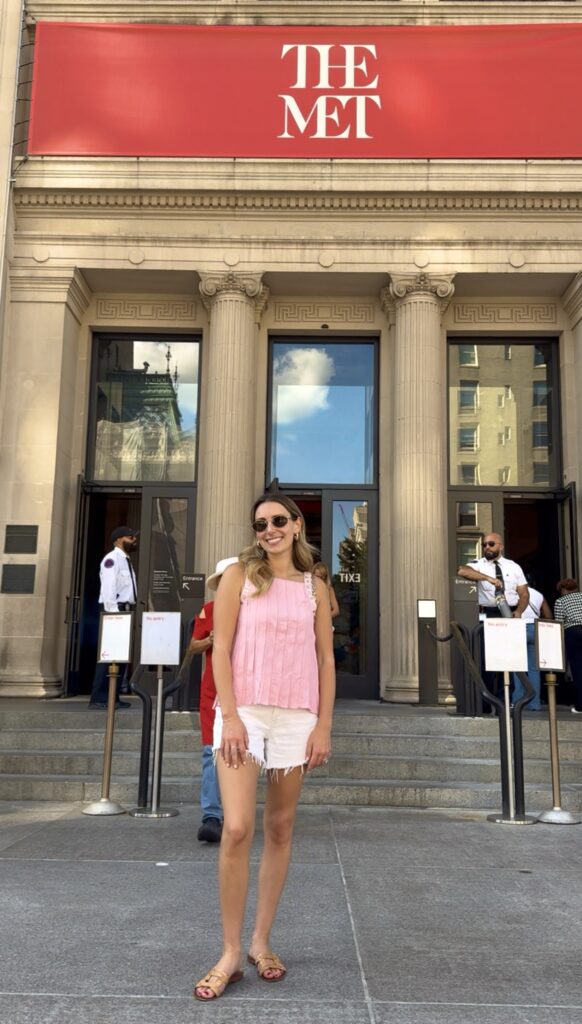
Mikaela, who is based in New York attempted to arrange a swap in London by posting on social media.
Mikaela who was looking to swap homes from New York City to London.
Mikaela said, “Hotels are really expensive, and it feels more comfortable to be in a home where you can make your own meals and come and go as you please”.
London is one of the most expensive cities to visit. Hotel prices can exceed £200 a night during peak travel months. The practice of home swapping bypasses hotel costs and is growing traction as a popular method of travelling.
There are popular home exchange platforms such as Kindred and HomeExchange. Many come with membership fees which may deter younger travellers who want to travel on a budget.
As a result, exchanges begin in unregulated spaces. Posts on social media detail individual’s flats and without verification or formal agreements, the process relies solely on trust.
Home Swapping via Social Media
Ellecia, who lives in London, posted a video looking to swap online.
reposting because I’m still looking for a lovely house swap in Paris over the Christmas holidays 🇫🇷🇬🇧🎄 please reach out if you’re interested ✨❤️ #houseswap#theholiday#apartmentswap#paris#london
She said, “I’d obviously seen ‘The Holiday’ and thought, let’s see if anyone would be interested in doing a house swap.”
Ellecia has a confirmed swap in France. She described her experience of looking for potential swaps.
“I thought, I’m just going to try social media. I’ve had more traction on social media than on the actual house-swapping apps.”
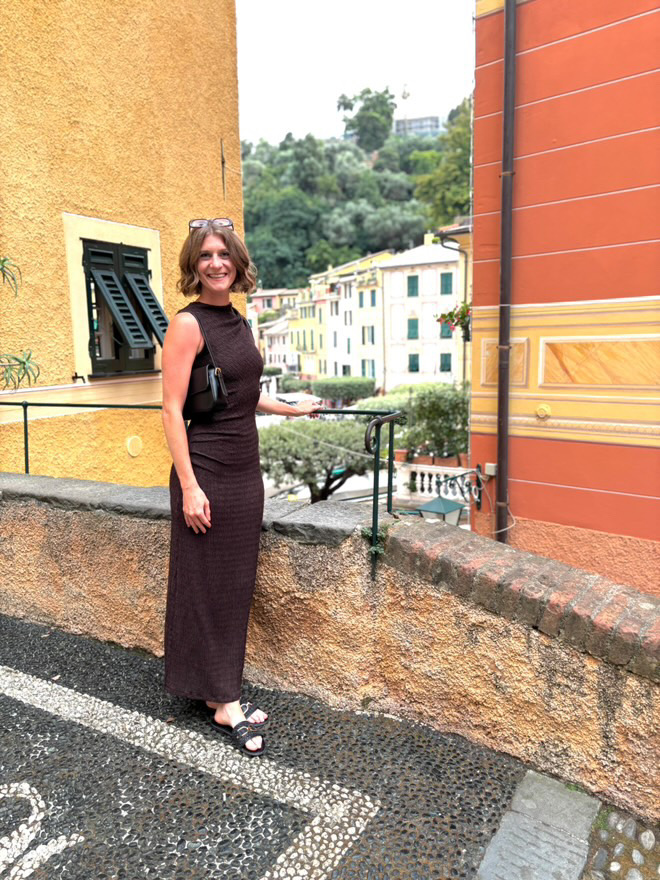
Ellecia, who lives in London. She will be taking part in a home swap this year.
Why do travellers choose to home swap?
Kindred shared internal data with City News. The company has seen a 145% year on year increase in UK members planning home swapping trips to Los Angeles this December.
Los Angeles is a location that was heavily featured in The Holiday.
Further research commissioned by Kindred found that 44% of young Brits say the film The Holiday inspired them to consider home swapping themselves.
CEO and Co-Founder of Kindred, Justine Palefsky said home swapping offers a sense of connection that appeals to travellers.
“When you swap homes, you step into someone else’s everyday world- suddenly, travel becomes richer: Palefsky added that Kindred’s approach focuses on “taking care of the practical elements” to allow users to exchange homes more securely.
Despite the safeguards formal platforms may offer, some say the flexibility of organising swaps independently is more appealing.
Trust and Safety
Mikaela received many responses following her post, but none that led to a confirmed swap in London, her preferred destination.
“Everyone who responded seemed pretty legitimate,” she said. “But people in London, just ghosted me.” When discussing whether Mikaela turned to verified platforms, she mentioned that the options available weren’t what she was looking for.
For Mikaela, the attraction of organising a swap herself could mean less complexity.
“I thought it would be easier to meet someone and just do an even swap,” she said. “Platforms charge fees, and it felt like more of a hassle. I didn’t want to coordinate multiple stays or move between different places.”
Safety and trust remained central concerns. Mikaela intended to speak with potential swappers on video calls multiple times, draw up an agreement, and lock personal belongings away.
“I’m a good judge of character,” she said.
Despite the interest, Mikaela believes only a small fraction of people who express curiosity would go through with an actual swap. “Maybe one percent,” she said. “The logistics are what make it hard.”
Similarly, Ellecia said that “If someone has the same view that I do- that you’re both trusting each other , that gives me confidence”. She also mentioned that “There’s an underlying trust, and having that mentality, could be a beautiful thing.”
HomeExchange, a home swapping platform that has existed for over 30 years have 24/7 support available for their members.
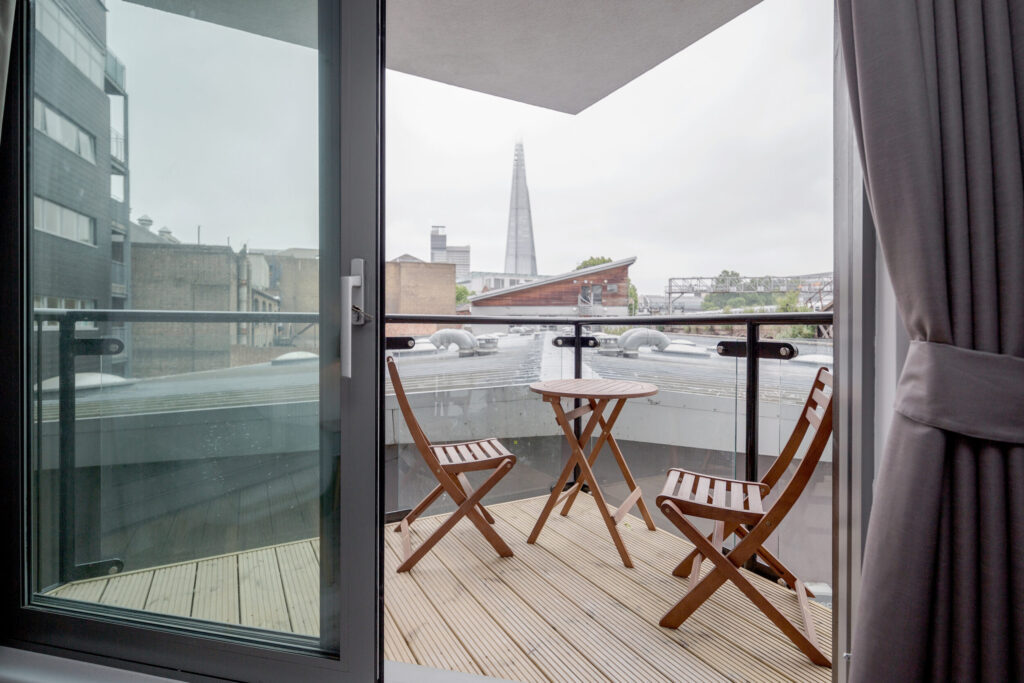
A home in London that is available to swap to via HomeExchange.
“Our team have extensive guarantees in place, if something were to go wrong, like your host is sick and can’t have you come stay, our team will step in.”
The appeal for younger travellers
The Holiday, combined with social media continues to inspire a new generation of travellers.
“Years ago, we would have said our demographic was older. But when TikTok really started having the home-swapping trend pop up, this younger demographic started to get interested in it,” a HomeExchange spokesperson said.
“I hope the sharing economy as a whole continues to grow because I think that benefits all of us within it”.
HomeExchange value community and many of their members choose to home swap for the local experience that becomes available to them.
Start-up SwapSpace says interest is growing in the home swapping market, particularly among young travellers seeking ways to stretch limited budgets.
“Travel accommodation has become incredibly expensive,” Ola Alabi, co-founder of SwapSpace said, and it positions itself as a platform designed for young professionals.
“The money saved through swapping means you can travel for longer and have more to spend on experiences,” Alabi said.
Home swapping isn’t a new concept. It acts as a cost saving option to travel, but it also offers up the chance for global connection and experiencing life from different perspectives. For travellers like Ellecia and Mikaela, the opportunity to step into someone else’s home is exciting and easens their travel experience.
Platforms such as HomeExchange, Kindred and SwapSpace are trying to regulate this experience and make it more accessible.
Whether organised independently or through a verified platform, home swapping offers a glimpse into a different kind of travel.
And for those willing to take the chance, swapping homes might be the key to travelling in a more personal way.
Submitted Article
Headline
Short Headline
Standfirst
Published Article
HeadlineFrom ‘The Holiday’ to Social Media: How Home Swapping is Redefining Travel
Short HeadlineHome Swapping: A New Way to Travel
StandfirstRising costs and the influence of social media are leading more people to exchange homes as an alternative to traditional travel accommodation. This growing trend is supported by online communities and platforms and is fundamentally reshaping how people travel.
A growing number of people are turning to home swapping. A trend amplified by social media, and in part fuelled by the concept seen in 2006 romantic comedy, ‘The Holiday’.
Posts across social media platforms such as TikTok and Instagram show users offering up their homes to ‘swap’ with strangers. Many are keen to do so in order to travel to dream destinations without added accommodation costs.
Rising Costs to Travel
Mikaela, who is based in New York attempted to arrange a swap in London by posting on social media.
Mikaela who was looking to swap homes from New York City to London.
Mikaela said, “Hotels are really expensive, and it feels more comfortable to be in a home where you can make your own meals and come and go as you please”.
London is one of the most expensive cities to visit. Hotel prices can exceed £200 a night during peak travel months. The practice of home swapping bypasses hotel costs and is growing traction as a popular method of travelling.
There are popular home exchange platforms such as Kindred and HomeExchange. Many come with membership fees which may deter younger travellers who want to travel on a budget.
As a result, exchanges begin in unregulated spaces. Posts on social media detail individual’s flats and without verification or formal agreements, the process relies solely on trust.
Home Swapping via Social Media
Ellecia, who lives in London, posted a video looking to swap online.
reposting because I’m still looking for a lovely house swap in Paris over the Christmas holidays 🇫🇷🇬🇧🎄 please reach out if you’re interested ✨❤️ #houseswap#theholiday#apartmentswap#paris#london
She said, “I’d obviously seen ‘The Holiday’ and thought, let’s see if anyone would be interested in doing a house swap.”
Ellecia has a confirmed swap in France. She described her experience of looking for potential swaps.
“I thought, I’m just going to try social media. I’ve had more traction on social media than on the actual house-swapping apps.”
Ellecia, who lives in London. She will be taking part in a home swap this year.
Why do travellers choose to home swap?
Kindred shared internal data with City News. The company has seen a 145% year on year increase in UK members planning home swapping trips to Los Angeles this December.
Los Angeles is a location that was heavily featured in The Holiday.
Further research commissioned by Kindred found that 44% of young Brits say the film The Holiday inspired them to consider home swapping themselves.
CEO and Co-Founder of Kindred, Justine Palefsky said home swapping offers a sense of connection that appeals to travellers.
“When you swap homes, you step into someone else’s everyday world- suddenly, travel becomes richer: Palefsky added that Kindred’s approach focuses on “taking care of the practical elements” to allow users to exchange homes more securely.
Despite the safeguards formal platforms may offer, some say the flexibility of organising swaps independently is more appealing.
Trust and Safety
Mikaela received many responses following her post, but none that led to a confirmed swap in London, her preferred destination.
“Everyone who responded seemed pretty legitimate,” she said. “But people in London, just ghosted me.” When discussing whether Mikaela turned to verified platforms, she mentioned that the options available weren’t what she was looking for.
For Mikaela, the attraction of organising a swap herself could mean less complexity.
“I thought it would be easier to meet someone and just do an even swap,” she said. “Platforms charge fees, and it felt like more of a hassle. I didn’t want to coordinate multiple stays or move between different places.”
Safety and trust remained central concerns. Mikaela intended to speak with potential swappers on video calls multiple times, draw up an agreement, and lock personal belongings away.
“I’m a good judge of character,” she said.
Despite the interest, Mikaela believes only a small fraction of people who express curiosity would go through with an actual swap. “Maybe one percent,” she said. “The logistics are what make it hard.”
Similarly, Ellecia said that “If someone has the same view that I do- that you’re both trusting each other , that gives me confidence”. She also mentioned that “There’s an underlying trust, and having that mentality, could be a beautiful thing.”
HomeExchange, a home swapping platform that has existed for over 30 years have 24/7 support available for their members.
A home in London that is available to swap to via HomeExchange.
“Our team have extensive guarantees in place, if something were to go wrong, like your host is sick and can’t have you come stay, our team will step in.”
The appeal for younger travellers
The Holiday, combined with social media continues to inspire a new generation of travellers.
“Years ago, we would have said our demographic was older. But when TikTok really started having the home-swapping trend pop up, this younger demographic started to get interested in it,” a HomeExchange spokesperson said.
“I hope the sharing economy as a whole continues to grow because I think that benefits all of us within it”.
HomeExchange value community and many of their members choose to home swap for the local experience that becomes available to them.
Start-up SwapSpace says interest is growing in the home swapping market, particularly among young travellers seeking ways to stretch limited budgets.
“Travel accommodation has become incredibly expensive,” Ola Alabi, co-founder of SwapSpace said, and it positions itself as a platform designed for young professionals.
“The money saved through swapping means you can travel for longer and have more to spend on experiences,” Alabi said.
Home swapping isn’t a new concept. It acts as a cost saving option to travel, but it also offers up the chance for global connection and experiencing life from different perspectives. For travellers like Ellecia and Mikaela, the opportunity to step into someone else’s home is exciting and easens their travel experience.
Platforms such as HomeExchange, Kindred and SwapSpace are trying to regulate this experience and make it more accessible.
Whether organised independently or through a verified platform, home swapping offers a glimpse into a different kind of travel.
And for those willing to take the chance, swapping homes might be the key to travelling in a more personal way.
A 2024 Freedom of Information request showed Bromley Council had £4.5 million invested in arms companies that year with £1.5 million reportedly linked to Israel.
Undercover officers raided three linked shops in Barking town centre, revealing how illicit tobacco is being hidden in walls, ceilings and nearby locations to evade detection.
More than 330,000 people across the UK sought support from the Stop It Now helpline in 2025 over concerns about their own or someone else’s online sexual behaviour towards children, according to new charity data. The anonymous service says contacts by phone, email and webchat rose significantly over the year.