How London’s members’ clubs are changing what “exclusive” looks like
For more than 300 years, London’s private members’ clubs have traded on exclusivity. Now, it is less about keeping people out and more about bringing the right people together.
Over the past five years, London has seen a surge in new private members’ clubs. Property consultancy Knight Frank has reported that more than 130 now operate across the capital, up from around 100 a decade ago.
Many of these venues still market themselves on “exclusivity”, but what that means is changing. For some clubs, the emphasis is shifting from keeping people out to curating who gets in. Membership is increasingly framed as access to a specific network, scene or community, rather than status alone.
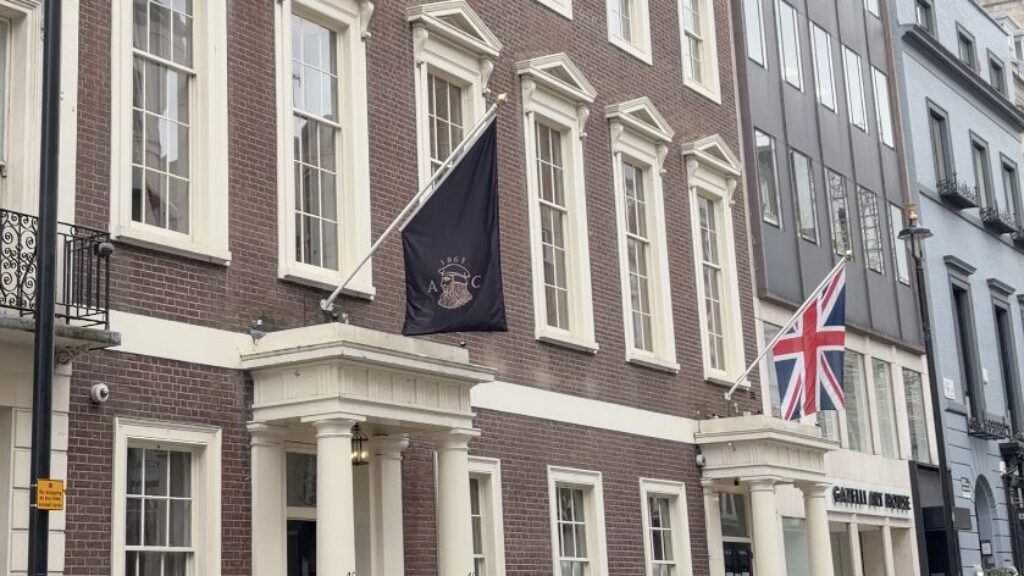
Private members’ clubs have long been part of London life. White’s, founded in 1693, is widely cited as one of the city’s earliest. For much of their history, these spaces were tightly controlled and expensive, with entry shaped by nomination systems, social connections and, in many cases, rules that excluded women.
Today, newer clubs often present a different offer. Some advertise lower fees, shorter waiting lists and fewer formal barriers to joining, which can make membership feel more attainable for some Londoners. Others lean into invite-only models that focus on a particular purpose. Beit Koti, which describes itself as a private hotel and creative residency with free, invitation-based access, is one example. In that model, the gatekeeping is less about money and more about fit, who the organisers think aligns with the space’s cultural aims.
“Society is different now,” says Kerrie Fuller, a consultant who works with membership organisations. “Previously privacy was paramount; it was about private rooms with those you trusted to do business.” Now, she argues, many clubs are selling something else: experiences, events and a sense of community.
Liam Bailey, Knight Frank’s global head of research, says the shift reflects changing tastes, particularly among younger members. He says clubs are increasingly “tapping into a broader zeitgeist”, with people “more interested in investing in experiences…and cultural worth”. Fuller links that to a wider London trend: a growing appetite for belonging, not just access.
Ihsan Kaan Mutlu, a young Londoner who has visited several private members’ clubs, agrees. “Clubs are a great place to meet like-minded people,” he says. “You know you’re going to have a good time.” For him, the draw is less about traditional status and more about the reliability of the atmosphere, a welcoming space, a lively crowd, and the promise of connection.
Mutlu says the new wave of clubs is “all about the people”, and argues that widening access is a positive change. “The more opportunities for a broader range of people to join can only be for the better,” he says.
That does not mean exclusivity has vanished. Instead, it has shifted shape. Clubs may be moving away from old barriers such as birth and wealth, but many are still selective, screening for shared interests, creativity, outlook or “fit”. In practice, that can look like curation as much as restriction.
Whether the underlying motivations have changed is less clear. Fuller points out that private members’ clubs are ultimately “profit, not mission driven”. Adapting their pitch may help them survive in a changing city, but the idea of exclusivity, and the way it is sold, could easily shift again.
Submitted Article
Headline
Short Headline
Standfirst
Published Article
HeadlineHow London’s members’ clubs are changing what “exclusive” looks like
Short HeadlineHow London’s private members’ clubs are redefining exclusivity
StandfirstFor more than 300 years, London’s private members’ clubs have traded on exclusivity. Now, it is less about keeping people out and more about bringing the right people together.
Over the past five years, London has seen a surge in new private members’ clubs. Property consultancy Knight Frank has reported that more than 130 now operate across the capital, up from around 100 a decade ago.
Many of these venues still market themselves on “exclusivity”, but what that means is changing. For some clubs, the emphasis is shifting from keeping people out to curating who gets in. Membership is increasingly framed as access to a specific network, scene or community, rather than status alone.
Private members’ clubs have long been part of London life. White’s, founded in 1693, is widely cited as one of the city’s earliest. For much of their history, these spaces were tightly controlled and expensive, with entry shaped by nomination systems, social connections and, in many cases, rules that excluded women.
Today, newer clubs often present a different offer. Some advertise lower fees, shorter waiting lists and fewer formal barriers to joining, which can make membership feel more attainable for some Londoners. Others lean into invite-only models that focus on a particular purpose. Beit Koti, which describes itself as a private hotel and creative residency with free, invitation-based access, is one example. In that model, the gatekeeping is less about money and more about fit, who the organisers think aligns with the space’s cultural aims.
“Society is different now,” says Kerrie Fuller, a consultant who works with membership organisations. “Previously privacy was paramount; it was about private rooms with those you trusted to do business.” Now, she argues, many clubs are selling something else: experiences, events and a sense of community.
Liam Bailey, Knight Frank’s global head of research, says the shift reflects changing tastes, particularly among younger members. He says clubs are increasingly “tapping into a broader zeitgeist”, with people “more interested in investing in experiences…and cultural worth”. Fuller links that to a wider London trend: a growing appetite for belonging, not just access.
Ihsan Kaan Mutlu, a young Londoner who has visited several private members’ clubs, agrees. “Clubs are a great place to meet like-minded people,” he says. “You know you’re going to have a good time.” For him, the draw is less about traditional status and more about the reliability of the atmosphere, a welcoming space, a lively crowd, and the promise of connection.
Mutlu says the new wave of clubs is “all about the people”, and argues that widening access is a positive change. “The more opportunities for a broader range of people to join can only be for the better,” he says.
That does not mean exclusivity has vanished. Instead, it has shifted shape. Clubs may be moving away from old barriers such as birth and wealth, but many are still selective, screening for shared interests, creativity, outlook or “fit”. In practice, that can look like curation as much as restriction.
Whether the underlying motivations have changed is less clear. Fuller points out that private members’ clubs are ultimately “profit, not mission driven”. Adapting their pitch may help them survive in a changing city, but the idea of exclusivity, and the way it is sold, could easily shift again.
A 2024 Freedom of Information request showed Bromley Council had £4.5 million invested in arms companies that year with £1.5 million reportedly linked to Israel.
Undercover officers raided three linked shops in Barking town centre, revealing how illicit tobacco is being hidden in walls, ceilings and nearby locations to evade detection.
More than 330,000 people across the UK sought support from the Stop It Now helpline in 2025 over concerns about their own or someone else’s online sexual behaviour towards children, according to new charity data. The anonymous service says contacts by phone, email and webchat rose significantly over the year.