The Southbank Centre has divided Londoners ever since it was first built in 1967. At the time, the Daily Mail ran a poll of engineers who declared it Britain’s “ugliest” building. Now, following approval from Heritage Minister Baroness Twycross, it has been Grade-II listed.
But with the Royal Festival Hall next door having been Grade-I listed in 1988, and the National Theatre on the other side being Grade-II* listed in 1994, the Southbank Centre’s lack of protection had made it an anomaly.
The Twentieth Century Society has been campaigning for the Queen Elizabeth Hall, Purcell Room, and Hayward Gallery to be protected since 1991, campaigns director Oli Marshall reckons that this was the organisation’s fifth or sixth application.
“Over time the case for listing it has only become stronger – if it wasn’t listed at this point there was a question as to if it ever would be,” says Marshall.
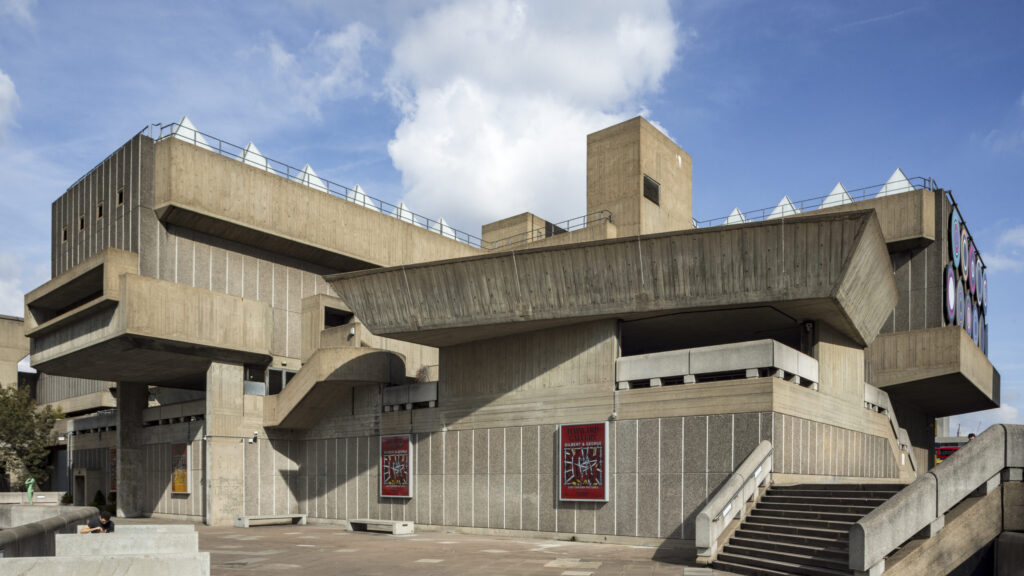
The Southbank Centre is flanked by the National Theatre and Royal Festival Hall. Credit: Anuj Mishra
“It’s just absolutely astonishing that it’s taken so long for the government to accept it,” says Barnabas Calder, architecture historian at the University of Liverpool and author of Raw Concrete: The Beauty of Brutalism.
“As to why it’s taken so long – a rumour in the modernist heritage world is that ministers haven’t wanted headlines along the lines of ‘Can you believe they’ve listed this?’ in unsympathetic newspapers.”
“It is the most un-vanilla architecture imaginable. It will always provoke strong responses.”
However, Owen Hopkins, director of the Farrell Centre of planning and architecture at the University of Newcastle says a generational shift underlies the decision: “There’s been a bit of trepidation about what it means to list a building like this – politicians were probably worried that it would provoke significant opposition.
“But maybe now there’s a greater number of people who see it as part of the fabric of the city and something that should be preserved. I’m 41 — my generation grew up almost indoctrinated against modernism and brutalism but now we’re able to look at these things with fresh eyes.”
Britain’s ‘ugliest building’ has finally been listed after 35 years of refusals. When it was first opened, engineers voted the building as Britain’s ‘ugliest’ But do Londoners of today agree? brutalism london uknews architecture
The Southbank Centre has skirted protected status by its very nature, adds Hopkins: “While the Royal Festival Hall is a polite, Scandinavian-influenced modernism that even people who dislike the style can accommodate, the Southbank Centre is much more confrontational.
“It’s a building that is going out of its way not to be polite, but to be a building that is making a powerful statement: that culture should not just be about rarefied buildings, that it should be part of the city.”
“If you only love thatched cottages and rose gardens, you’re never going to love it,” says Calder. “But if you respond to Gothic cathedrals, or the Grand Canyon, or the Alps — that sense of overwhelming scale and drama — then you stand a good chance of appreciating it.”
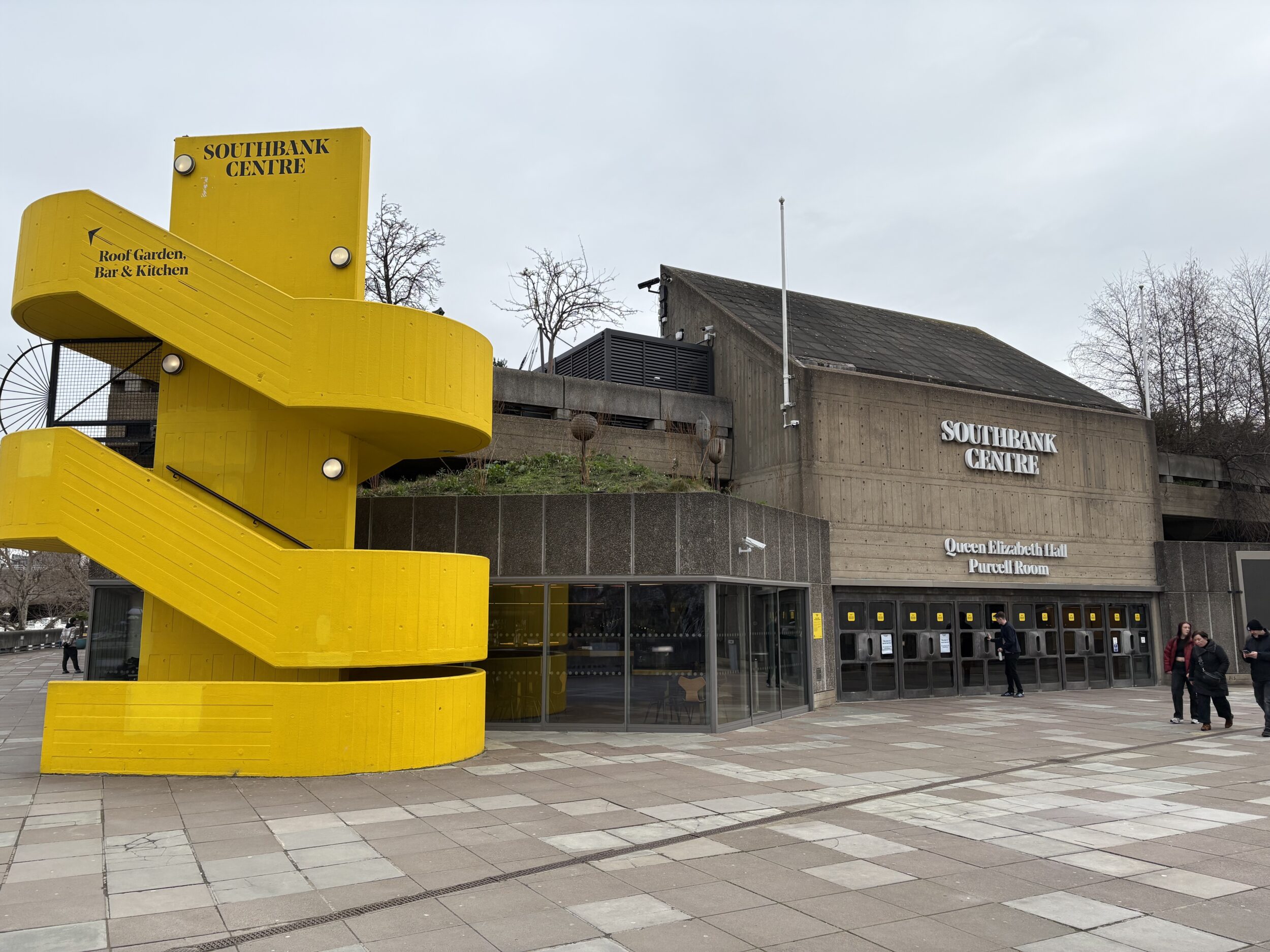
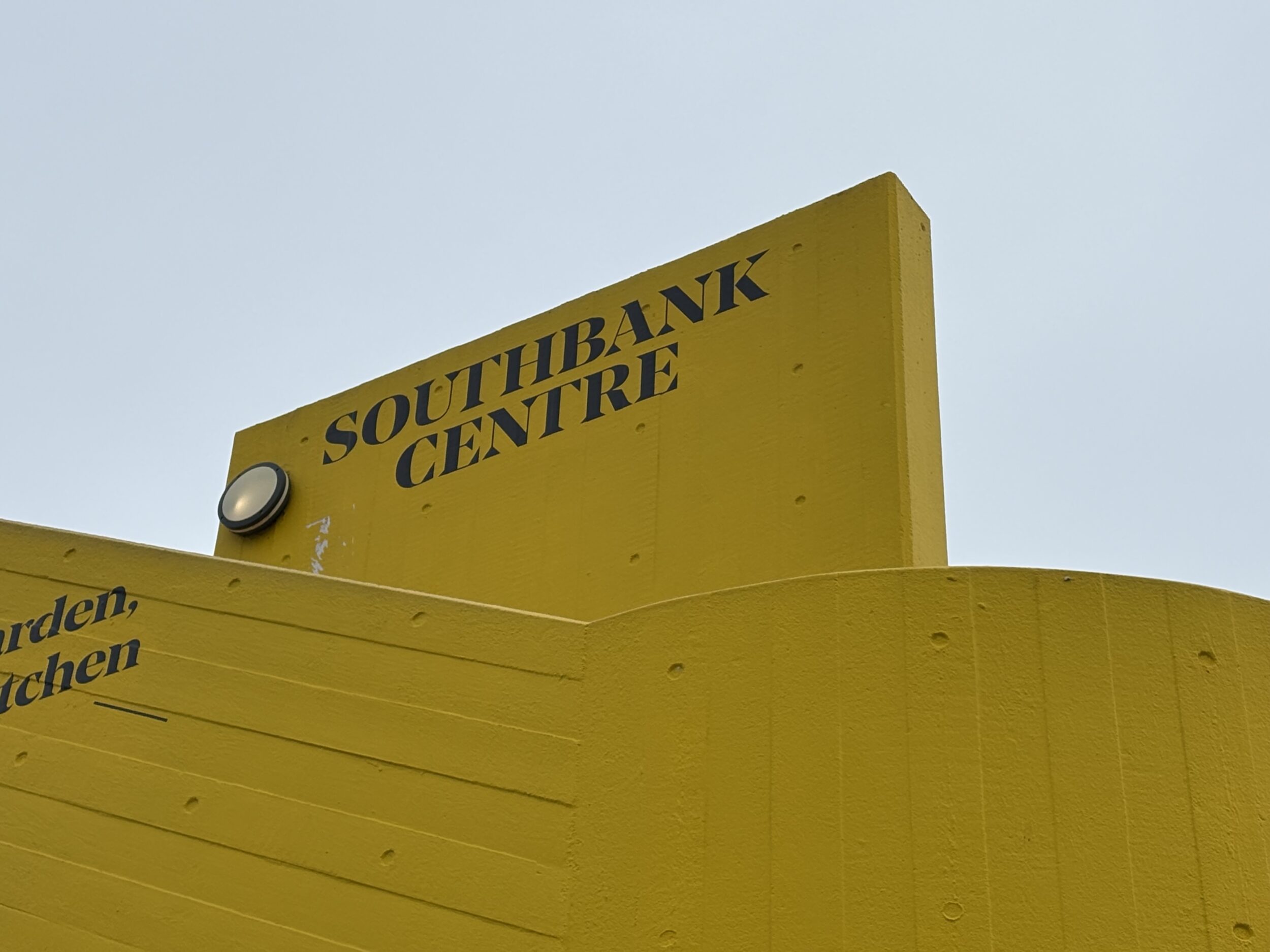
In 2017, architects were divided when parts of the Centre were painted. Credit: Anuj Mishra
The Centre was designed by young architects employed by the London County Council, later the Greater London Corporation, with a streak of rebelliousness.
“When the overall architect first saw the designs for entirely exposed, board-marked concrete, he thought it might be too uncompromising and suggested softening it with stone panels,” says Calder. “The young, rebellious team instead chose precast cladding that is among the most fierce and unapproachable I’ve ever seen.”
Development of the South Bank began in 1951 with the Festival of Britain, for which the Royal Festival Hall was built. Before much of it was demolished to make way for the Festival, the Waterloo area had been deprived and industrial, a stark contrast to the wealth and cultural richness of Covent Garden just across the river.
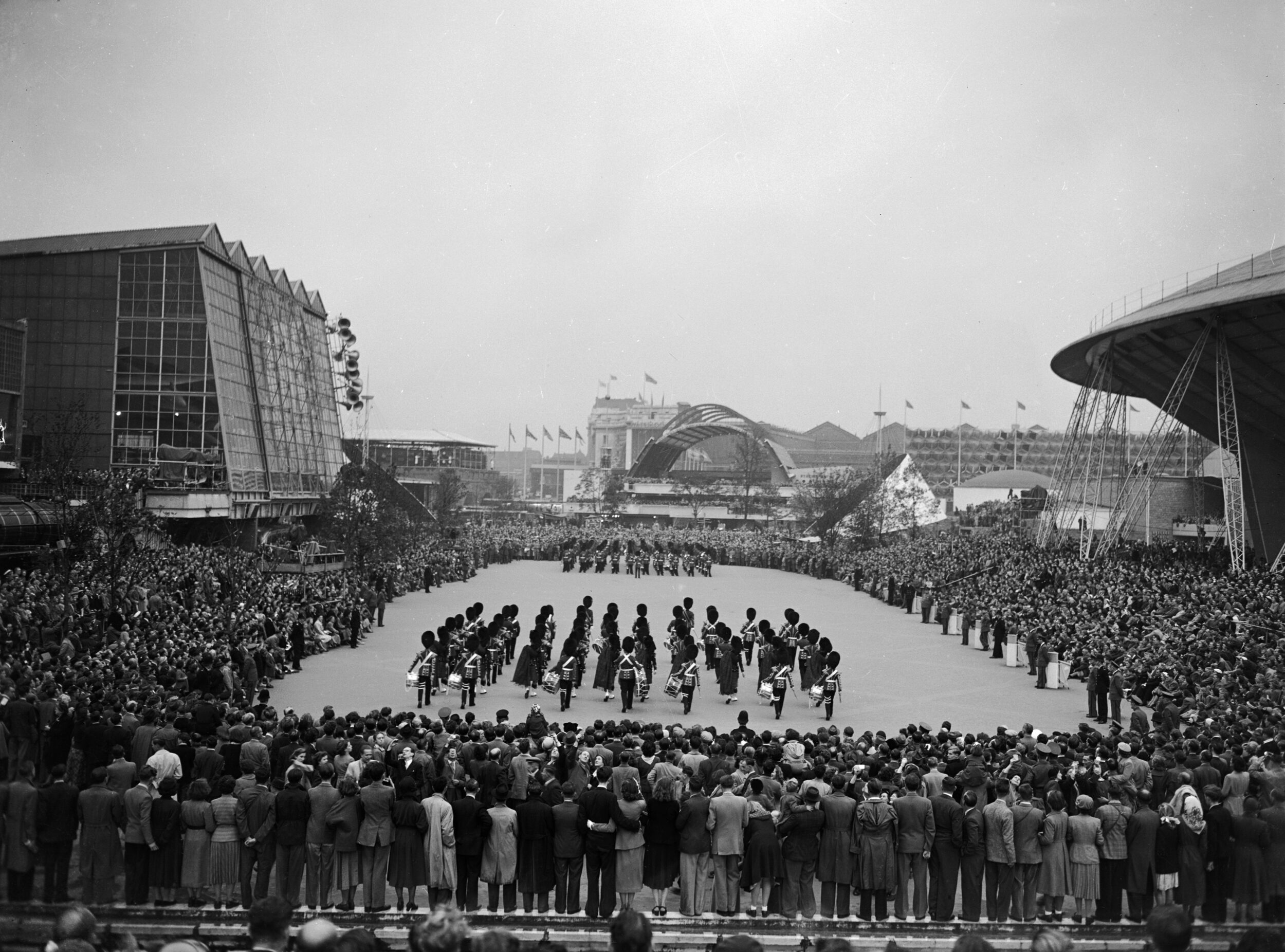
The Festival of Britain in 1951 marked the beginning of the South Bank development. Source: AP
“We end up with this cluster of cultural buildings built in planned sympathy with each other, though not by the same architects or at the same time,” says Calder. “As for what makes the South Bank Centre so special: it is the most un-vanilla architecture imaginable. It will always provoke strong responses.”
“Brutalism has had its coming-of-age moment really,” adds Marshall. “Public attitudes have warmed to them, you only have to go into the gift shop, and you’ll see the tote bags, t-shirts, and stationary to prove it.”
Submitted Article
Headline
Short Headline
Standfirst
Published Article
HeadlineBrutalism’s “coming-of-age moment”: why it took 35 years for Britain’s ‘ugliest’ building to get listed
Short HeadlineBritain's 'ugliest' building listed following 35 year battle
StandfirstThe Southbank Centre is now Grade-II listed after the government accepted a decades-long campaign.
The Southbank Centre has divided Londoners ever since it was first built in 1967. At the time, the Daily Mail ran a poll of engineers who declared it Britain’s “ugliest” building. Now, following approval from Heritage Minister Baroness Twycross, it has been Grade-II listed.
But with the Royal Festival Hall next door having been Grade-I listed in 1988, and the National Theatre on the other side being Grade-II* listed in 1994, the Southbank Centre’s lack of protection had made it an anomaly.
The Twentieth Century Society has been campaigning for the Queen Elizabeth Hall, Purcell Room, and Hayward Gallery to be protected since 1991, campaigns director Oli Marshall reckons that this was the organisation’s fifth or sixth application.
“Over time the case for listing it has only become stronger – if it wasn’t listed at this point there was a question as to if it ever would be,” says Marshall.
The Southbank Centre is flanked by the National Theatre and Royal Festival Hall. Credit: Anuj Mishra
“It’s just absolutely astonishing that it’s taken so long for the government to accept it,” says Barnabas Calder, architecture historian at the University of Liverpool and author of Raw Concrete: The Beauty of Brutalism.
“As to why it’s taken so long – a rumour in the modernist heritage world is that ministers haven’t wanted headlines along the lines of ‘Can you believe they’ve listed this?’ in unsympathetic newspapers.”
“It is the most un-vanilla architecture imaginable. It will always provoke strong responses.”
However, Owen Hopkins, director of the Farrell Centre of planning and architecture at the University of Newcastle says a generational shift underlies the decision: “There’s been a bit of trepidation about what it means to list a building like this – politicians were probably worried that it would provoke significant opposition.
“But maybe now there’s a greater number of people who see it as part of the fabric of the city and something that should be preserved. I’m 41 — my generation grew up almost indoctrinated against modernism and brutalism but now we’re able to look at these things with fresh eyes.”
Britain’s ‘ugliest building’ has finally been listed after 35 years of refusals. When it was first opened, engineers voted the building as Britain’s ‘ugliest’ But do Londoners of today agree? brutalism london uknews architecture
The Southbank Centre has skirted protected status by its very nature, adds Hopkins: “While the Royal Festival Hall is a polite, Scandinavian-influenced modernism that even people who dislike the style can accommodate, the Southbank Centre is much more confrontational.
“It’s a building that is going out of its way not to be polite, but to be a building that is making a powerful statement: that culture should not just be about rarefied buildings, that it should be part of the city.”
“If you only love thatched cottages and rose gardens, you’re never going to love it,” says Calder. “But if you respond to Gothic cathedrals, or the Grand Canyon, or the Alps — that sense of overwhelming scale and drama — then you stand a good chance of appreciating it.”
In 2017, architects were divided when parts of the Centre were painted. Credit: Anuj Mishra
The Centre was designed by young architects employed by the London County Council, later the Greater London Corporation, with a streak of rebelliousness.
“When the overall architect first saw the designs for entirely exposed, board-marked concrete, he thought it might be too uncompromising and suggested softening it with stone panels,” says Calder. “The young, rebellious team instead chose precast cladding that is among the most fierce and unapproachable I’ve ever seen.”
Development of the South Bank began in 1951 with the Festival of Britain, for which the Royal Festival Hall was built. Before much of it was demolished to make way for the Festival, the Waterloo area had been deprived and industrial, a stark contrast to the wealth and cultural richness of Covent Garden just across the river.
The Festival of Britain in 1951 marked the beginning of the South Bank development. Source: AP
“We end up with this cluster of cultural buildings built in planned sympathy with each other, though not by the same architects or at the same time,” says Calder. “As for what makes the South Bank Centre so special: it is the most un-vanilla architecture imaginable. It will always provoke strong responses.”
“Brutalism has had its coming-of-age moment really,” adds Marshall. “Public attitudes have warmed to them, you only have to go into the gift shop, and you’ll see the tote bags, t-shirts, and stationary to prove it.”
A 2024 Freedom of Information request showed Bromley Council had £4.5 million invested in arms companies that year with £1.5 million reportedly linked to Israel.
Undercover officers raided three linked shops in Barking town centre, revealing how illicit tobacco is being hidden in walls, ceilings and nearby locations to evade detection.
More than 330,000 people across the UK sought support from the Stop It Now helpline in 2025 over concerns about their own or someone else’s online sexual behaviour towards children, according to new charity data. The anonymous service says contacts by phone, email and webchat rose significantly over the year.