At 7 AM on Tuesday morning, the banks of the Thames at Teddington are a hub of local activity. I joined members of the Teddington Bluetits for a swim in the River Thames.
This stretch of water, between Ham and Kingston, has recently reached the final consultation stage for official Bathing Water Status. If granted, it would be treated as a priority site for regular monitoring and water-quality testing.
But just upstream from where we entered, another proposal is stirring anxiety. Thames Water’s Teddington Direct River Abstraction scheme is a major infrastructure project aimed at protecting London’s supply during droughts. For the people who use the river week in, week out, it raises an immediate question: what happens to a newly recognised “safe” swimming spot if abstraction and associated works move in next door?
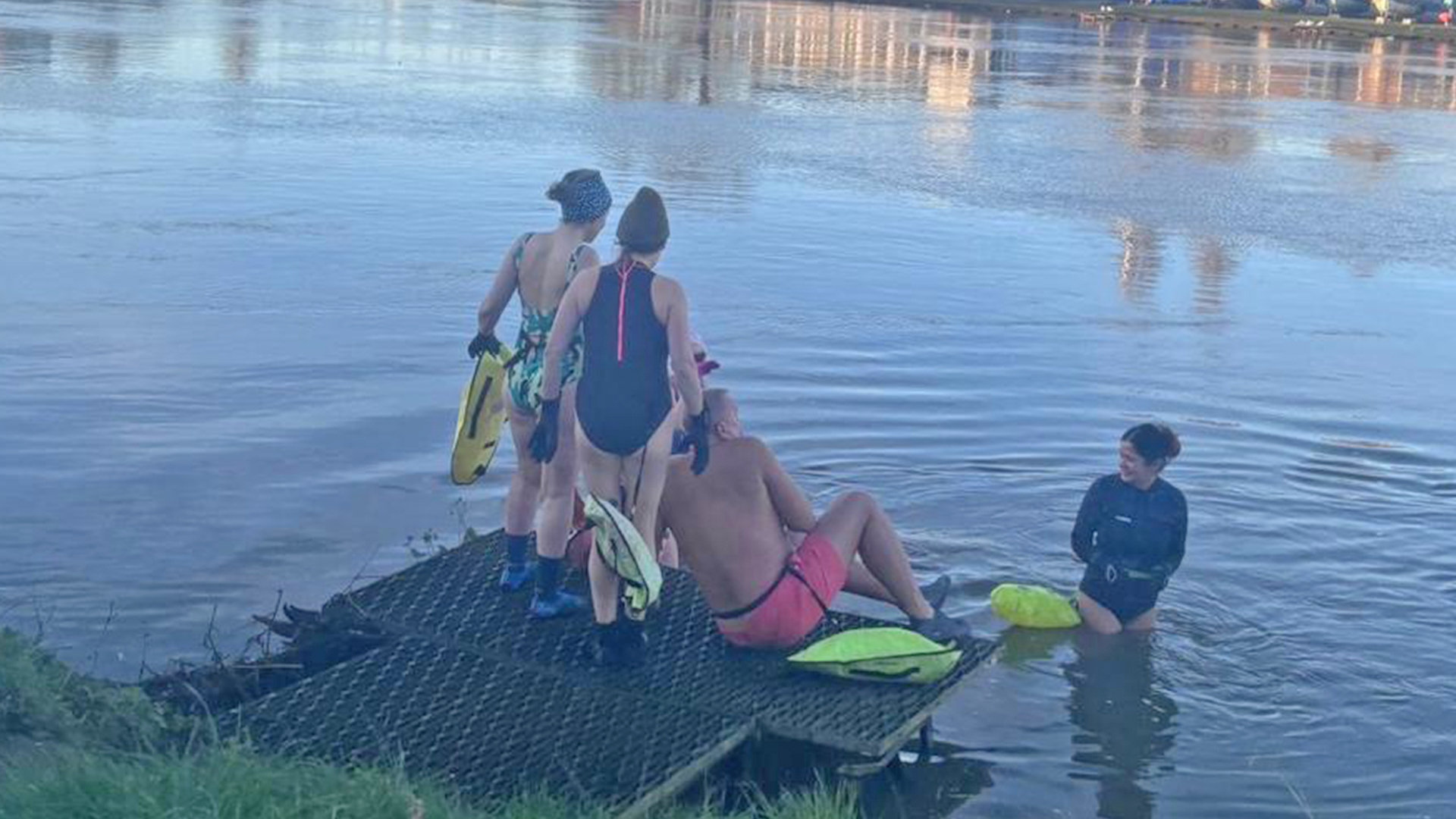
Teddington Bluetits swim group getting into water Source: Emma Conaghan
The Proposed Water Substitution
As we treaded water, the conversation quickly turned to a the looming threat just upstream.
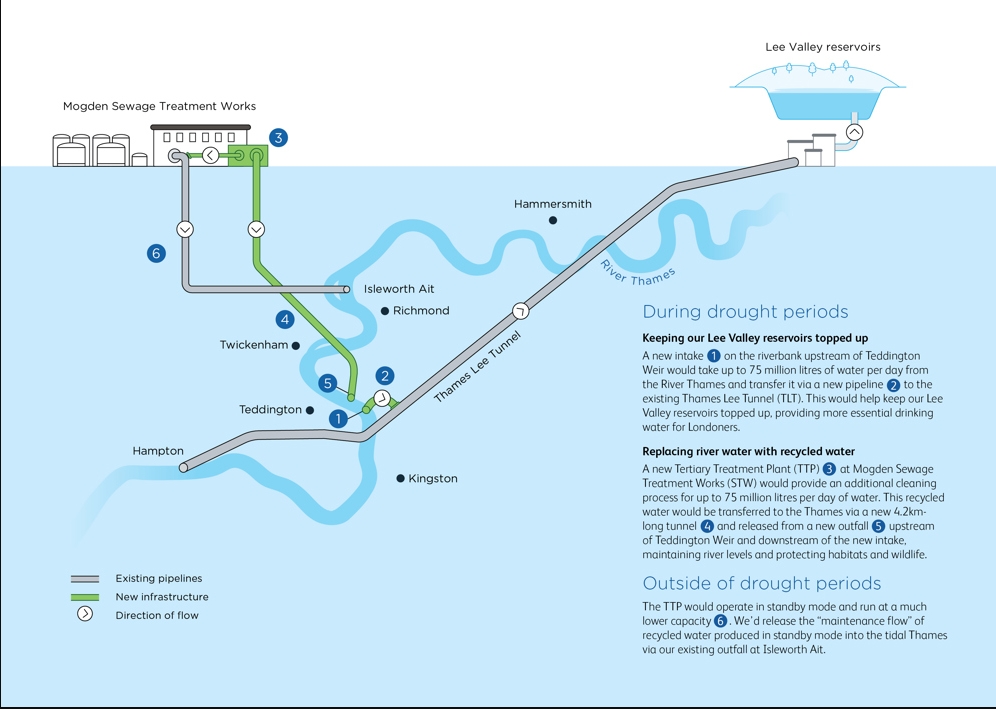
The TDRA scheme is a water substitution project. During periods of drought, Thames Water proposes to abstract fresh water from the Thames and transfer it to a reservoir in East London. To maintain the river’s flow, ‘recycled’ water (effluent) that has been treated at the Mogden Sewage Treatment Works would be discharged back into the river at Teddington.
For Councillor Gareth Roberts, Leader of Richmond Council, the proposal represents a lack of coordination between government departments.
“On the one hand, we have a branch of government saying this is going to be a beautiful swimming place for the public,” Roberts stated. “The same department is considering a major industrial scheme which involves pumping treated effluent into the Thames nearby. It simply doesn’t add up to a joined-up policy.”
Diagram of Teddington Direct River Abstraction (TDRA) Works Source: Thames Water
The Question of Cost and Efficiency
The project is currently under scrutiny from local campaign groups, including Save Our Lands And Rivers (SOLAR). Ian Mcnuff, a former Olympic Rower and SOLAR member, argues the project’s high cost does not match its limited use.
According to Mcnuff, who has reviewed the projects technical appendices, the total cost including finances, could reach approximately £2 billion. “You’re spending a significant sum on an asset that is designed to operate only during drought conditions- potentially six weeks a year on average,” he said.
Campaigners also point to Thames Waters’ own data regarding leaks. While the TDRA scheme would provide 75 million litres of water per day during a drought, campaigners highlight that the company loses an estimated 550 million litres every day through aging infrastructure.
Water Quality Standards
A primary concern for the Teddington Bluetits is the chemical composition of the recycled water. While Thames Water has committed to an additional stage of treatment, Cllr Roberts notes that current plans that current plans do not include specific requirements to filter for microplastics or forever chemicals.
“They are not obliged to remove these specific contaminants,” Robert explains. “While it may meet the Environment Agency’s current discharge standards, the question is whether it maintains the quality people expect at a designated bathing site.”
The physical footprint is also a factor. As I dried off on the riverbank the local swimmers raised concerns regarding the proposed 48-metre-wide structure on the riverbank. They say would alter the semi-rural character of the area and potentially restrict river access.
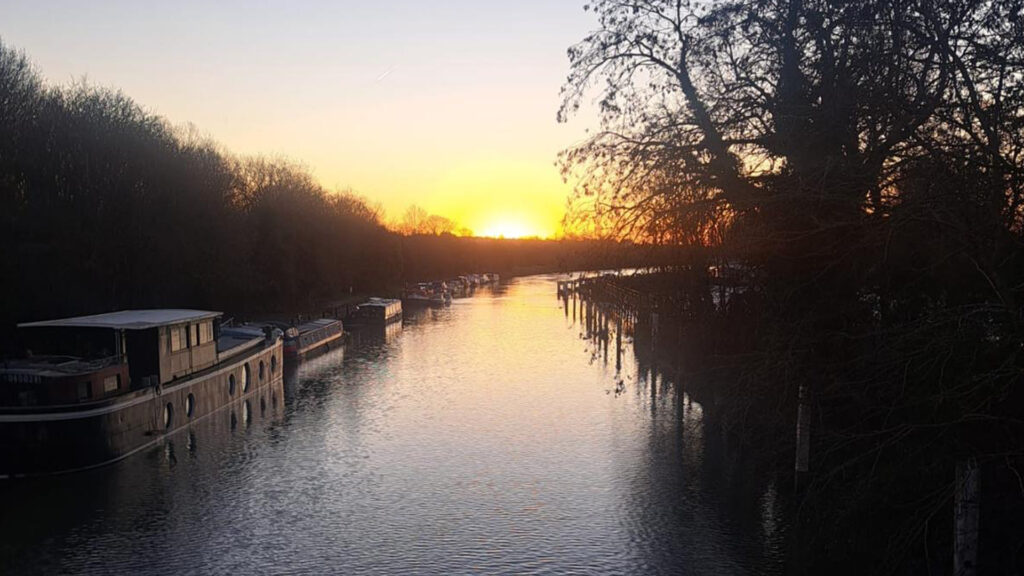
Source: Teddington Bluetits
Secretary of State to decide as Thames Water sets out its position
As the project is classified as a Nationally Significant Infrastructure Project, the final decision will not be made by local planners but by the Secretary of State.
Thames Water maintains that the TDRA project a “nationally significant” necessity to protect London’s water security.
In a statement the Thames Water spokesperson said “We welcome the news that Ham and Kingston could become London’s first bathing water site. We are supportive of all river users and are committed to playing our part in improving the local environment and River Thames.”
The company emphasised that the recycled water would undergo rigorous treatment and that “the project would meet environmental standards set by the Environment Agency.
Submitted Article
Headline
Short Headline
Standfirst
Published Article
HeadlineTeddington bathing water bid clashes with Thames Water abstraction scheme
Short HeadlineTeddington’s Thames swim bid hit by abstraction plans
StandfirstTeddington’s bathing water bid enters its final stage as Thames Water advances abstraction proposals.
At 7 AM on Tuesday morning, the banks of the Thames at Teddington are a hub of local activity. I joined members of the Teddington Bluetits for a swim in the River Thames.
This stretch of water, between Ham and Kingston, has recently reached the final consultation stage for official Bathing Water Status. If granted, it would be treated as a priority site for regular monitoring and water-quality testing.
But just upstream from where we entered, another proposal is stirring anxiety. Thames Water’s Teddington Direct River Abstraction scheme is a major infrastructure project aimed at protecting London’s supply during droughts. For the people who use the river week in, week out, it raises an immediate question: what happens to a newly recognised “safe” swimming spot if abstraction and associated works move in next door?
Teddington Bluetits swim group getting into water Source: Emma Conaghan
The Proposed Water Substitution
As we treaded water, the conversation quickly turned to a the looming threat just upstream.
The TDRA scheme is a water substitution project. During periods of drought, Thames Water proposes to abstract fresh water from the Thames and transfer it to a reservoir in East London. To maintain the river’s flow, ‘recycled’ water (effluent) that has been treated at the Mogden Sewage Treatment Works would be discharged back into the river at Teddington.
For Councillor Gareth Roberts, Leader of Richmond Council, the proposal represents a lack of coordination between government departments.
“On the one hand, we have a branch of government saying this is going to be a beautiful swimming place for the public,” Roberts stated. “The same department is considering a major industrial scheme which involves pumping treated effluent into the Thames nearby. It simply doesn’t add up to a joined-up policy.”
Diagram of Teddington Direct River Abstraction (TDRA) Works Source: Thames Water
The Question of Cost and Efficiency
The project is currently under scrutiny from local campaign groups, including Save Our Lands And Rivers (SOLAR). Ian Mcnuff, a former Olympic Rower and SOLAR member, argues the project’s high cost does not match its limited use.
According to Mcnuff, who has reviewed the projects technical appendices, the total cost including finances, could reach approximately £2 billion. “You’re spending a significant sum on an asset that is designed to operate only during drought conditions- potentially six weeks a year on average,” he said.
Campaigners also point to Thames Waters’ own data regarding leaks. While the TDRA scheme would provide 75 million litres of water per day during a drought, campaigners highlight that the company loses an estimated 550 million litres every day through aging infrastructure.
Water Quality Standards
A primary concern for the Teddington Bluetits is the chemical composition of the recycled water. While Thames Water has committed to an additional stage of treatment, Cllr Roberts notes that current plans that current plans do not include specific requirements to filter for microplastics or forever chemicals.
“They are not obliged to remove these specific contaminants,” Robert explains. “While it may meet the Environment Agency’s current discharge standards, the question is whether it maintains the quality people expect at a designated bathing site.”
The physical footprint is also a factor. As I dried off on the riverbank the local swimmers raised concerns regarding the proposed 48-metre-wide structure on the riverbank. They say would alter the semi-rural character of the area and potentially restrict river access.
Source: Teddington Bluetits
Secretary of State to decide as Thames Water sets out its position
As the project is classified as a Nationally Significant Infrastructure Project, the final decision will not be made by local planners but by the Secretary of State.
Thames Water maintains that the TDRA project a “nationally significant” necessity to protect London’s water security.
In a statement the Thames Water spokesperson said “We welcome the news that Ham and Kingston could become London’s first bathing water site. We are supportive of all river users and are committed to playing our part in improving the local environment and River Thames.”
The company emphasised that the recycled water would undergo rigorous treatment and that “the project would meet environmental standards set by the Environment Agency.
As the weather turns, City News has spoken to a long-term rough sleeper to see how those on the street feel about Andy Burnham’s plan to end homelessness and the upcoming winter.