Golf courses take up 17% of all available green space in London, and one architect, Russell Curtis, has created a plan called ‘Holes to Homes’ that he believes could be a way to solve London’s housing crisis.
The London Housing Crisis
With the 2026 London plan looming and the early proposals from the London Assembly suggesting that the housing target will rise from 50,000 to 88,000 homes built per year – what does this mean for the vast amount of land covered by the capitals golf courses?
The Mayor of London has welcomed the idea of concreting over London’s golf courses in an attempt to meet his proposed new housing target of 88,000. This comes after the London assembly told the government that the capital needs an additional 87,992 homes per year.
However, due to Khan’s failure to meet any of his housing targets that were laid out in the 2021 London plan it raises questions about its viability. According to new research by consultants Molior, start up builds for houses are down 84% since 2015.
In the past 5 years, with a target of 50,000 homes, on average only 38,200 were completed, marking a huge shortfall and raising concern over the 76% increase in the new target, despite drastic shortcomings throughout the current London plan.
Khan has said that “the disastrous legacy of the previous government” amongst other factors such as the accessibility of land in the capital are reasons for the failings.
This has resulted in the mayor turning his eye towards the golf courses in order to subsidise the issue and try to finally meet the London Assembly’s housing targets.
The mayor has identified the golf courses that have a “relatively low recorded ecological value compared to other areas of Metropolitan Open Land (MOL) as well as the clubs that are largely inaccessible for the public”.
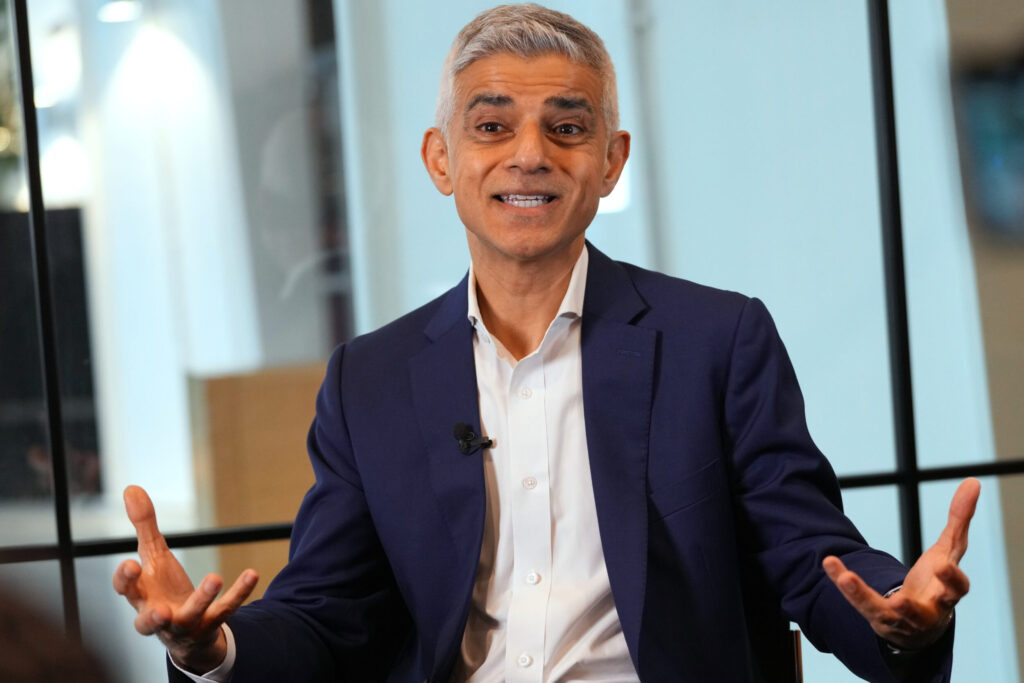
Mayor of London Sadiq Khan has refused to rule out building on golf courses and MOL. Image Credit – AP
Holes to Homes
Russell Curtis thought up the plan while he was on a walk through a golf course during COVID-19 and was frustrated that a lot of the routes that he wanted to take were blocked by courses. This led him to think that there could be a much more equitable way to utilise the land.
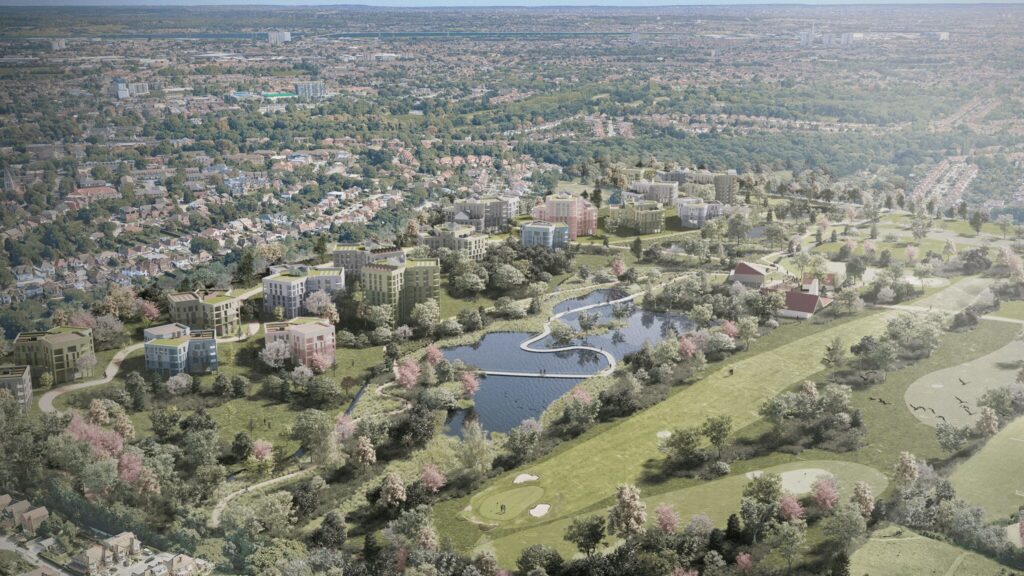
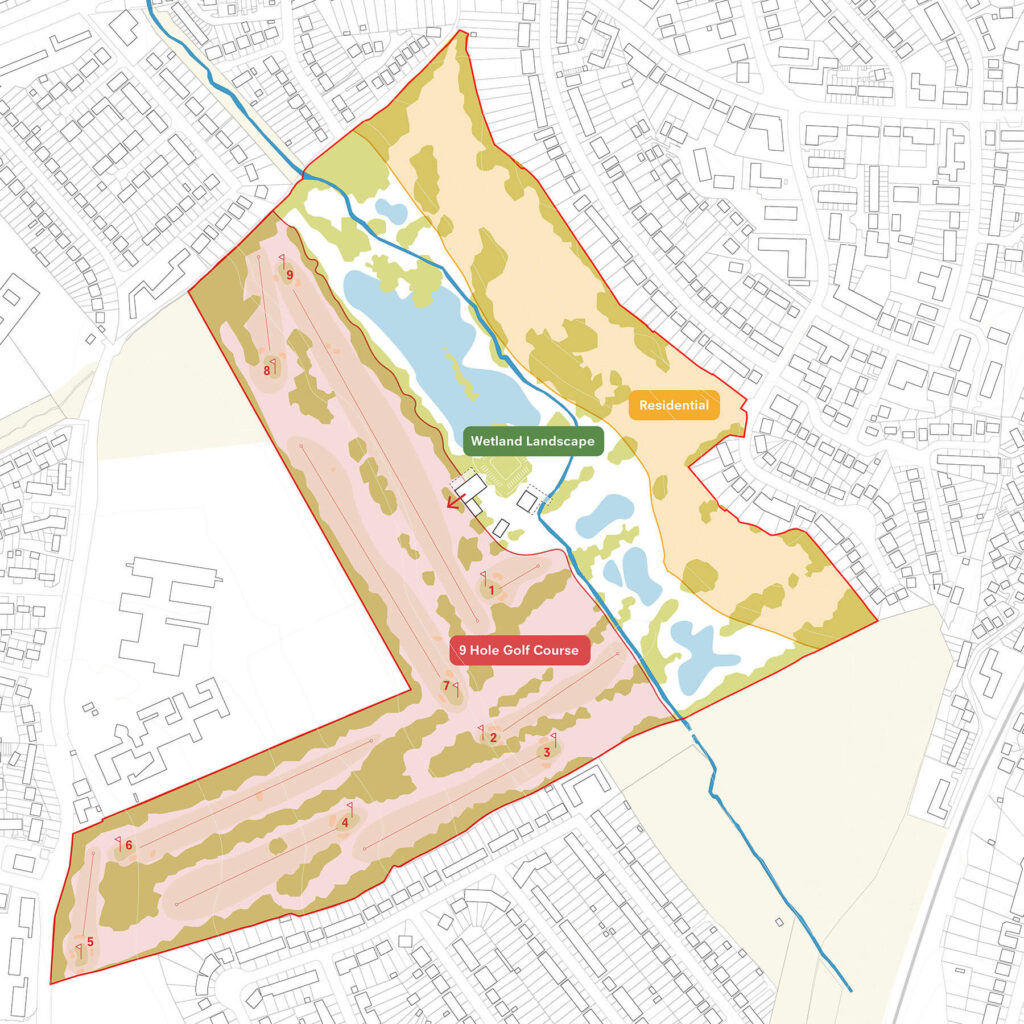
Holes to homes consists of a plan to turn the standard 18-hole golf courses into either a 9- or 12-hole course and use the remaining space to build housing ‘set within a green landscape’ that can be linked using social infrastructure such as new cycling and pedestrian routes.
Holes to Homes proposed plan for redevlopment. – Image Credit – RCKa
Russell stated that the amount of land occupied by both private and council golf courses is “so large that it’s very difficult to visualise what it’s like as a piece of the city, if you took Brent as a borough and just made it a golf course that’s the level of space we’re taking about. It’s a ginormous piece of real estate, and it is quite difficult for people to conceptualise how big these golf courses are”.
Speaking on the housing target rising to 88,000, despite the consistent failure to hit lower targets, Russell stated that “housing starts in the city have collapsed, so I think that it’s reasonable that we make some provisions for the reallocation of open space, or in this case golf courses, for housing, social infrastructure and parks”.
“It is probably a necessity that we build on some golf courses in London and we’ve already seen that there is some early moves to redevelop them” he went on to add.
Whilst this plan does not quite go as far as Khan’s supposed willingness to concrete over the golf courses, it still has opposition from some in the golf community who are against the idea altogether.
Opposition to the Plan
Speaking to PGA (Professional Golfer Association) professional Tom Probin, he said that golf clubs aren’t the answer to the housing crisis and went on to state that the golf club that he practices at “has over a thousand members as well as people who come here that aren’t even members that use the driving range, the restaurant and it’s more about the community aspect rather than just golf”.
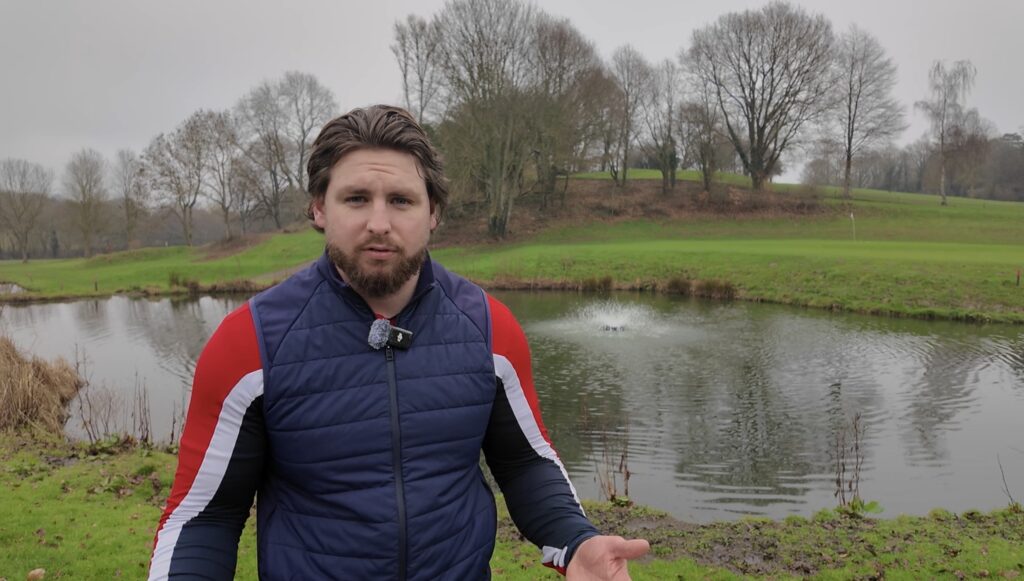
PGA Professional, Tom Probin, sharing his views on the development plan.
When asked about the Holes to Homes proposition specifically, he then said “it would be a terrible thing to happen. I understand that homes are needed but golf courses in general are so integral to everyone involved in each club. It would be a terrible thing to happen”.
With the new London plan just months away, golf courses have been thrown into the spotlight. Despite professionals such as Tom’s objections, the new plan will certainly have to be bolder if the mayor is going to achieve anywhere close to his new target.
Submitted Article
Headline
Short Headline
Standfirst
Published Article
Headline‘Holes to Homes’ – How golf courses could be the answer to London’s housing crisis
Short Headline'Holes to Homes' - How golf courses could be the answer to London's housing crisis
StandfirstAn architect's walk during COVID-19 that inspired a brand new plan to build more homes in London.
Golf courses take up 17% of all available green space in London, and one architect, Russell Curtis, has created a plan called ‘Holes to Homes’ that he believes could be a way to solve London’s housing crisis.
The London Housing Crisis
With the 2026 London plan looming and the early proposals from the London Assembly suggesting that the housing target will rise from 50,000 to 88,000 homes built per year – what does this mean for the vast amount of land covered by the capitals golf courses?
The Mayor of London has welcomed the idea of concreting over London’s golf courses in an attempt to meet his proposed new housing target of 88,000. This comes after the London assembly told the government that the capital needs an additional 87,992 homes per year.
However, due to Khan’s failure to meet any of his housing targets that were laid out in the 2021 London plan it raises questions about its viability. According to new research by consultants Molior, start up builds for houses are down 84% since 2015.
In the past 5 years, with a target of 50,000 homes, on average only 38,200 were completed, marking a huge shortfall and raising concern over the 76% increase in the new target, despite drastic shortcomings throughout the current London plan.
Khan has said that “the disastrous legacy of the previous government” amongst other factors such as the accessibility of land in the capital are reasons for the failings.
This has resulted in the mayor turning his eye towards the golf courses in order to subsidise the issue and try to finally meet the London Assembly’s housing targets.
The mayor has identified the golf courses that have a “relatively low recorded ecological value compared to other areas of Metropolitan Open Land (MOL) as well as the clubs that are largely inaccessible for the public”.
Mayor of London Sadiq Khan has refused to rule out building on golf courses and MOL. Image Credit – AP
Holes to Homes
Russell Curtis thought up the plan while he was on a walk through a golf course during COVID-19 and was frustrated that a lot of the routes that he wanted to take were blocked by courses. This led him to think that there could be a much more equitable way to utilise the land.
Holes to homes consists of a plan to turn the standard 18-hole golf courses into either a 9- or 12-hole course and use the remaining space to build housing ‘set within a green landscape’ that can be linked using social infrastructure such as new cycling and pedestrian routes.
Holes to Homes proposed plan for redevlopment. – Image Credit – RCKa
Russell stated that the amount of land occupied by both private and council golf courses is “so large that it’s very difficult to visualise what it’s like as a piece of the city, if you took Brent as a borough and just made it a golf course that’s the level of space we’re taking about. It’s a ginormous piece of real estate, and it is quite difficult for people to conceptualise how big these golf courses are”.
Speaking on the housing target rising to 88,000, despite the consistent failure to hit lower targets, Russell stated that “housing starts in the city have collapsed, so I think that it’s reasonable that we make some provisions for the reallocation of open space, or in this case golf courses, for housing, social infrastructure and parks”.
“It is probably a necessity that we build on some golf courses in London and we’ve already seen that there is some early moves to redevelop them” he went on to add.
Whilst this plan does not quite go as far as Khan’s supposed willingness to concrete over the golf courses, it still has opposition from some in the golf community who are against the idea altogether.
Opposition to the Plan
Speaking to PGA (Professional Golfer Association) professional Tom Probin, he said that golf clubs aren’t the answer to the housing crisis and went on to state that the golf club that he practices at “has over a thousand members as well as people who come here that aren’t even members that use the driving range, the restaurant and it’s more about the community aspect rather than just golf”.
PGA Professional, Tom Probin, sharing his views on the development plan.
When asked about the Holes to Homes proposition specifically, he then said “it would be a terrible thing to happen. I understand that homes are needed but golf courses in general are so integral to everyone involved in each club. It would be a terrible thing to happen”.
With the new London plan just months away, golf courses have been thrown into the spotlight. Despite professionals such as Tom’s objections, the new plan will certainly have to be bolder if the mayor is going to achieve anywhere close to his new target.
A 2024 Freedom of Information request showed Bromley Council had £4.5 million invested in arms companies that year with £1.5 million reportedly linked to Israel.
Undercover officers raided three linked shops in Barking town centre, revealing how illicit tobacco is being hidden in walls, ceilings and nearby locations to evade detection.
More than 330,000 people across the UK sought support from the Stop It Now helpline in 2025 over concerns about their own or someone else’s online sexual behaviour towards children, according to new charity data. The anonymous service says contacts by phone, email and webchat rose significantly over the year.