Volunteers at two Southwark foodbanks say that Zipcar’s exit from London at the start of this year has forced them to cut back on their services.
The charities say that since losing the service, they have struggled to gain access to reliable and affordable transport to support collecting and delivering supplies.
Both charities have launched fundraisers in the hopes of buying their own vans.
“We’ve had to cut back our supply. We used to collect 15 pallets twice a week, now its only five or six’.
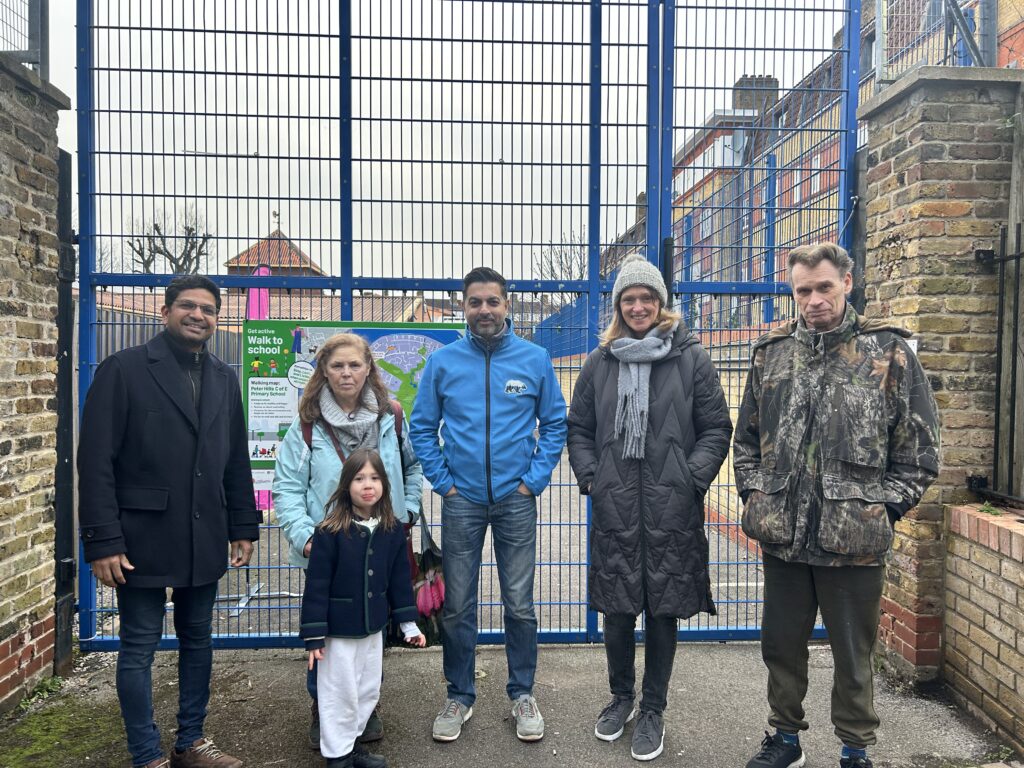
Vimal Pandya (left) founded Rotherhithe Community Kitchen in 2023 (Source: Jess Rolfe)
Vimal Pandya runs Rotherhithe Community Kitchen out of Peter Hill’s Primary School every Sunday. Since founding the group in 2023, they have expanded to offer a foodbank service three times a week.
“Its not just a foodbank, its a lot of process,” he explained, “there’s always left over food and empty pallets.”
Volunteers for the kitchen’s foodbank, which operates out of three different local premises when space is available, stressed that not having a permanent space to store supplies has made Zipcar vital to their services.
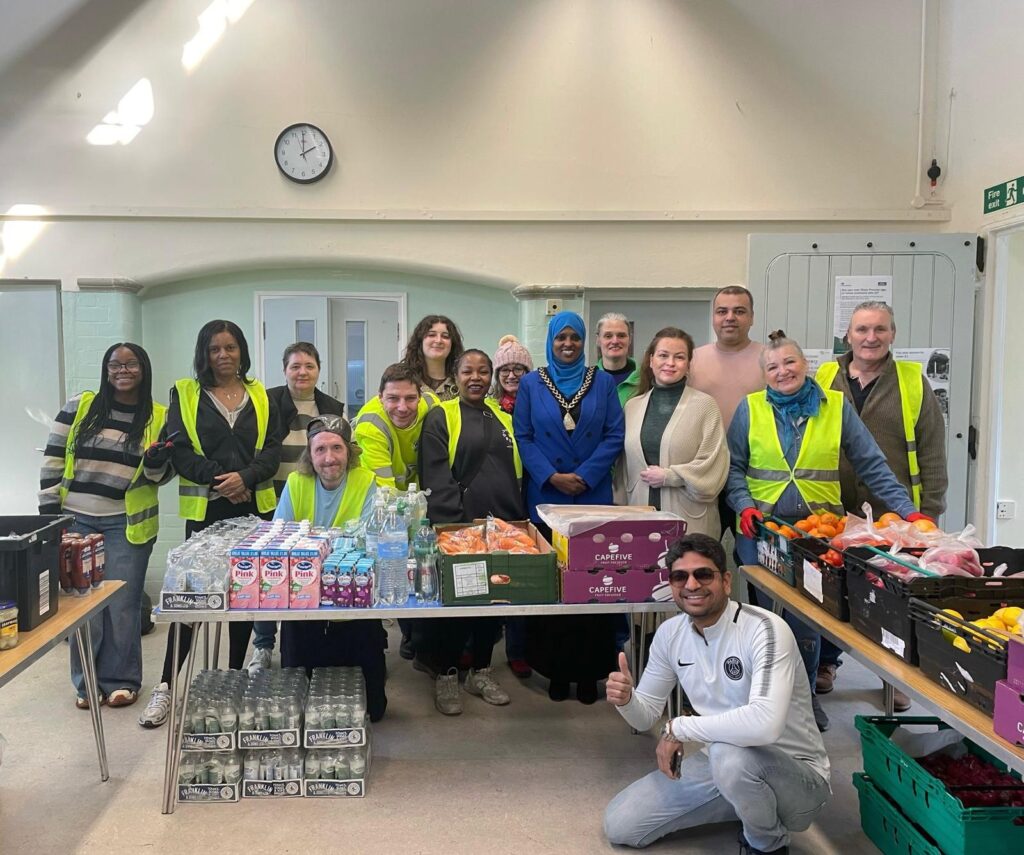
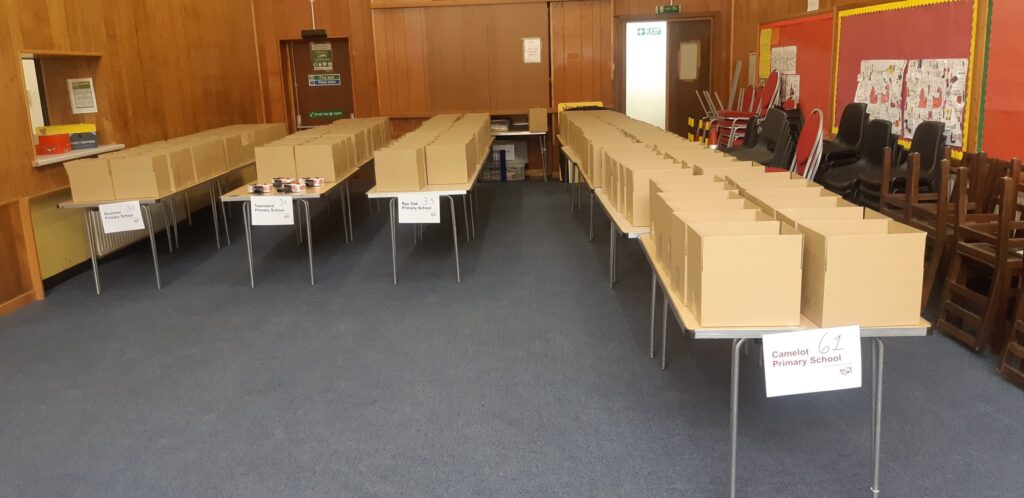
The Community Kitchen runs three foodbanks in Rotherhithe a week (Source: RCK)
Sandrine Maccorin, who volunteers with the group, said that Zipcar used to help them redistribute surplus food: “We can’t store it, most of the food has a short life.
“Now we end up in the middle of the street just chucking it at people so it doesn’t go to waste. It’s not reaching the people who really need it.”
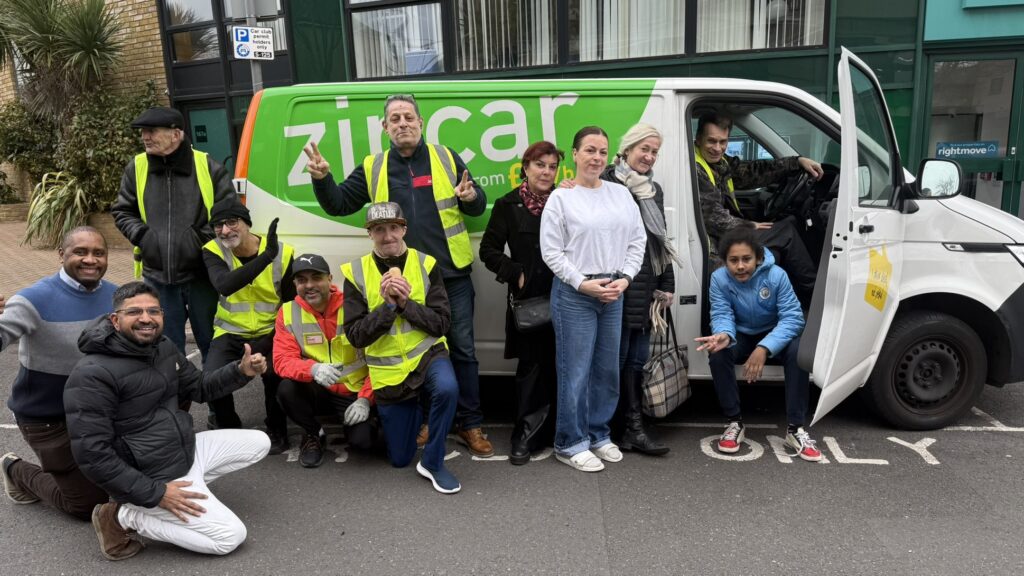
Pat Creswell (centre) used to drive Zipcar vans to deliver food to Rotherhithe residents (Source: RCK)
Pat Creswell used to drive Zipcar vans for the community kitchen. He said that, with multiple cars available in the area, he could use the car-share service to deliver food to residents, particularly pensioners, who couldn’t queue in person.
“I’ve tried hiring vans since but the costs are just coming up higher and higher…It’s getting harder to reach people.”
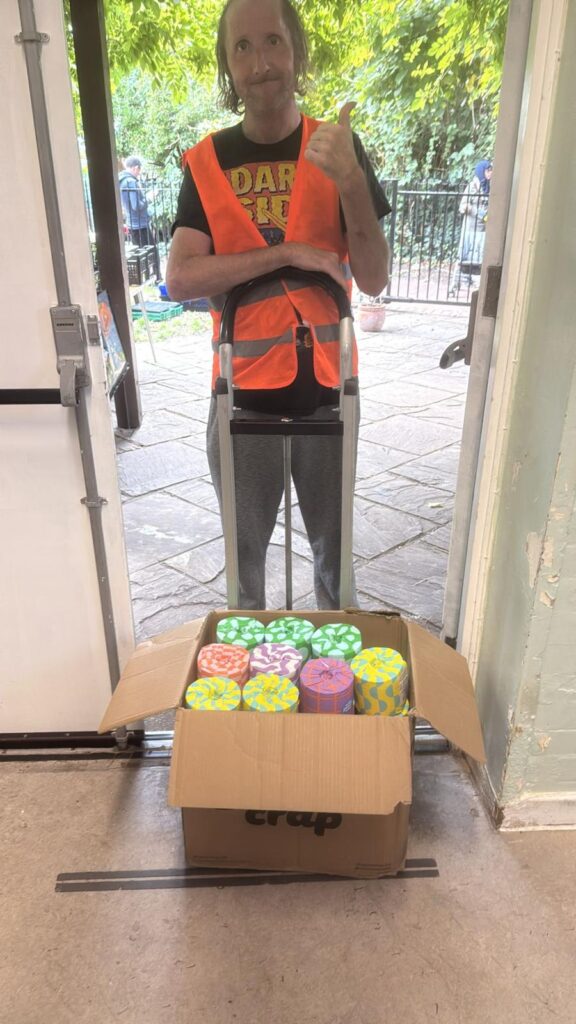
Finding the cost of private hire to high to sustain, volunteers have resorted to transporting supplies on foot.
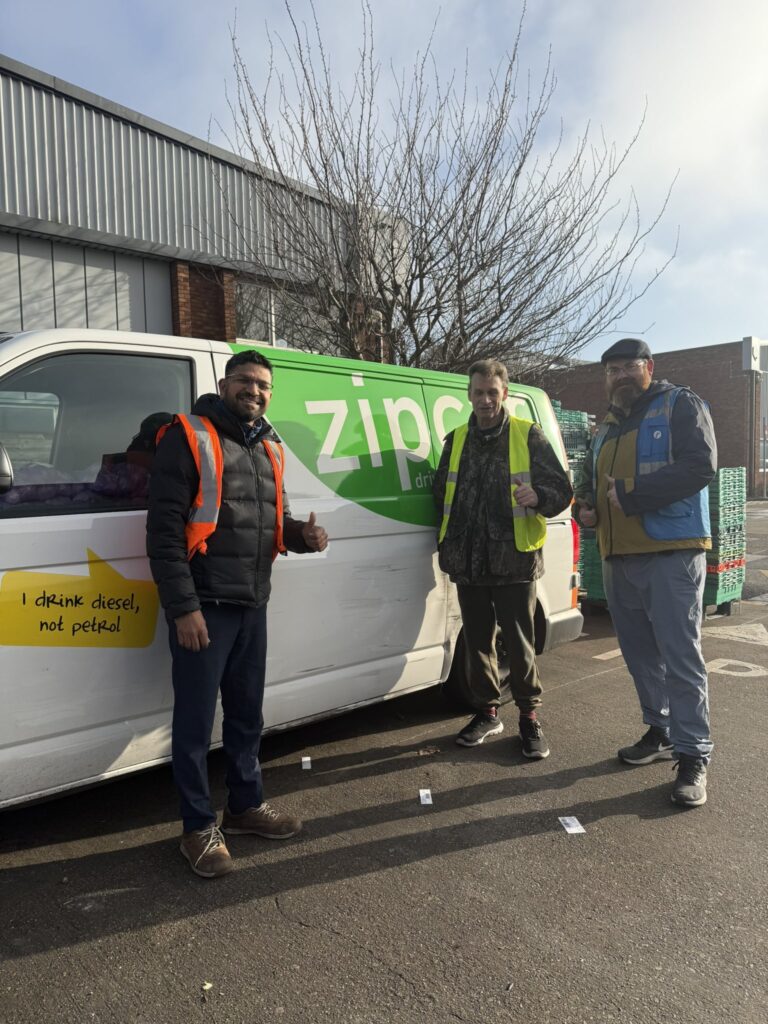
RCK volunteers say they are having to transport supplies on foot (Source: RCK)
Florence Mhango described pushing a trolley stacked with pallets up Rotherhithe Road:
“When it’s pouring with rain and you’ve got this trolley full of pallets, you can’t see where it’s going, you’re worried about the cars coming past. It’s been very difficult.”
Without Zipcar, Vimal explained that the kitchen is struggling to deal with the logistics of collecting supplies and distributing surplus. “Since losing Zipcar, we’ve had to cut down supply because we simply can’t deal with it.
“A lot of people are relying on us and we’ve had to cancel deliveries. Zipcar was a lifeline for our project.”
Saying goodbye to Zipcar. Its closure will be felt by many grassroots organisations like ours, where shared vehicles quietly support everyday community work. We will keep finding ways forward as communities always do pic.twitter.com/g6kn7hGXJr
— Rotherhithe Community Kitchen (@RCKFood4U) January 2, 2026
Nearby in Bermondsey Central Hall, South London Mission runs a community pantry. Every Friday, the group used Zipcar to deliver their ‘BRITE BOX’, a weekend meal kit to teach children to cook and encourage healthy eating.
“We didn’t have to walk more than five minutes to access a Zipcar, and we could hire it for the length of time we need.” Winnie Baffoe is the Director of Engagement and Influence at South London Mission: “Now without Zipcar our costs are going up.
“It’s like a plaster being taken off”
South London Mission used Zipcar to deliver meal kits to primary school children
With supplies for their pantry coming from West London, Winnie explained that they’ve had to cut back: “While we’re in this grey area trying to sort out transportation, we’ve had to pause a bit. So our pantry offer is more limited than what it would normally be.”
When Zipcar announced it was planning to cease all UK operations at the end of last year, Southwark Council offered the company free parking permits if they continued to operate in the borough.
At the time, Councillor James McAsh, Southwark Council’s Cabinet Member for Clean Air, Streets and Waste described the move in a press release as a “disaster for residents” and said that the council would work to “fill the gap they leave” by offering similar deals to alternative car clubs in the new year.
Both charities said they are yet to hear of any alternative solutions.
Southwark Council and Zipcar have been contacted for comment.
Submitted Article
Headline
Short Headline
Standfirst
Published Article
Headline‘It was our lifeline’: Southwark foodbanks say Zipcar’s exit is forcing them to scale back
Short HeadlineSouthwark foodbanks scale back after Zipcar exit
StandfirstVolunteers for a local community kitchen say they have to drag 'trolleys full of food in the rain' without access to affordable transport
Volunteers at two Southwark foodbanks say that Zipcar’s exit from London at the start of this year has forced them to cut back on their services.
The charities say that since losing the service, they have struggled to gain access to reliable and affordable transport to support collecting and delivering supplies.
Both charities have launched fundraisers in the hopes of buying their own vans.
“We’ve had to cut back our supply. We used to collect 15 pallets twice a week, now its only five or six’.
Vimal Pandya (left) founded Rotherhithe Community Kitchen in 2023 (Source: Jess Rolfe)
Vimal Pandya runs Rotherhithe Community Kitchen out of Peter Hill’s Primary School every Sunday. Since founding the group in 2023, they have expanded to offer a foodbank service three times a week.
“Its not just a foodbank, its a lot of process,” he explained, “there’s always left over food and empty pallets.”
Volunteers for the kitchen’s foodbank, which operates out of three different local premises when space is available, stressed that not having a permanent space to store supplies has made Zipcar vital to their services.
The Community Kitchen runs three foodbanks in Rotherhithe a week (Source: RCK)
Sandrine Maccorin, who volunteers with the group, said that Zipcar used to help them redistribute surplus food: “We can’t store it, most of the food has a short life.
“Now we end up in the middle of the street just chucking it at people so it doesn’t go to waste. It’s not reaching the people who really need it.”
Pat Creswell (centre) used to drive Zipcar vans to deliver food to Rotherhithe residents (Source: RCK)
Pat Creswell used to drive Zipcar vans for the community kitchen. He said that, with multiple cars available in the area, he could use the car-share service to deliver food to residents, particularly pensioners, who couldn’t queue in person.
“I’ve tried hiring vans since but the costs are just coming up higher and higher…It’s getting harder to reach people.”
Finding the cost of private hire to high to sustain, volunteers have resorted to transporting supplies on foot.
RCK volunteers say they are having to transport supplies on foot (Source: RCK)
Florence Mhango described pushing a trolley stacked with pallets up Rotherhithe Road:
“When it’s pouring with rain and you’ve got this trolley full of pallets, you can’t see where it’s going, you’re worried about the cars coming past. It’s been very difficult.”
Without Zipcar, Vimal explained that the kitchen is struggling to deal with the logistics of collecting supplies and distributing surplus. “Since losing Zipcar, we’ve had to cut down supply because we simply can’t deal with it.
“A lot of people are relying on us and we’ve had to cancel deliveries. Zipcar was a lifeline for our project.”
Saying goodbye to Zipcar. Its closure will be felt by many grassroots organisations like ours, where shared vehicles quietly support everyday community work. We will keep finding ways forward as communities always do pic.twitter.com/g6kn7hGXJr
— Rotherhithe Community Kitchen (@RCKFood4U) January 2, 2026
Nearby in Bermondsey Central Hall, South London Mission runs a community pantry. Every Friday, the group used Zipcar to deliver their ‘BRITE BOX’, a weekend meal kit to teach children to cook and encourage healthy eating.
“We didn’t have to walk more than five minutes to access a Zipcar, and we could hire it for the length of time we need.” Winnie Baffoe is the Director of Engagement and Influence at South London Mission: “Now without Zipcar our costs are going up.
“It’s like a plaster being taken off”
South London Mission used Zipcar to deliver meal kits to primary school children
With supplies for their pantry coming from West London, Winnie explained that they’ve had to cut back: “While we’re in this grey area trying to sort out transportation, we’ve had to pause a bit. So our pantry offer is more limited than what it would normally be.”
When Zipcar announced it was planning to cease all UK operations at the end of last year, Southwark Council offered the company free parking permits if they continued to operate in the borough.
At the time, Councillor James McAsh, Southwark Council’s Cabinet Member for Clean Air, Streets and Waste described the move in a press release as a “disaster for residents” and said that the council would work to “fill the gap they leave” by offering similar deals to alternative car clubs in the new year.
Both charities said they are yet to hear of any alternative solutions.
Southwark Council and Zipcar have been contacted for comment.
As the weather turns, City News has spoken to a long-term rough sleeper to see how those on the street feel about Andy Burnham’s plan to end homelessness and the upcoming winter.