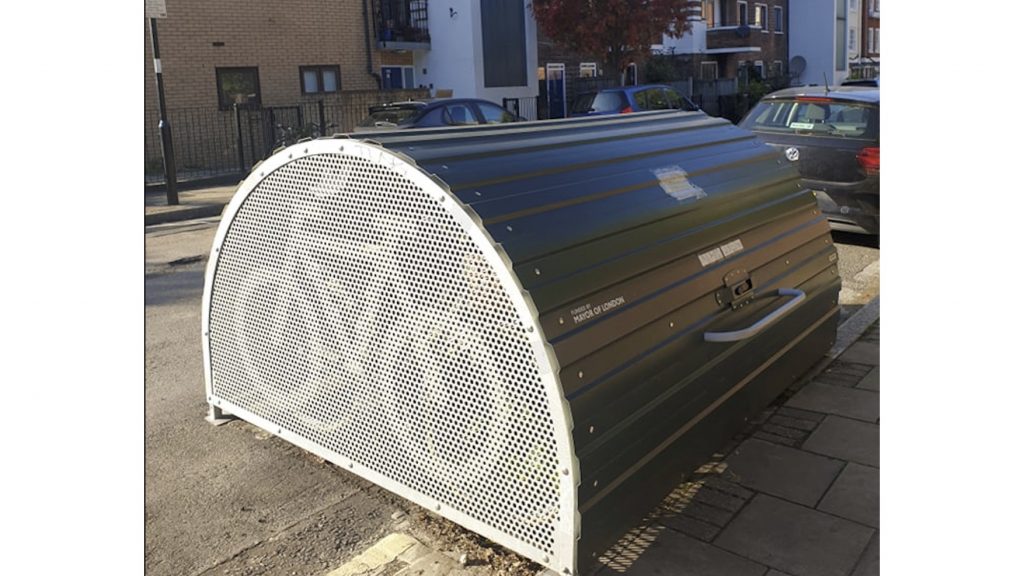
People are campaigning for safer bike storage in London as figures show tens of thousands of residents are currently on waiting lists for bike hangar spaces.
With the expansion of the Ultra Low Emission Zone coming into force next week, residents are encouraged to make greener choices like taking up cycling.
Over the pandemic, the numbers of people choosing to cycle skyrocketed, and the sales of bikes and accessories increased by 45% in the UK.
4 days to go until the big day!#DYK, London's #ULEZ expansion is part of a long-term vision for the city?
By 2040, @MayorofLondon aims for 80% of trips to be done through walking, #cycling & public transport ????https://t.co/jChekUIJGR @MumsForLungs @DeSmogUK @ClientEarth pic.twitter.com/f09x55LHdD
— Clean Cities (@cities_clean) October 21, 2021
However, the increasing demand for bikes has led to a boom in bike thefts and London is a ‘hotspot’ for it compared to the rest of the UK.
David Fowkes, head of underwriting at Admiral Insurance said “We’ve seen a 66% increase in the number of bicycle theft claims since March 2020 when the UK first went into lockdown”
Bike hangars are a safe option for bike storage with their design making theft more unlikely. They secure 6 bikes into each parking space and cover them with a locked roof to protect them from bad weather, vandalism, and break ins.
This security has made the method of storage hugely popular in London and there are currently over 7,000 parking spaces in 1,200 cycle hangars across the city. However, findings by Transport for London (TFL) show that at least 36,000 more spaces are needed to meet demand.
View this post on Instagram
Private alternatives are available, but they can cost up to 10 times more than the £107.25 it takes to rent a council funded hangar space for a year.
Campaigners are calling for councils to tackle the issue and provide more parking spaces to making it more accessible for members of the public to safely choose cleaner travel over more polluting modes of transport.
As the government has pledged to achieve carbon neutral status by 2050, tackling safe cycling in the UK could be key to many people going greener.