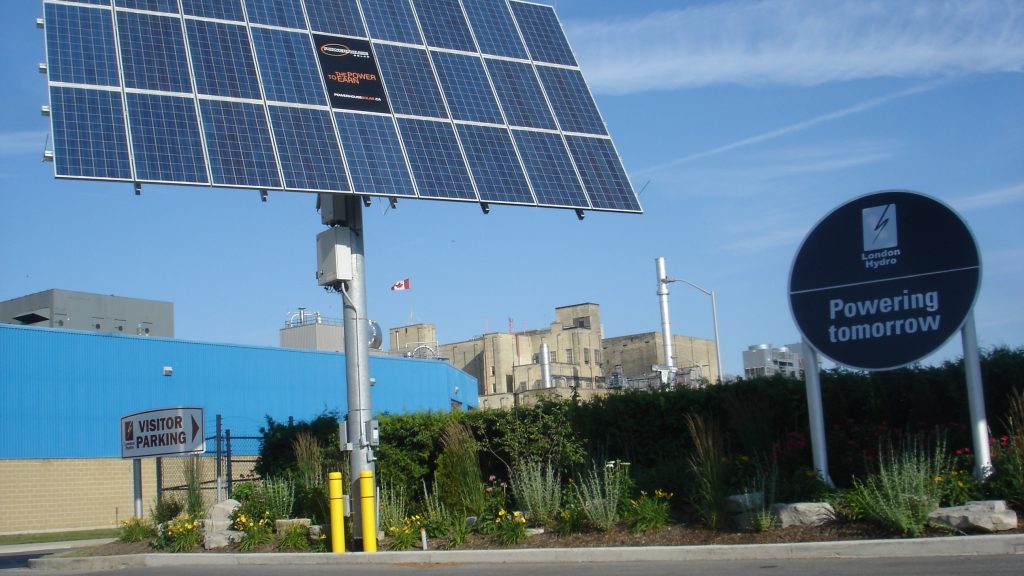
Non-profit social enterprise, Cally Energy, are raising awareness and developing solar panel communities in Caledonian and Barnsbury Wards in an effort to reduce fuel poverty and raising energy prices in the area.
The enterprise brought light to what they want to do for the neighbourhood last night at St Andrews Church in Thornhill Square. During a growing energy crisis, discussions around rising prices and renewable alternatives are bigger than ever.
Some of London’s more recent statistics in 2017 revealed that 9,300 households in Islington were experiencing fuel poverty.
This number extends out to 400,000 households within the whole of London, increasing almost 20% from 2015.
What is being done
“Choosing between food and heat”
Elaine Trimble from Cally Energy says the enterprise is all about “creating low cost green energy for the [Caledonian and Barnsbury] community.” Trying to help those who are “choosing between food and heat.”
Cally Energy are now also setting up grants for families to provide more short-term options to allow households to keep their heating on.
Community Energy London, a London-based network, are set out to bring communities together to eradicate fuel poverty and lobby for permanent change.
Check out CEL's new map where you can find #communityenergy projects in #London and engage key influences who can support wider community energy action in the city!https://t.co/ngBsv25XmD pic.twitter.com/eQFIGbzb9N
— Community Energy LDN (@CommEnergyLDN) July 12, 2021
Looking beyond London and into the future
Anna Cook from National Energy Action (NEA) told City News that there are currently 4 million people experiencing fuel poverty across the UK.
NEA research predicts that this figure is set to go up again in April sending another 1.2-1.5 million households into fuel poverty.
When searching for solutions, the NEA look towards the government.
Cook says they need to help “the households on the ground”. “dealing with […] ‘the worst first’, the people that are struggling the most.”
High utility bills are a key cause of fuel poverty. The growing energy crisis has seen 15 million households across the UK experience a 12% increase on their energy bills from the start of October, making fuel poverty prevention harder than ever.
Under the Low Income High Costs (LIHC indicator), a household is considered to be fuel poor if they have required fuel costs that are above the national average and would be put under the poverty line if they were to spend that amount.