The charter was produced following a year and a half of engagement with more than 8,500 Londoners of varying ages, ethnicities and backgrounds.
SHARE:
The Metropolitan Police has announced the publication of a new Stop and Search Charter.
It is the first time a set of formal commitments on how a stop and search is carried out has been agreed to and published in this way.
The charter was produced following a year and a half of engagement with more than 8,500 Londoners of varying ages, ethnicities and backgrounds.
The Met uses stop and search to seize weapons and drugs. The force says that 17,500 weapons were seized as a result of stop and search in the last four years.
68% of Londoners support stop and search according to polls, but support depends on who is asked.
Many Black Londoners have told the Met that stop and search creates tensions between their communities and the police, with some people taking to X to say that the measure ‘disproportionately targets black children.’
Stop and search is a critical policing tool. Done well, it stops those intent on causing death, injury and fear in our communities. It takes dangerous weapons and drugs off our streets and in doing so, it saves lives.
Mark Rowley, Metropolitan Police Commissioner
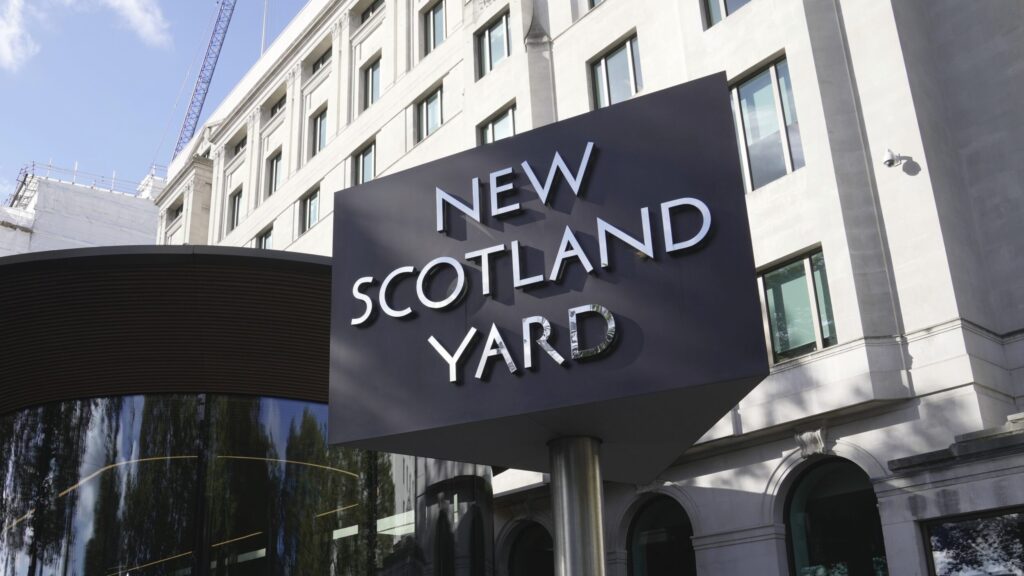
The final writing of the charter was led by 80 young people aged between 16 and 23, who were invited to New Scotland Yard to interpret feedback and bring the document together.
Met Police Commissioner Mark Rowley says this community support makes the charter “particularly powerful.”
He added that the Met is committed to “further rebuilding trust” with communities and that the charter is “not about doing less stop and search. It is about doing it better by improving the quality of encounters, informed by the views of the public it is intended to protect.”
Commitments in the charter include a focus on the quality of stop and search encounters, improved training for officers, and improved supervision of officers.
More to follow on this story.
This is a developing story, we will bring you more details as they come. Please refresh the page to update.
Short HeadlineNew Met Stop and Search Charter published
StandfirstThe Metropolitan Police has published a new Stop and Search Charter, which has been co-produced with communities.
The Metropolitan Police has announced the publication of a new Stop and Search Charter.
It is the first time a set of formal commitments on how a stop and search is carried out has been agreed to and published in this way.
The charter was produced following a year and a half of engagement with more than 8,500 Londoners of varying ages, ethnicities and backgrounds.
The Met uses stop and search to seize weapons and drugs. The force says that 17,500 weapons were seized as a result of stop and search in the last four years.
68% of Londoners support stop and search according to polls, but support depends on who is asked.
Many Black Londoners have told the Met that stop and search creates tensions between their communities and the police, with some people taking to X to say that the measure ‘disproportionately targets black children.’
Stop and search is a critical policing tool. Done well, it stops those intent on causing death, injury and fear in our communities. It takes dangerous weapons and drugs off our streets and in doing so, it saves lives.
Mark Rowley, Metropolitan Police Commissioner
The final writing of the charter was led by 80 young people aged between 16 and 23, who were invited to New Scotland Yard to interpret feedback and bring the document together.
Met Police Commissioner Mark Rowley says this community support makes the charter “particularly powerful.”
He added that the Met is committed to “further rebuilding trust” with communities and that the charter is “not about doing less stop and search. It is about doing it better by improving the quality of encounters, informed by the views of the public it is intended to protect.”
Commitments in the charter include a focus on the quality of stop and search encounters, improved training for officers, and improved supervision of officers.
Counter-terror police arrested Labour MP Joani Reid’s husband and two other men in a China spying probe - all three are now on bail as detectives search for answers
Internationally renowned for transforming her life into confessional art, the exhibition offers an intimate and unapologetic glimpse into one of Britain’s most influential contemporary artists.