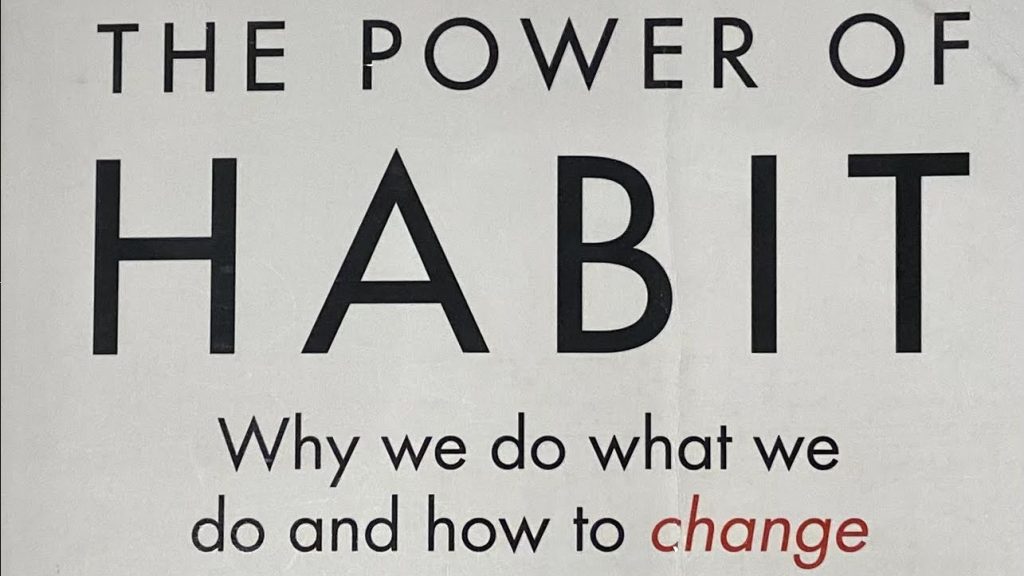
Charles Duhigg says that if you start by changing one small routine, it can have a knock-on effect on the rest of your life.
SHARE:
When you wake up in the morning to brush your teeth, do you think about which side of your mouth to brush first?
No, you don’t. Because that would be insanity. Throughout our lives, our brains have developed unconscious habits to save you the extra effort and energy of thinking about menial tasks. When you do your daily activities automatically, you have time to go about the rest of your day and concentrate on what matters.
But what happens if you’re unhappy with the habits you have developed? What if you’re so used to grabbing a coffee to go in the morning instead of breakfast that you don’t know how to change?
Charles Duhigg’s The Power of Habit not only makes you aware of your everyday behaviour, but how you can make the crucial steps in changing it for the better.
Cue. Routine. Reward.
The Power of Habit is not a list of instructions on what to do if you want to live your best life. It delves into a formula designed by scientists as to how we can influence our own decision making.
To put it simply, the cue is the circumstance that triggers a routine that subsequently triggers a reward.
Perhaps you feel peckish at 3pm everyday so you eat a biscuit routinely, and the reward is a sugar high. Charles Duhigg explains that by replacing the cues in your life, you can trigger a change in your routine.
For example, if you’re looking to start exercising, Mr Duhigg suggests you leave running shoes next to your bed, so you are automatically triggered to do the routine every morning.
It’s not always straightforward
While this seems too simple to be true, The Power of Habit cites a number of examples to explain how we can create good habits even in the most difficult situations.
In 300 pages, Mr Duhigg tells you what Starbucks, Martin Luther King Jr., and Olympic swimmer Michael Phelps have in common.
He delves into the details of gambling addicts and alcoholics to question how far their habits pushed them to continue their actions outside of their own free will.
And most importantly, he reinforces the importance of self-belief and how it is pivotal in making a good habit last.
The Power of Habit is available from most good booksellers.
Submitted Article
Headline
Short Headline
Standfirst
Published Article
HeadlineThe Power of Habit review – all it takes is one change
Short HeadlineThe Power of Habit review - all it takes is one change
StandfirstAward winning New York Times reporter Charles Duhigg explains why you act the way you do and how you can change.
When you wake up in the morning to brush your teeth, do you think about which side of your mouth to brush first?
No, you don’t. Because that would be insanity. Throughout our lives, our brains have developed unconscious habits to save you the extra effort and energy of thinking about menial tasks. When you do your daily activities automatically, you have time to go about the rest of your day and concentrate on what matters.
But what happens if you’re unhappy with the habits you have developed? What if you’re so used to grabbing a coffee to go in the morning instead of breakfast that you don’t know how to change?
Charles Duhigg’s The Power of Habit not only makes you aware of your everyday behaviour, but how you can make the crucial steps in changing it for the better.
Cue. Routine. Reward.
The Power of Habit is not a list of instructions on what to do if you want to live your best life. It delves into a formula designed by scientists as to how we can influence our own decision making.
To put it simply, the cue is the circumstance that triggers a routine that subsequently triggers a reward.
Perhaps you feel peckish at 3pm everyday so you eat a biscuit routinely, and the reward is a sugar high. Charles Duhigg explains that by replacing the cues in your life, you can trigger a change in your routine.
For example, if you’re looking to start exercising, Mr Duhigg suggests you leave running shoes next to your bed, so you are automatically triggered to do the routine every morning.
It’s not always straightforward
While this seems too simple to be true, The Power of Habit cites a number of examples to explain how we can create good habits even in the most difficult situations.
In 300 pages, Mr Duhigg tells you what Starbucks, Martin Luther King Jr., and Olympic swimmer Michael Phelps have in common.
He delves into the details of gambling addicts and alcoholics to question how far their habits pushed them to continue their actions outside of their own free will.
And most importantly, he reinforces the importance of self-belief and how it is pivotal in making a good habit last.
The Power of Habit is available from most good booksellers.
To mark the launch of HBO Max, iconic movie sets land in London for a two-day immersive experience, letting visitors wander through worlds from Friends, Harry Potter, The White Lotus and Superman.
In a rare, candid interview, Blake Fielder-Civil opens up about the relationship that gripped a generation - and why he refuses to carry the guilt alone.
While awards season usually draws celebrities to Los Angeles, several A-listers have instead been spotted working on film and TV sets across the capital.
Internationally renowned for transforming her life into confessional art, the exhibition offers an intimate and unapologetic glimpse into one of Britain’s most influential contemporary artists.