As live facial recognition cameras become an increasingly familiar sight on London’s streets, the discussion around them is growing, playing out both in the courts and among local communities.
Croydon, the site of the first pilot scheme, offers a glimpse of how the conversation is shaping up in local communities.
The cameras are deployed along a bustling high street lined with a mix of high street chains, markets, and long-established independent shops.
The technology works by scanning faces in real time, extracting biometric data, and comparing it against police watchlists, which currently contain details on more than 15,000 individuals.
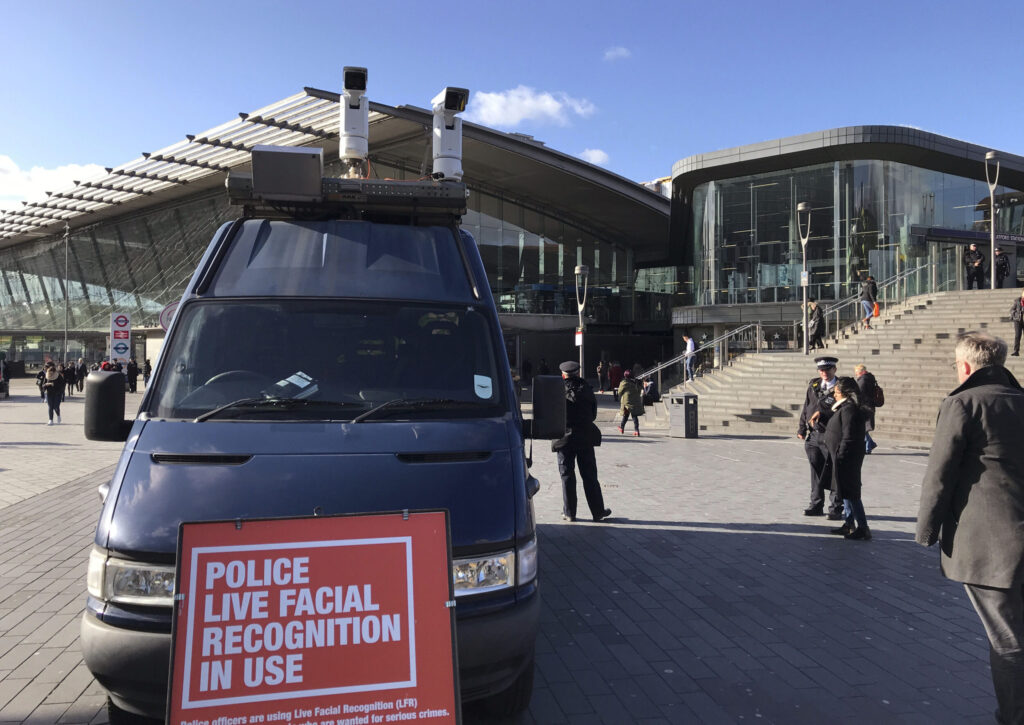
A mobile police facial recognition facility in London, 2020 (Source: Associated Press).
This week, the Home Secretary announced plans to expand the use of the technology nationwide. At the same time, the Metropolitan Police is facing a High Court judicial review over its deployment of live facial recognition.
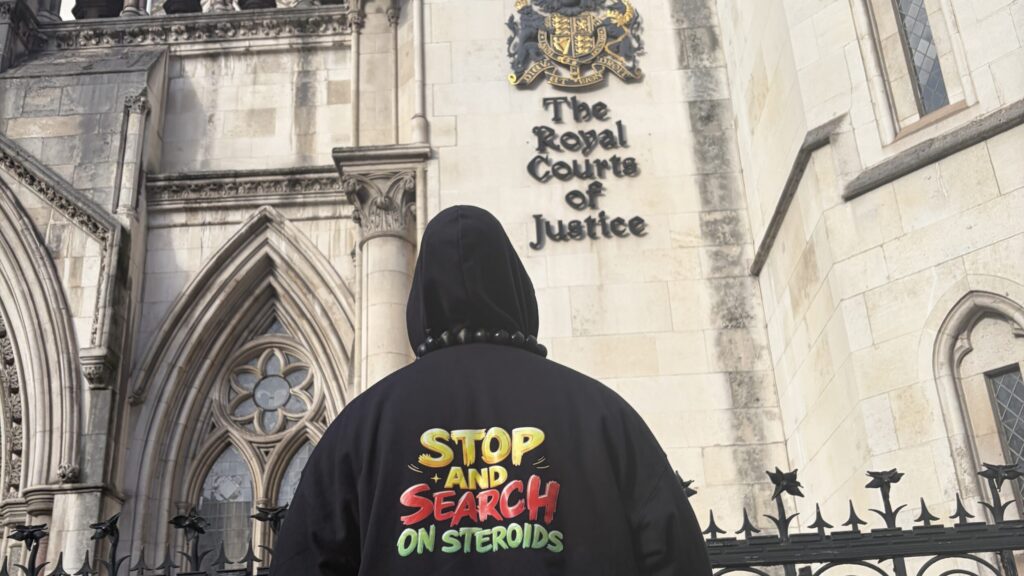
Others however, have raised concerns about its use with Shaun Thompson a claimant in the Judicial review calling it “stop and search on steroids”.
Among the bustle of the West Croydon high street, local shop owners shared their experiences.
Two shopowners who have been on the high street for over 20 years agreed the cameras have had a positive effect, citing a reduction in shoplifting and loitering outside their shops.
“I’ve noticed a change in how people behave,” one said. “It’s been good for business.”
However, when the conversation turned to the details of how the cameras operate or past examples of misidentification, both shopkeepers were less clear.
Further along the street, a café owner and a regular customer echoed the sentiment that the cameras had benefits but were hesitant to discuss them further saying, “We can’t really talk about this properly here…it’s too busy”.
To have the full conversation they said “you’d need to discuss it somewhere more private.”
With cameras already in place, posters marking their presence, police officers walking the streets, and a couple of patrol cars nearby, the presence of policing and live facial recognition is clear.
Less clear, the effect it may be having on the honesty and openness of the conversations – making it harder to understand the true impact of the technology.
This tension reflects the conversation in the High Court case, as Silkie Carlo, a claimant in the case, notes: “The Met’s expansive use of live facial recognition surveillance risks making London feel like a panopticon and treats the general public like suspects in a permanent police line up.”
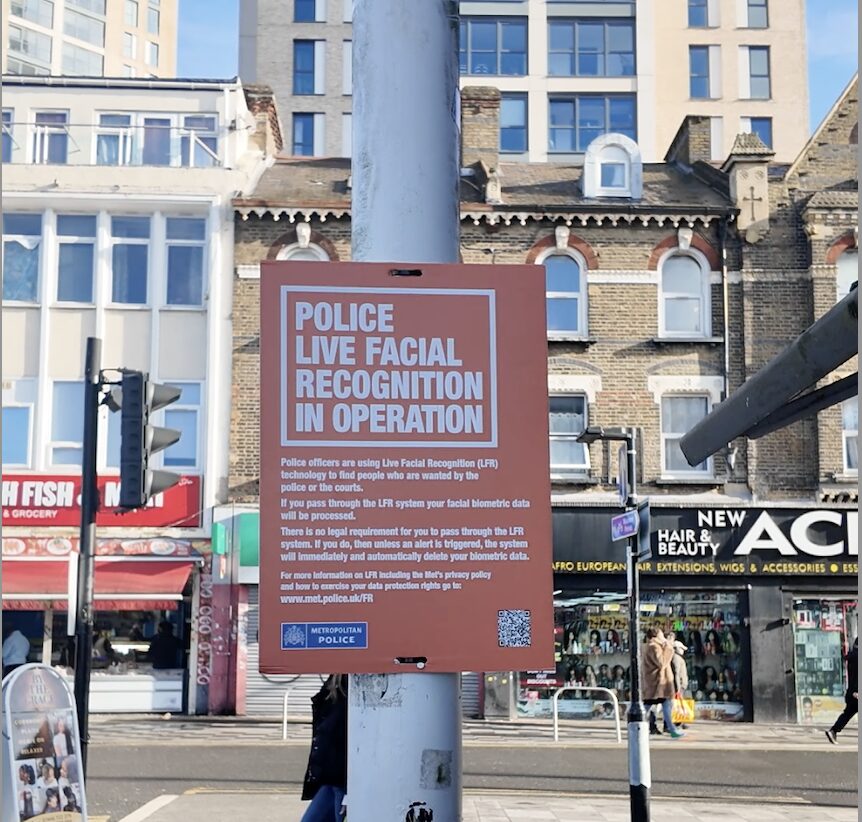
Live facial recognition poster in Croydon, January 2026 (Source: Maya Chandran).
The case, brought by Shaun Thompson, Silkie Carlo of Big Brother Watch, and the Equality and Human Rights Commission, is examining whether the technology is being used lawfully and what impact it may have on human rights – particularly the right to privacy, freedom of expression, and freedom of assembly.
In the UK, the legal framework remains silent. There is currently no legislation that specifically governs live facial recognition.
Its use is guided only by common law and internal police guidance, and the rollout of the technology is occurring before the government’s consultation has been completed.
As the case comes to a close this week, the future use of facial recognition in the UK is in the balance.
Silkie Carlo highlights “this is an opportunity for the court to uphold our democratic rights and instigate much-needed safeguards against intrusive AI-driven surveillance.”
Submitted Article
Headline
Short Headline
Standfirst
Published Article
HeadlineFrom Croydon high street to the High Court: the impact of live facial recognition
Short HeadlineCroydon high street to the High Court: facial recognition in London
StandfirstResidents in Croydon share their experiences of living with permanent facial recognition cameras
As live facial recognition cameras become an increasingly familiar sight on London’s streets, the discussion around them is growing, playing out both in the courts and among local communities.
Croydon, the site of the first pilot scheme, offers a glimpse of how the conversation is shaping up in local communities.
The cameras are deployed along a bustling high street lined with a mix of high street chains, markets, and long-established independent shops.
The technology works by scanning faces in real time, extracting biometric data, and comparing it against police watchlists, which currently contain details on more than 15,000 individuals.
A mobile police facial recognition facility in London, 2020 (Source: Associated Press).
This week, the Home Secretary announced plans to expand the use of the technology nationwide. At the same time, the Metropolitan Police is facing a High Court judicial review over its deployment of live facial recognition.
Others however, have raised concerns about its use with Shaun Thompson a claimant in the Judicial review calling it “stop and search on steroids”.
Among the bustle of the West Croydon high street, local shop owners shared their experiences.
Two shopowners who have been on the high street for over 20 years agreed the cameras have had a positive effect, citing a reduction in shoplifting and loitering outside their shops.
“I’ve noticed a change in how people behave,” one said. “It’s been good for business.”
However, when the conversation turned to the details of how the cameras operate or past examples of misidentification, both shopkeepers were less clear.
Further along the street, a café owner and a regular customer echoed the sentiment that the cameras had benefits but were hesitant to discuss them further saying, “We can’t really talk about this properly here…it’s too busy”.
To have the full conversation they said “you’d need to discuss it somewhere more private.”
With cameras already in place, posters marking their presence, police officers walking the streets, and a couple of patrol cars nearby, the presence of policing and live facial recognition is clear.
Less clear, the effect it may be having on the honesty and openness of the conversations – making it harder to understand the true impact of the technology.
This tension reflects the conversation in the High Court case, as Silkie Carlo, a claimant in the case, notes: “The Met’s expansive use of live facial recognition surveillance risks making London feel like a panopticon and treats the general public like suspects in a permanent police line up.”
Live facial recognition poster in Croydon, January 2026 (Source: Maya Chandran).
The case, brought by Shaun Thompson, Silkie Carlo of Big Brother Watch, and the Equality and Human Rights Commission, is examining whether the technology is being used lawfully and what impact it may have on human rights – particularly the right to privacy, freedom of expression, and freedom of assembly.
In the UK, the legal framework remains silent. There is currently no legislation that specifically governs live facial recognition.
Its use is guided only by common law and internal police guidance, and the rollout of the technology is occurring before the government’s consultation has been completed.
As the case comes to a close this week, the future use of facial recognition in the UK is in the balance.
Silkie Carlo highlights “this is an opportunity for the court to uphold our democratic rights and instigate much-needed safeguards against intrusive AI-driven surveillance.”