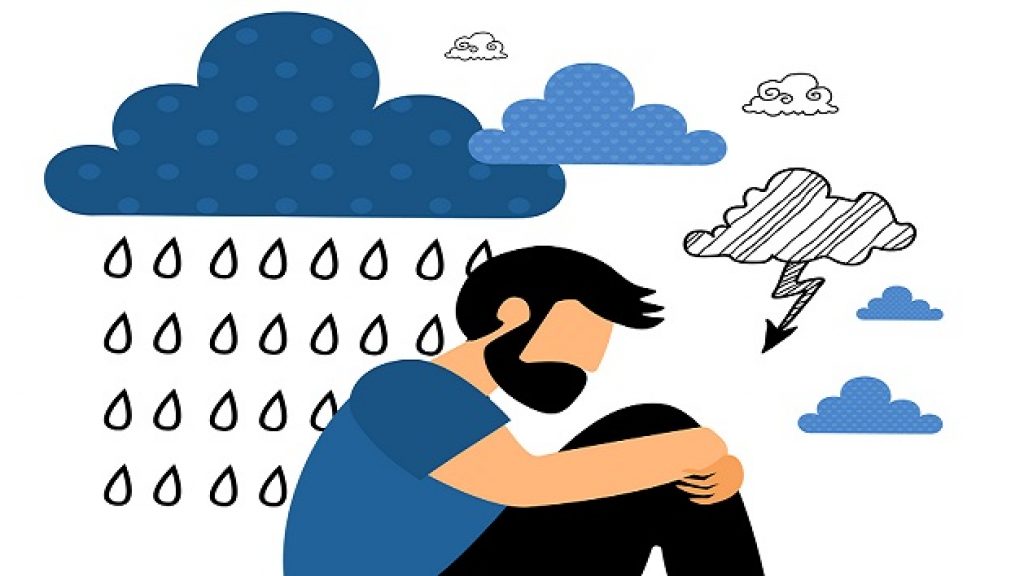
Anywhere between 10-25% of eating disorder cases are male. But, boys and men are regularly overlooked when it comes to research focus and funding. For male eating disorder research to advance, a more diverse approach is needed.
Dr Russell Delderfield, a professor in critical men’s studies and eating disorders at the University of Bradford, is calling for just that.
“We need to dramatically overhaul the medical training in this country, and the negligible amount of training that there is for eating disorders is a prime example of why.
“If you are a primary care physician or a GP – it’s not about blaming those people, but it is, well, what are we doing to help them spot those things? And I don’t think we’re doing enough.”
The statistics
Disordered eating behaviours are nearly as common in men as they are in women. But are less diagnosed because of the ‘feminine illness’ stereotype around them.
Although the rates of anorexia and bulimia are much higher in women, around 40% of binge eating disorder sufferers are male.
A general lack of public awareness of eating disorders in men has prevented men themselves in from being able to recognise their own symptoms. This has delayed them from seeking help.
The stories
City News spoke to three men who suffered with eating disorders. All three of them had no clue that their abnormal eating behaviours were eating disorders until they were told by a healthcare professional or searched their symptoms on the internet.
Tom Pollock suffered with bulimia from the age of 14 and said, “I didn’t know I had bulimia until I was told, but it made a lot of sense when it clicked.
“You don’t see what you’re not told to look out for, and I think that’s one of the areas where me being a guy made a difference – because I didn’t conform in my head to what I thought a bulimic person was like.”
For Dave Chawner who struggled with anorexia, the notion that men could even suffer from it was entirely alien.
“One of the reasons I didn’t realise was that anorexia was one of those things that happened in glossy magazines or on TV, and I was just a fat kid from the Midlands, bumbling along with my life.”
What next?
From the 1980s, there have been decades of research on women’s experiences of eating disorders. However, the same cannot be said about men.
To exclude men from vital research, is holding not only the medical profession back, but men themselves from being able to seek help.
If you are struggling with a eating disorder or think you know someone who is, visit: Beat Eating Disorders or call their helpline on 0808 801 0677.
Submitted Article
Headline
Short Headline
Standfirst
Published Article
HeadlineMale eating disorders and what needs to change
Short HeadlineMale eating disorders
StandfirstAround on third of eating disorder cases are male. So why is medical research overlooking them?
Anywhere between 10-25% of eating disorder cases are male. But, boys and men are regularly overlooked when it comes to research focus and funding. For male eating disorder research to advance, a more diverse approach is needed.
Dr Russell Delderfield, a professor in critical men’s studies and eating disorders at the University of Bradford, is calling for just that.
“We need to dramatically overhaul the medical training in this country, and the negligible amount of training that there is for eating disorders is a prime example of why.
“If you are a primary care physician or a GP – it’s not about blaming those people, but it is, well, what are we doing to help them spot those things? And I don’t think we’re doing enough.”
The statistics
Disordered eating behaviours are nearly as common in men as they are in women. But are less diagnosed because of the ‘feminine illness’ stereotype around them.
Although the rates of anorexia and bulimia are much higher in women, around 40% of binge eating disorder sufferers are male.
A general lack of public awareness of eating disorders in men has prevented men themselves in from being able to recognise their own symptoms. This has delayed them from seeking help.
The stories
City News spoke to three men who suffered with eating disorders. All three of them had no clue that their abnormal eating behaviours were eating disorders until they were told by a healthcare professional or searched their symptoms on the internet.
Tom Pollock suffered with bulimia from the age of 14 and said, “I didn’t know I had bulimia until I was told, but it made a lot of sense when it clicked.
“You don’t see what you’re not told to look out for, and I think that’s one of the areas where me being a guy made a difference – because I didn’t conform in my head to what I thought a bulimic person was like.”
For Dave Chawner who struggled with anorexia, the notion that men could even suffer from it was entirely alien.
“One of the reasons I didn’t realise was that anorexia was one of those things that happened in glossy magazines or on TV, and I was just a fat kid from the Midlands, bumbling along with my life.”
What next?
From the 1980s, there have been decades of research on women’s experiences of eating disorders. However, the same cannot be said about men.
To exclude men from vital research, is holding not only the medical profession back, but men themselves from being able to seek help.
If you are struggling with a eating disorder or think you know someone who is, visit: Beat Eating Disorders or call their helpline on 0808 801 0677.
As e-bike riders weave through London’s busiest junctions, red lights are increasingly treated as optional. One software engineer says the problem may be baked into how hire firms charge users
Deliveroo has announced its sale to U.S. rival DoorDash, but concerns linger over the controversial ‘substitute’ feature at the heart of its operations.
Inside Success Union CIC claim to empower vulnerable young people, but allegations of underpayment and concerns over their fundraising practices are undermining their message.