The government has taken Portugal, one of the UK’s most popular tourist destinations, off the green travel list.
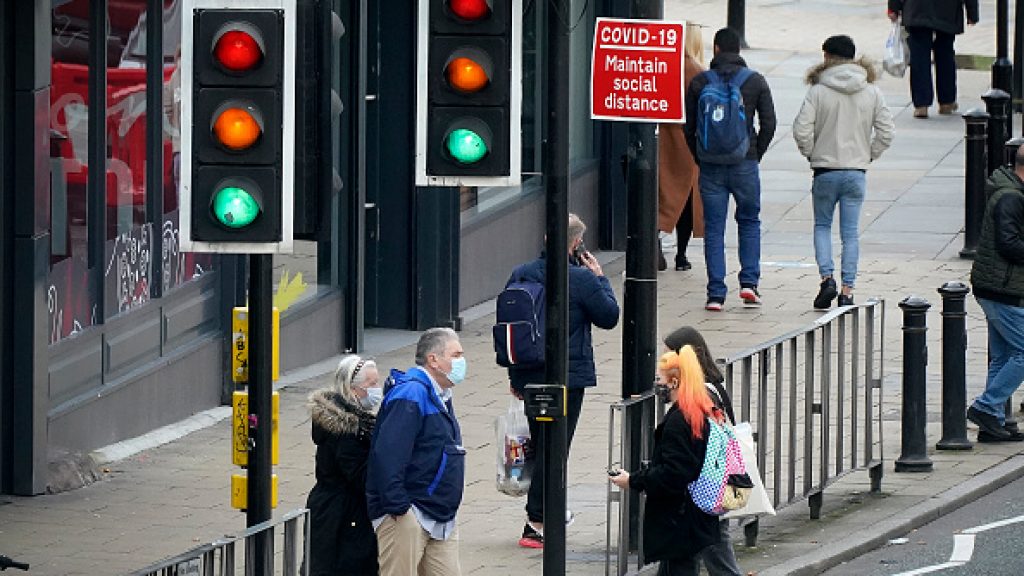
The government’s traffic light travel system puts countries into green, amber and red categories.
What does this mean for travellers leaving and returning to the UK?
Green list
Green list countries require a negative coronavirus test result before travel and a further test upon return. But, you do not need to quarantine when you get back to the UK unless you have test positive for the coronavirus.
You will have to pay for both PCR tests from one of the government’s approved providers. Lateral flow tests are not approved for travel testing.
Amber list
The government advises against travel to countries on the amber list.
Most countries are on the amber list, including popular tourist destinations like France and Greece.
In order to travel to an amber list country, you must have proof of a negative coronavirus test before departure.
You must also book a test on day two and day eight after returning.
Those from amber list countries must also complete 10 days of quarantine.
However, you can end the quarantine early if you use the test-to-release scheme.
Red list
Red list countries are considered the highest risk.
Dozens of countries including Turkey, India and Brazil are on the UK’s red list.
If you have been to a red list country in the last 10 days, you can only enter the UK if you are a British or Irish national or UK resident.
Those returning from a red list country must complete a passenger locator form and self-isolate in a government-approved quarantine hotel for 10 days.
You must also pay for the hotel, which costs £1,750 per adult.
After criticism over arrivals from differently listed countries mixing, a new facility has opened at Heathrow Airport for returning red list passengers.
Submitted Article
Headline
Short Headline
Standfirst
Published Article
HeadlineWhat does the red, amber and green system mean for travel?
Short HeadlineWhat is the government traffic light system?
StandfirstPortugal will now be amber and no new countries will be added to the government's green list.
The government has taken Portugal, one of the UK’s most popular tourist destinations, off the green travel list.
The government’s traffic light travel system puts countries into green, amber and red categories.
What does this mean for travellers leaving and returning to the UK?
Green list
Green list countries require a negative coronavirus test result before travel and a further test upon return. But, you do not need to quarantine when you get back to the UK unless you have test positive for the coronavirus.
You will have to pay for both PCR tests from one of the government’s approved providers. Lateral flow tests are not approved for travel testing.
Amber list
The government advises against travel to countries on the amber list.
Most countries are on the amber list, including popular tourist destinations like France and Greece.
In order to travel to an amber list country, you must have proof of a negative coronavirus test before departure.
You must also book a test on day two and day eight after returning.
Those from amber list countries must also complete 10 days of quarantine.
However, you can end the quarantine early if you use the test-to-release scheme.
Red list
Red list countries are considered the highest risk.
Dozens of countries including Turkey, India and Brazil are on the UK’s red list.
If you have been to a red list country in the last 10 days, you can only enter the UK if you are a British or Irish national or UK resident.
Those returning from a red list country must complete a passenger locator form and self-isolate in a government-approved quarantine hotel for 10 days.
You must also pay for the hotel, which costs £1,750 per adult.
After criticism over arrivals from differently listed countries mixing, a new facility has opened at Heathrow Airport for returning red list passengers.
The Guardian Angels, recognisable by their militant red berets and bomber jackets, returned to New York’s subways at the end of last year following a string of violent attacks.
A 2024 Freedom of Information request showed Bromley Council had £4.5 million invested in arms companies that year with £1.5 million reportedly linked to Israel.
Undercover officers raided three linked shops in Barking town centre, revealing how illicit tobacco is being hidden in walls, ceilings and nearby locations to evade detection.
More than 330,000 people across the UK sought support from the Stop It Now helpline in 2025 over concerns about their own or someone else’s online sexual behaviour towards children, according to new charity data. The anonymous service says contacts by phone, email and webchat rose significantly over the year.