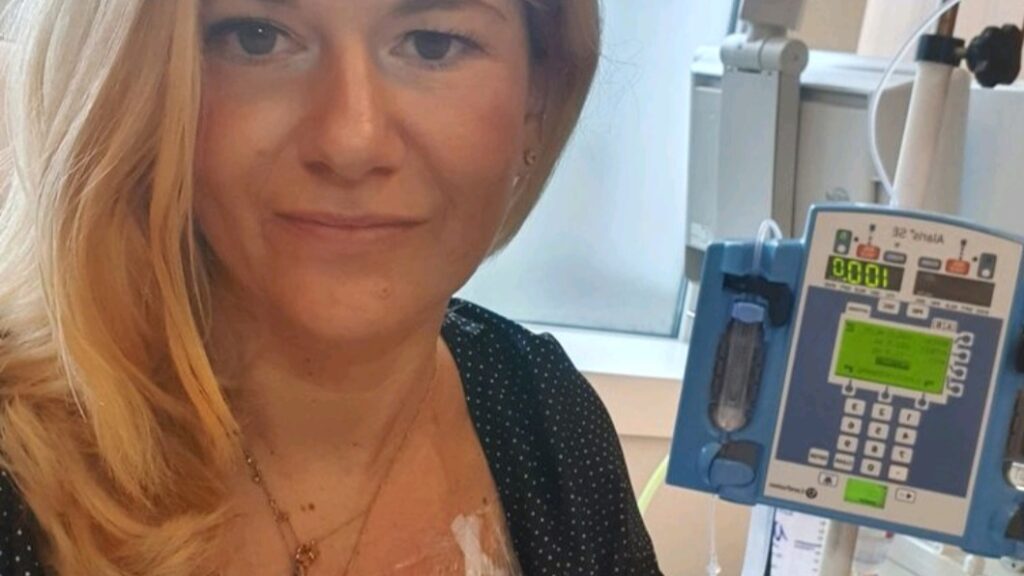
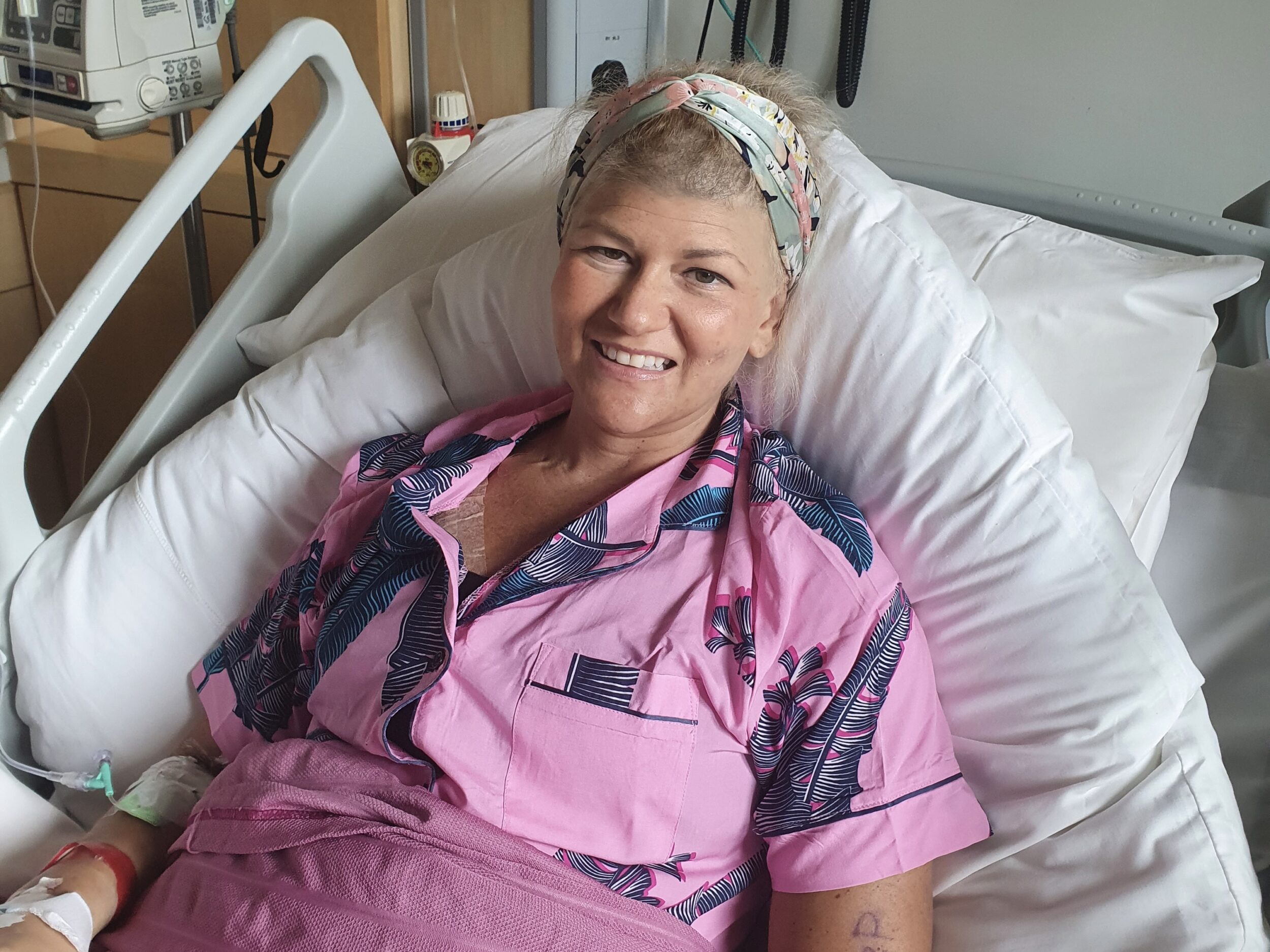
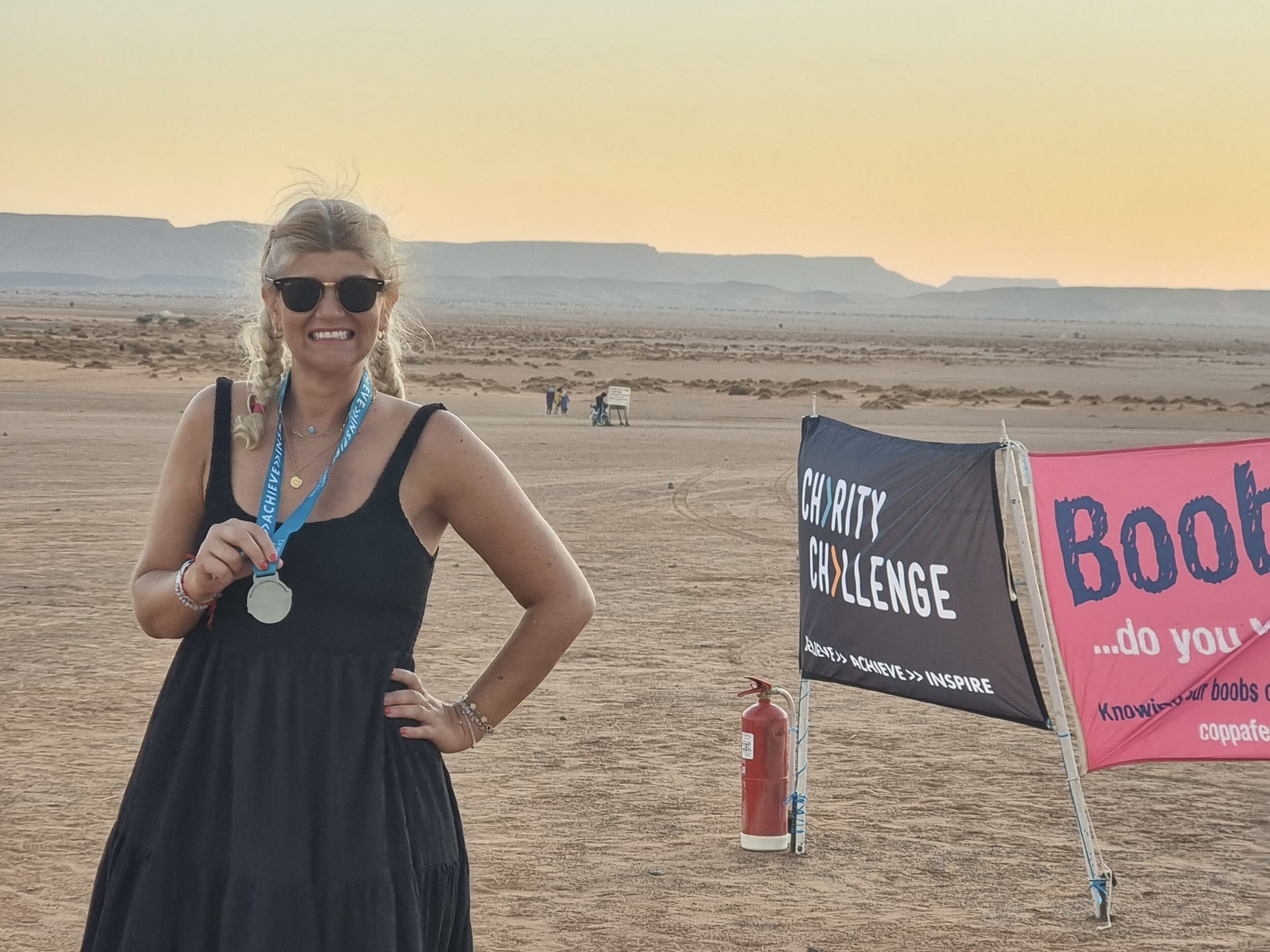
“Early detection saves lives. I am proof of that,” Carly Moosah says, almost five years on from finishing her breast cancer treatment.
The mother of two was 37, well below the eligible NHS screening age, when she noticed a swelling under her armpit. Her family history had made her vigilant. Carly’s mother and grandmother had both died of secondary, metastatic breast cancer.
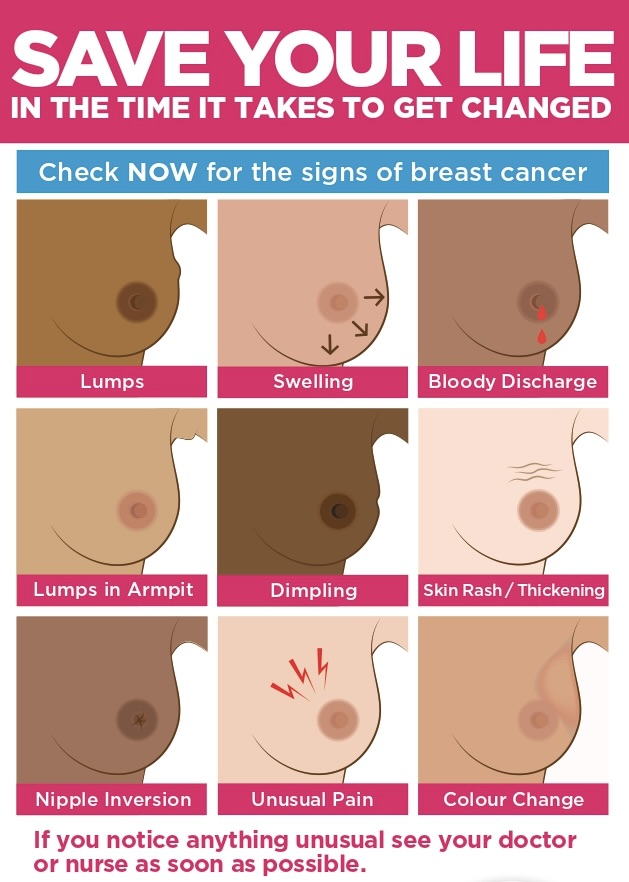
Unlike many other cancer cases, for Carly there was no lump on the breast itself, only the swelling and a niggling pain that prompted her to see the GP.
“If I’d left that swelling and not gone to the GP that day… who knows how things would have been different.”
Credit: Carly Moosah
Carly’s cancer was not detected through the NHS breast screening programme, which invites women aged 50 to 70 to attend a routine screening every three years. Instead, she monitored herself.
Her experience highlights the importance of breast awareness and education, as London continues to record the lowest breast screening uptake in England.
NHS figures show only 62.8% of eligible women in London attended their routine breast screening in 2024, lagging behind the national minimum target of 70%. London has consistently missed this goal for the past 25 years.
For first invites only, the uptake is even as low as 55.6%, with some regions seeing fewer than half attending their appointment.
At a recent London Assembly Health committee meeting, experts raised concerns about the main barriers responsible for this shortfall: frequent moves and missed invitation letters, language barriers, difficulty scheduling appointments around work but also socioeconomic factors and cultural background.
Jackie Wright, Lead Breast Cancer Clinical Nurse Specialist at the charity Future Dreams, says she has seen these challenges first-hand.
“I’ve had very similar conversations with women who came in… they said: I don’t have any family history, so I didn’t think it would happen to me. And there’s communities where cancer is not spoken about. The idea of going to a screening is really foreign to them.”
Low attendance can delay diagnosis, potentially leading to more complex treatment or a worse prognosis. Awareness of what to look out for is vital. Carly’s case shows the impact on all ages, not just for those eligible for routine screening.
Credit: Future Dreams
Awareness at All Ages
In recent years, Jackie Wright has noticed a considerable increase in breast cancer cases among younger women: “When I started my career twenty-something years ago, seeing somebody in their twenties and thirties was rare.
“Now seeing somebody below the age of forty is so common.’’
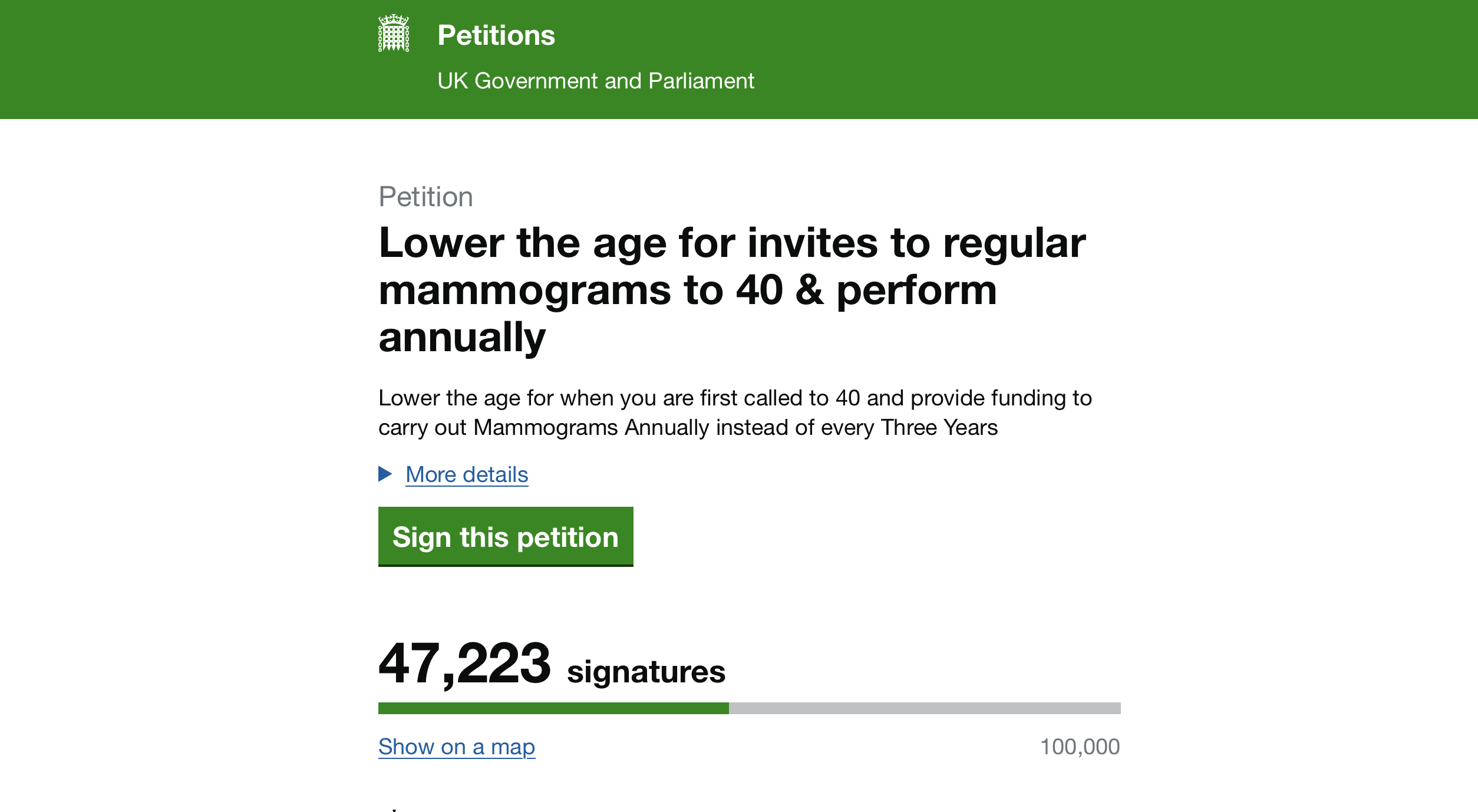
A major petition calling for the screening age to be lowered to forty, with annual mammograms, has gained traction online. But Jackie Wright says the issue is complex:
“We need resources to cope with the demand. The government would have to provide extra funding. It’s not just mammogram machines. It’s radiologists, the mammographers and breast care nurses to support the diagnosis. It’s long beyond just having a mammogram.’’
At the time of writing, the petition has gathered nearly 50,000 signatures, halfway to the 100,000 needed to be considered for debate in Parliament. Carly’s is one of them.
Catching It Early
In her own work Carly focuses heavily on the importance of awareness:
“The main thing that I always try to get across is that you need to be checking yourself regularly, up to your collarbone and under your armpits. My sign was swelling under the armpits. We all seem to know about the pea-sized lump, but there was no pea-sized lump with my breast cancer.’’
The signs can be different from person to person, therefore it is crucial to know your own ‘normal’, Carly says. This way, you can react when something doesn’t seem right. “We have to not be so scared of the thought it might be cancer,’’ she says, “but more empowered by the fact that if it is going to be a cancer diagnosis, you’re catching it early.”
However, she also acknowledges the human side and recognises that putting off appointments is something many people do:
Credit: Carly Moosah
“I really understand it. Life is busy. But just think about that feeling once you’ve done it, that relief you’ll feel, knowing you’ve just been an active participant in your own health. I think we need to approach these things with kindness.’’
Health professionals like Jackie Wright continue to stress that knowing what is normal for your own body and acting on changes at any age can be lifesaving. Monthly self-checks, awareness of family history and open conversations with a GP can catch potential problems, sometimes long before formal screening begins.
For Carly, being aware of her body and taking matters into her own hands made all the difference.
The UK Government’s upcoming NHS Cancer Plan is due on 4th of February and is expected to address these screening challenges.
Submitted Article
Headline
Short Headline
Standfirst
Published Article
Headline“Early Breast Cancer Detection Saves Lives.” So why is screening uptake so low?
Short HeadlineLondon's Breast Screening Rate Lowest in England
StandfirstEarly detection saved Carly Moosah's life - But London's breast screening rates remain lowest in the country
“Early detection saves lives. I am proof of that,” Carly Moosah says, almost five years on from finishing her breast cancer treatment.
The mother of two was 37, well below the eligible NHS screening age, when she noticed a swelling under her armpit. Her family history had made her vigilant. Carly’s mother and grandmother had both died of secondary, metastatic breast cancer.
Unlike many other cancer cases, for Carly there was no lump on the breast itself, only the swelling and a niggling pain that prompted her to see the GP.
“If I’d left that swelling and not gone to the GP that day… who knows how things would have been different.”
Credit: Carly Moosah
Carly’s cancer was not detected through the NHS breast screening programme, which invites women aged 50 to 70 to attend a routine screening every three years. Instead, she monitored herself.
Her experience highlights the importance of breast awareness and education, as London continues to record the lowest breast screening uptake in England.
NHS figures show only 62.8% of eligible women in London attended their routine breast screening in 2024, lagging behind the national minimum target of 70%. London has consistently missed this goal for the past 25 years.
For first invites only, the uptake is even as low as 55.6%, with some regions seeing fewer than half attending their appointment.
At a recent London Assembly Health committee meeting, experts raised concerns about the main barriers responsible for this shortfall: frequent moves and missed invitation letters, language barriers, difficulty scheduling appointments around work but also socioeconomic factors and cultural background.
Jackie Wright, Lead Breast Cancer Clinical Nurse Specialist at the charity Future Dreams, says she has seen these challenges first-hand.
“I’ve had very similar conversations with women who came in… they said: I don’t have any family history, so I didn’t think it would happen to me. And there’s communities where cancer is not spoken about. The idea of going to a screening is really foreign to them.”
Low attendance can delay diagnosis, potentially leading to more complex treatment or a worse prognosis. Awareness of what to look out for is vital. Carly’s case shows the impact on all ages, not just for those eligible for routine screening.
Credit: Future Dreams
Awareness at All Ages
In recent years, Jackie Wright has noticed a considerable increase in breast cancer cases among younger women: “When I started my career twenty-something years ago, seeing somebody in their twenties and thirties was rare.
“Now seeing somebody below the age of forty is so common.’’
A major petition calling for the screening age to be lowered to forty, with annual mammograms, has gained traction online. But Jackie Wright says the issue is complex:
“We need resources to cope with the demand. The government would have to provide extra funding. It’s not just mammogram machines. It’s radiologists, the mammographers and breast care nurses to support the diagnosis. It’s long beyond just having a mammogram.’’
At the time of writing, the petition has gathered nearly 50,000 signatures, halfway to the 100,000 needed to be considered for debate in Parliament. Carly’s is one of them.
Catching It Early
In her own work Carly focuses heavily on the importance of awareness:
“The main thing that I always try to get across is that you need to be checking yourself regularly, up to your collarbone and under your armpits. My sign was swelling under the armpits. We all seem to know about the pea-sized lump, but there was no pea-sized lump with my breast cancer.’’
The signs can be different from person to person, therefore it is crucial to know your own ‘normal’, Carly says. This way, you can react when something doesn’t seem right. “We have to not be so scared of the thought it might be cancer,’’ she says, “but more empowered by the fact that if it is going to be a cancer diagnosis, you’re catching it early.”
However, she also acknowledges the human side and recognises that putting off appointments is something many people do:
Credit: Carly Moosah
“I really understand it. Life is busy. But just think about that feeling once you’ve done it, that relief you’ll feel, knowing you’ve just been an active participant in your own health. I think we need to approach these things with kindness.’’
Health professionals like Jackie Wright continue to stress that knowing what is normal for your own body and acting on changes at any age can be lifesaving. Monthly self-checks, awareness of family history and open conversations with a GP can catch potential problems, sometimes long before formal screening begins.
For Carly, being aware of her body and taking matters into her own hands made all the difference.
The UK Government’s upcoming NHS Cancer Plan is due on 4th of February and is expected to address these screening challenges.
A 2024 Freedom of Information request showed Bromley Council had £4.5 million invested in arms companies that year with £1.5 million reportedly linked to Israel.
Undercover officers raided three linked shops in Barking town centre, revealing how illicit tobacco is being hidden in walls, ceilings and nearby locations to evade detection.
More than 330,000 people across the UK sought support from the Stop It Now helpline in 2025 over concerns about their own or someone else’s online sexual behaviour towards children, according to new charity data. The anonymous service says contacts by phone, email and webchat rose significantly over the year.