Why is ‘Celtic’ Cuisine the Latest in the long line of London Food Trends?
As St David's Day approaches and the first Welsh cafe opens in London, Celtic cooking is gaining more attention in the capital, but what's causing the popularity
With St David’s Day around the corner, Celtic food in London is stepping into the spotlight.
The Irish have always had a strong presence in the capital, but restaurants such as Daffodil Mulligan and Myrtle, and stalls like Emerald Eats, are pushing contemporary Irish cooking and deli culture forward.
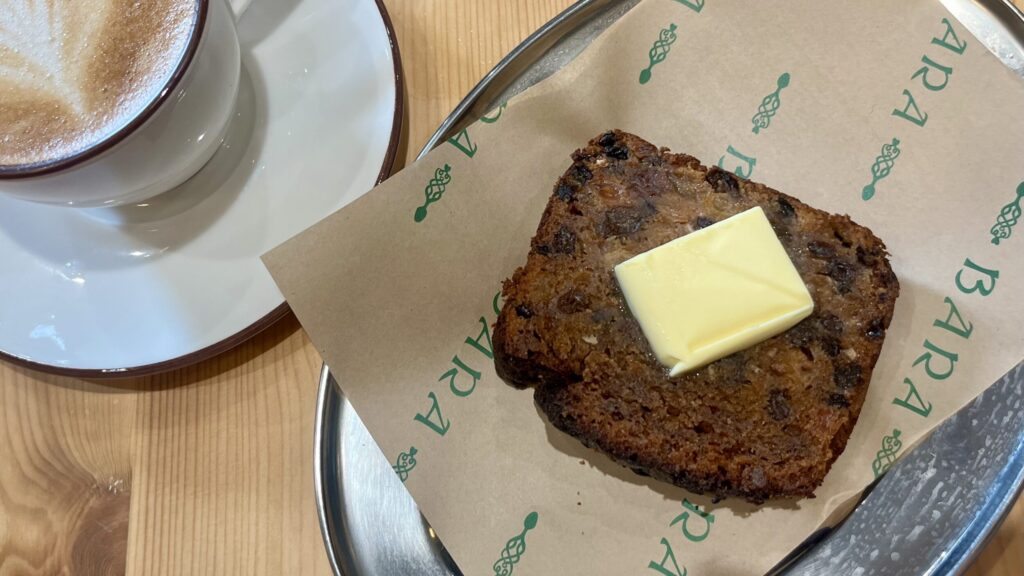
Scottish food has also been gaining ground, with cafés like Deeney’s and Auld Hag building devoted followings. In Peckham, London’s first Welsh bakery, Bara, opened earlier this month, serving bara brith and Swansea breakfasts.
London-based Welsh chef Delyth Griffiths said this rise is being driven by several factors coming together at once.
“The appetite for hyperlocal, regional, provenance-led cooking has never been stronger, and Celtic food fits perfectly into that conversation. Welsh salt marsh lamb, Scottish seafood, Irish dairy — these are world-class ingredients that chefs and food lovers are waking up to.”
She added: “The Welsh language is having a real revival, Scottish and Irish culture has global reach through music, TV and sport, and food is a natural part of that pride reasserting itself. When a nation starts feeling confident about its identity, the food follows.”
Emma Moran, owner of Emerald Eats, a mobile food truck selling Irish deli staples such as spice bags and chicken fillet rolls, also sees this as part of a wider cultural trend in the city.
“I think Irish things in general have a great spotlight on them at the moment, especially Guinness, Kerrygold and music,” she said. “So I think Irish food has definitely been included in the mix. I have seen a lot more spice bags and chicken fillet rolls popping up as well over the last year, which is brilliant.”
Others have found more are searching for a sense of community alongside their food, one that London can often lack. Places such as Maggie’s Cafe in Lewisham, often described as the home of Irish cooking in the area, have been serving traditional Irish breakfasts since 1983. Oliver Khondoker, whose parents founded the café to recreate Irish hospitality for Londoners acknowledged how “the difference now is that people want to come and recreate that experience.”
Similarly, for Carol Deeney, founder of London’s ‘Home of Macbeth’ cafes, Deeney’s, hospitality is again central to the popularity of their haggis cheese toasties. “The secret to our success has been that the brand also embodies Scottish hospitality, so we’re always warm, friendly and welcoming,” she said. “Scottish and Irish hospitality is definitely worldwide known and its nice to be able to bring that to London where its not as prolific”.
Critics say the idea of Celtic cuisine as a “trend” risks simplifying a more complex reality. Welsh journalist Rhys Thomas argues that these foods and influences have long shaped London’s restaurant scene, pointing to Tomos Parry, the man behind Michelin-starred Brat in East London or former chef director of renowned St John restaurant. He told City News that while he acknowledges that new openings “serve community for those who have left home”, he is wary of the narrative becoming tokenistic.
“It’s always been there, people have always loved these things,” he said. “It’s good they are now getting attention, but I’d rather they truly got it and didn’t just enjoy the novelty.”
Cafés, bakeries and food trucks such as Deeney’s, Bara and Emerald Eats are becoming a staple of the London food scene as they offer a taste of home to those who grew up with this cuisine, and a community for those who didn’t.
This is a developing story, we will bring you more details as they come. Please refresh the page to update.
HeadlineWhy is ‘Celtic’ Cuisine the Latest in the long line of London Food Trends?
Short HeadlineWhy is 'Celtic' Cuisine Trending?
StandfirstAs St David's Day approaches and the first Welsh cafe opens in London, Celtic cooking is gaining more attention in the capital, but what's causing the popularity
With St David’s Day around the corner, Celtic food in London is stepping into the spotlight.
The Irish have always had a strong presence in the capital, but restaurants such as Daffodil Mulligan and Myrtle, and stalls like Emerald Eats, are pushing contemporary Irish cooking and deli culture forward.
Scottish food has also been gaining ground, with cafés like Deeney’s and Auld Hag building devoted followings. In Peckham, London’s first Welsh bakery, Bara, opened earlier this month, serving bara brith and Swansea breakfasts.
London-based Welsh chef Delyth Griffiths said this rise is being driven by several factors coming together at once.
“The appetite for hyperlocal, regional, provenance-led cooking has never been stronger, and Celtic food fits perfectly into that conversation. Welsh salt marsh lamb, Scottish seafood, Irish dairy — these are world-class ingredients that chefs and food lovers are waking up to.”
She added: “The Welsh language is having a real revival, Scottish and Irish culture has global reach through music, TV and sport, and food is a natural part of that pride reasserting itself. When a nation starts feeling confident about its identity, the food follows.”
Emma Moran, owner of Emerald Eats, a mobile food truck selling Irish deli staples such as spice bags and chicken fillet rolls, also sees this as part of a wider cultural trend in the city.
“I think Irish things in general have a great spotlight on them at the moment, especially Guinness, Kerrygold and music,” she said. “So I think Irish food has definitely been included in the mix. I have seen a lot more spice bags and chicken fillet rolls popping up as well over the last year, which is brilliant.”
Others have found more are searching for a sense of community alongside their food, one that London can often lack. Places such as Maggie’s Cafe in Lewisham, often described as the home of Irish cooking in the area, have been serving traditional Irish breakfasts since 1983. Oliver Khondoker, whose parents founded the café to recreate Irish hospitality for Londoners acknowledged how “the difference now is that people want to come and recreate that experience.”
Similarly, for Carol Deeney, founder of London’s ‘Home of Macbeth’ cafes, Deeney’s, hospitality is again central to the popularity of their haggis cheese toasties. “The secret to our success has been that the brand also embodies Scottish hospitality, so we’re always warm, friendly and welcoming,” she said. “Scottish and Irish hospitality is definitely worldwide known and its nice to be able to bring that to London where its not as prolific”.
Critics say the idea of Celtic cuisine as a “trend” risks simplifying a more complex reality. Welsh journalist Rhys Thomas argues that these foods and influences have long shaped London’s restaurant scene, pointing to Tomos Parry, the man behind Michelin-starred Brat in East London or former chef director of renowned St John restaurant. He told City News that while he acknowledges that new openings “serve community for those who have left home”, he is wary of the narrative becoming tokenistic.
“It’s always been there, people have always loved these things,” he said. “It’s good they are now getting attention, but I’d rather they truly got it and didn’t just enjoy the novelty.”
Cafés, bakeries and food trucks such as Deeney’s, Bara and Emerald Eats are becoming a staple of the London food scene as they offer a taste of home to those who grew up with this cuisine, and a community for those who didn’t.
As the weather turns, City News has spoken to a long-term rough sleeper to see how those on the street feel about Andy Burnham’s plan to end homelessness and the upcoming winter.