Natasha Leslie and Malin Hamilton-Backer for CityNews.
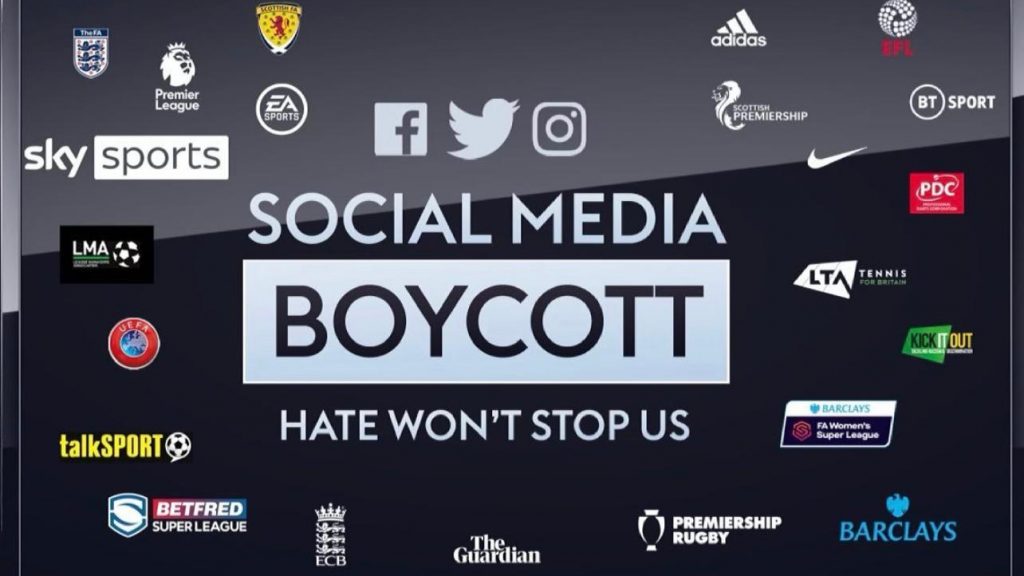
A social media boycott took place from 30 April to 3 May 2021, to raise awareness for online discrimination footballer's receive.
SHARE:
Women in football have been frequently targeted through online social media abuse, across the UK.
The simplicity of like, comment and post, has allowed footballers to engage with fans through a simple click.
But this has often led to negative interactions with “keyboard warriors” online.
City News spoke with women in football, who have experienced online abuse and seen others experience it too.
Aston Villa player Anita Asante, fantasy Premier League journalist Anita Jones, and sports psychologist Jodine Williams all shared their experiences.
Anita Asante said she received comments like, “get back in the kitchen, make me a sandwich.”
Although online abuse has long existed in the men’s game, it has become increasingly visible in the women’s game.
Calls on social media sites to do more
Many believe social media sites, such as Twitter, Facebook and Instagram, should be doing more to root out online abuse.
Women’s football correspondent for The Telegraph Tom Garry said, “[social media] organisations should be doing more…”
“,,, such as checking algorithms and [ID] verification for anonymous accounts.”
From 30 April to 3 May 2021, women in football, football clubs and football organisations all joined together in a social media boycott.
The aim was to spread awareness of the ongoing social media abuse footballers receive.
The pandemic increased online abuse
During the Covid-19 pandemic, many people stayed home and used social media to stay entertained.
To engage with football, many had to watch games on TV, phones and tablets.
Sports psychologist, Jodine Williams said, “people during the pandemic became bored and used social media as an outlet to share abuse”.
Social media isn’t all negative
There are many positives to social media and how it allows people to engage and connect.
It also allows additional exposure for women in football and the women’s game.
Tom Garry said that “in the modern world, young girls can now dream of being professional footballers or journalists because of the exposure”.
He added, “social media allows people to engage with the love for the sport… showing a real growth in excitement in [women’s football]”.
Speaking about the positive side of social media, Anita Jones said, “during the #MeToo movement, people were able to stay anonymous and share their stories”.
She adds, “this wouldn’t be possible without the anonymity that social media provides”.
Submitted Article
Headline
Short Headline
Standfirst
Published Article
Headline‘Get back in the kitchen’: Women in football targeted by online abuse
Short HeadlineOnline abuse targets women in football
StandfirstFemale footballers and journalists have been subjected to extreme social media abuse in the forms of sexism and racial discrimination.
Women in football have been frequently targeted through online social media abuse, across the UK.
The simplicity of like, comment and post, has allowed footballers to engage with fans through a simple click.
But this has often led to negative interactions with “keyboard warriors” online.
City News spoke with women in football, who have experienced online abuse and seen others experience it too.
Aston Villa player Anita Asante, fantasy Premier League journalist Anita Jones, and sports psychologist Jodine Williams all shared their experiences.
Anita Asante said she received comments like, “get back in the kitchen, make me a sandwich.”
Although online abuse has long existed in the men’s game, it has become increasingly visible in the women’s game.
Calls on social media sites to do more
Many believe social media sites, such as Twitter, Facebook and Instagram, should be doing more to root out online abuse.
Women’s football correspondent for The Telegraph Tom Garry said, “[social media] organisations should be doing more…”
“,,, such as checking algorithms and [ID] verification for anonymous accounts.”
From 30 April to 3 May 2021, women in football, football clubs and football organisations all joined together in a social media boycott.
The aim was to spread awareness of the ongoing social media abuse footballers receive.
The pandemic increased online abuse
During the Covid-19 pandemic, many people stayed home and used social media to stay entertained.
To engage with football, many had to watch games on TV, phones and tablets.
Sports psychologist, Jodine Williams said, “people during the pandemic became bored and used social media as an outlet to share abuse”.
Social media isn’t all negative
There are many positives to social media and how it allows people to engage and connect.
It also allows additional exposure for women in football and the women’s game.
Tom Garry said that “in the modern world, young girls can now dream of being professional footballers or journalists because of the exposure”.
He added, “social media allows people to engage with the love for the sport… showing a real growth in excitement in [women’s football]”.
Speaking about the positive side of social media, Anita Jones said, “during the #MeToo movement, people were able to stay anonymous and share their stories”.
She adds, “this wouldn’t be possible without the anonymity that social media provides”.
As e-bike riders weave through London’s busiest junctions, red lights are increasingly treated as optional. One software engineer says the problem may be baked into how hire firms charge users