Is £34,000 a year enough to survive in London? And what if that salary comes from one of the city’s most prestigious cultural institutions?
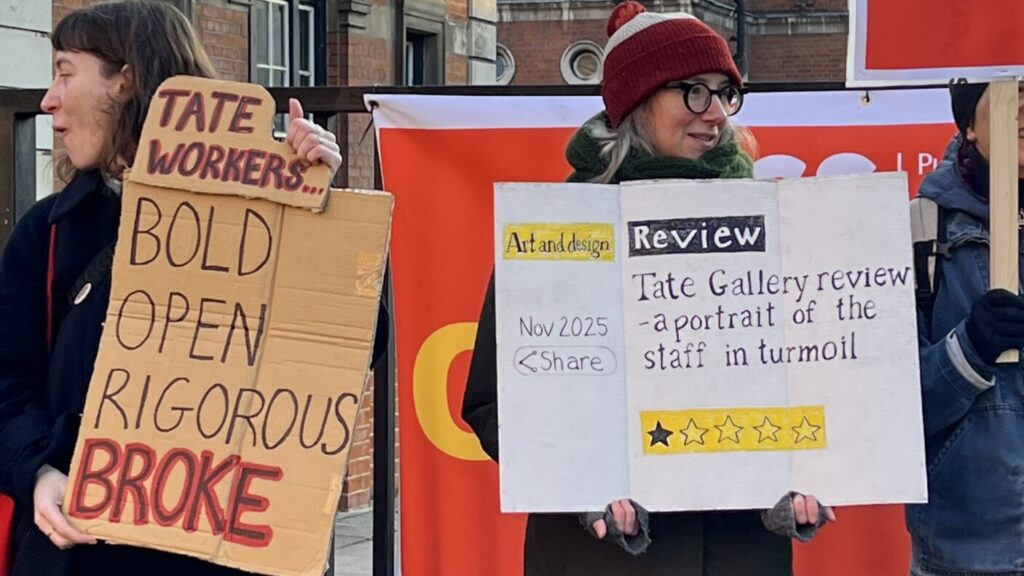
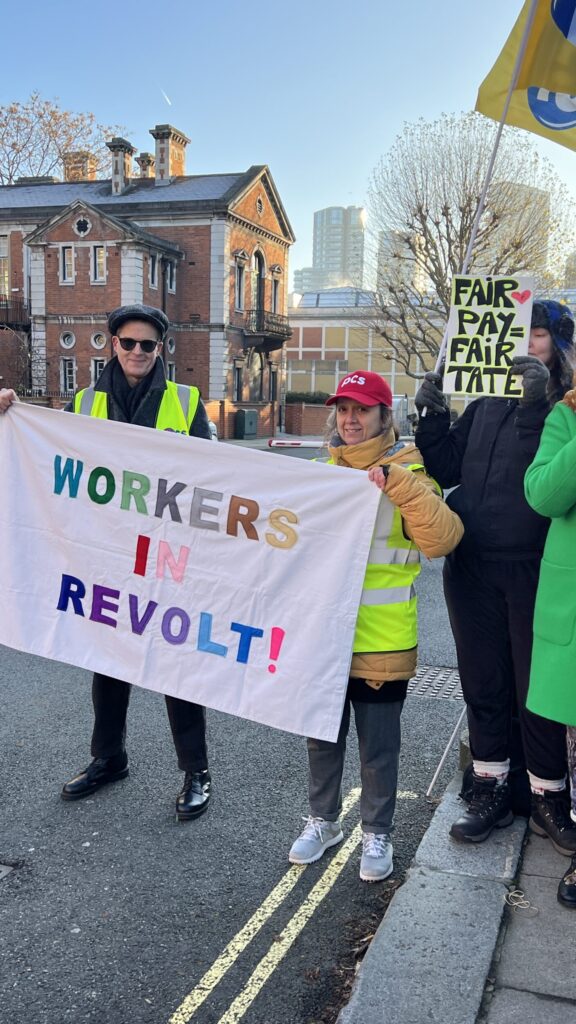
Tate workers are striking from the 26th of November to the 2nd of December, protesting low pay, working conditions, and the rising cost of living.
The action follows recent strikes at the British Library, pointing to wider pressure across London’s cultural sector.
Culture, media, and sport receive just 0.36 percent of total government spending in the UK, leaving major institutions like Tate navigating tight budgets year-on-year.
Tate says it has made careful savings to invest in staff pay while maintaining financial stability. It has offered a 3 percent pay rise for most roles, while directors, among Tate’s highest-paid staff, will receive no increase.
However, Tate’s top earners are reportedly paid between £220,000 and £225,000.
Representatives from PCS Union argue that pay rises over the past two years have been below inflation and have disproportionately affected lower-paid and front-facing staff, such as visitor services and gallery assistants.
They say this has led to financial strain for some employees.
Tate states that it is only by creating and maintaining a sustainable financial model that it can continue to invest in its staff long-term.
Submitted Article
Headline
Short Headline
Standfirst
Published Article
HeadlineTate Workers Strike Reveals Pay Gap Between Staff and Top Earners
Short HeadlineTate Staff Strike Highlights Pay Gap
StandfirstTate strike questions whether a median salary of £34,000 is sufficient to live in London, while top earners make over £220,000.
Is £34,000 a year enough to survive in London? And what if that salary comes from one of the city’s most prestigious cultural institutions?
Tate workers are striking from the 26th of November to the 2nd of December, protesting low pay, working conditions, and the rising cost of living.
The action follows recent strikes at the British Library, pointing to wider pressure across London’s cultural sector.
Culture, media, and sport receive just 0.36 percent of total government spending in the UK, leaving major institutions like Tate navigating tight budgets year-on-year.
Tate says it has made careful savings to invest in staff pay while maintaining financial stability. It has offered a 3 percent pay rise for most roles, while directors, among Tate’s highest-paid staff, will receive no increase.
However, Tate’s top earners are reportedly paid between £220,000 and £225,000.
Representatives from PCS Union argue that pay rises over the past two years have been below inflation and have disproportionately affected lower-paid and front-facing staff, such as visitor services and gallery assistants.
They say this has led to financial strain for some employees.
Tate states that it is only by creating and maintaining a sustainable financial model that it can continue to invest in its staff long-term.
City news has spoken to a long-term rough sleeper to see how those on the street feel about the Andy Burham’s plan to end homelessness and the upcoming winter.